
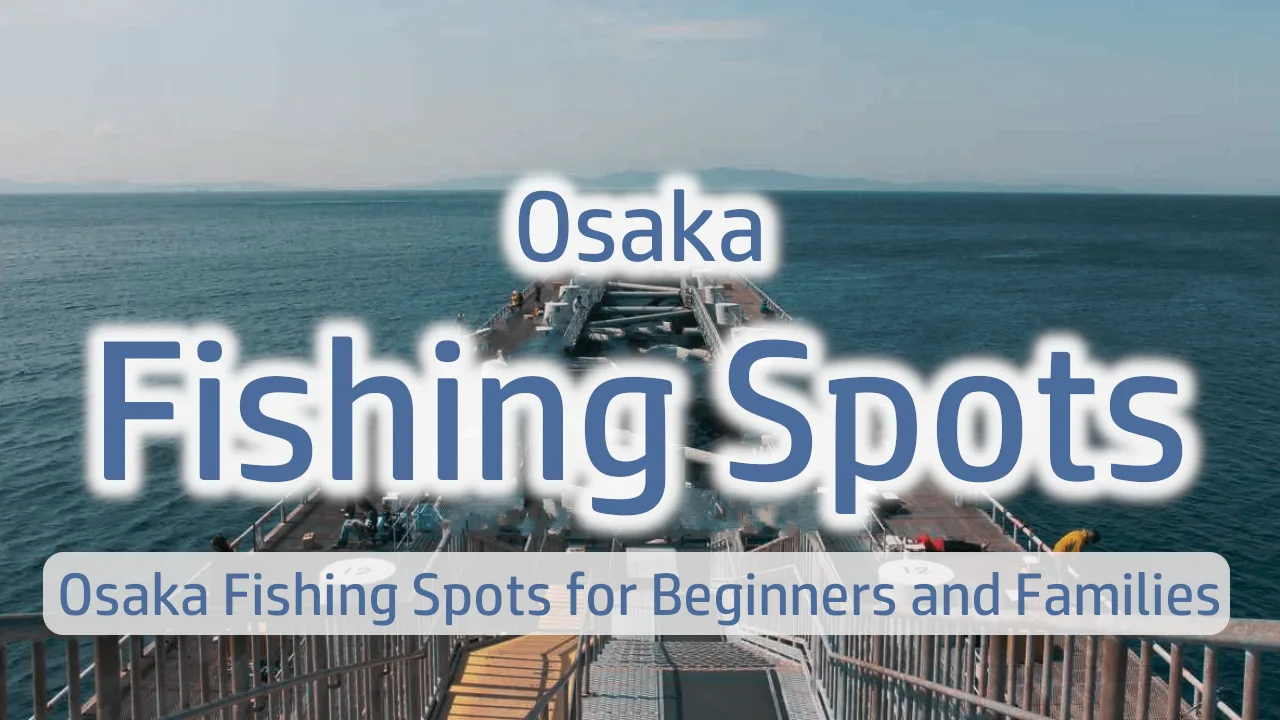
Picture yourself casting a line into the shimmering waters of Osaka Bay as the morning sun rises over the city skyline. Within an hour of downtown Osaka, you can experience the thrill of reeling in fresh sea bream, mackerel, or even octopus, all while enjoying facilities that rival any urban recreational space. From accessible waterfront parks to mountain stream retreats, Osaka offers an impressive variety of fishing locations that cater to everyone from curious first-timers to seasoned anglers seeking their next big catch.
Understanding the Barriers to Urban Fishing
Many aspiring anglers face significant obstacles when trying to start fishing, particularly in urban environments. The lack of proper facilities creates genuine safety concerns, especially for families with children. Unprotected waterfront areas can be dangerous, and the absence of basic amenities like restrooms and parking makes extended fishing trips impractical for many visitors.
Equipment requirements present another major hurdle. Traditional fishing demands rods, reels, tackle boxes, bait, and knowledge of how to set up complex rigs. For someone who has never fished before, the initial investment in gear and the learning curve can feel overwhelming. Many potential enthusiasts abandon the idea before ever making their first cast, deterred by these practical and financial barriers.
Weather unpredictability compounds these challenges. Osaka experiences hot, humid summers and occasional rain throughout the year. Without covered areas or shelter, anglers often cut trips short or avoid fishing altogether during less favorable conditions. This unpredictability makes planning difficult, particularly for families traveling from central Osaka who want assurance that their outing will be worthwhile.
Why Osaka Stands Out for Accessible Fishing
Osaka has systematically addressed these traditional fishing barriers through thoughtful urban planning and public investment in recreational facilities. The prefecture operates multiple fishing parks along Osaka Bay where safety fencing, paved walkways, and designated fishing areas provide secure environments for all skill levels. These parks maintain their accessibility through free or minimal entrance fees, democratizing an activity that often requires expensive equipment or boat access in other regions.
The city’s commitment to beginner-friendly fishing extends to equipment rental programs at several major venues. Visitors can arrive empty-handed and leave with fresh catches, making spontaneous fishing trips entirely feasible. This infrastructure supports Osaka’s broader cultural emphasis on outdoor recreation and family activities, positioning fishing as an accessible leisure pursuit rather than a specialized hobby requiring extensive preparation.
Geographic advantages further enhance Osaka’s fishing appeal. The prefecture borders Osaka Bay to the west, providing saltwater fishing opportunities, while mountainous regions to the east and north offer pristine stream fishing. This diversity means anglers can choose between marine species like sea bream and mackerel or freshwater trout, all within reasonable travel distance from the city center. Public transportation connections make many fishing spots accessible without a car, unusual for quality fishing destinations.
Understanding Japan’s Fishing Rights and Legal Requirements
Before fishing anywhere in Japan, understanding the legal framework governing recreational fishing is essential. Japan’s fishing industry operates under a complex system of fishing rights that protect commercial fisheries and ensure sustainable resource management. Violating these regulations, even unknowingly, can result in serious legal consequences.
Fishing Rights Law in Japan
Japan’s Fisheries Act establishes a system of exclusive fishing rights called “gyogyoken” (漁業権). These rights grant designated fishing cooperatives exclusive authority to harvest specific species within defined coastal and freshwater areas. The system serves two primary purposes: protecting the livelihoods of professional fishers and preventing overharvesting of marine resources.
Three types of fishing rights exist under Japanese law. Common fishing rights (kyodo gyogyoken) cover most coastal areas and protect shellfish, seaweed, octopus, and other bottom-dwelling species. Set-net fishing rights (teichi gyogyoken) reserve specific locations for commercial fishing operations. Demarcated fishing rights (kukaku gyogyoken) protect aquaculture areas where fish, shellfish, or seaweed are cultivated.
For recreational anglers, common fishing rights present the most significant restrictions. In Osaka Prefecture, these rights extend from Izumisano City southward to the Wakayama border, covering coastal waters from the shoreline out to one or two kilometers offshore. Within these protected zones, harvesting specific species without authorization constitutes illegal fishing regardless of the harvester’s intent or the quantity taken.
Osaka’s Protected Species and Penalties
Osaka Prefecture’s fishing rights protect octopus, turban shells, sea urchins, clams, mussels, wakame seaweed, abalone, sea cucumber, spiny lobster, limpets, barnacles, oysters, and various seaweed species. The specific protected species vary by location within the prefecture’s fishing rights zones. Crucially, octopus is a protected species throughout the fishing rights zones, meaning recreational anglers cannot keep octopus caught in these areas—any octopus accidentally caught must be immediately released.
Taking any of these species from protected waters, even for personal consumption or recreational purposes, violates the Fisheries Act and carries a penalty of up to one million yen (approximately $7,000 USD) under Article 195 of the Act. The law makes no distinction between commercial poaching and recreational harvesting—both constitute fishing rights violations subject to prosecution.
The 2018 revision of the Fisheries Act introduced even more severe penalties for three specific species. Abalone, sea cucumber, and glass eels (urchin fry) are now classified as “specified aquatic animals and plants.” Harvesting these species anywhere in Japan without proper authorization, whether inside or outside fishing rights zones, carries penalties of up to three years imprisonment or fines up to 30 million yen (approximately $200,000 USD)—among the harshest penalties in Japanese law for individual offenses.
Furthermore, anyone who transports, stores, acquires, or facilitates the sale of these three species knowing they were illegally harvested faces identical penalties. This provision aims to disrupt organized poaching operations by criminalizing the entire supply chain.
River Fishing and Fishing Permits
River fishing in Japan operates under a different system requiring recreational fishing permits called “yugyoken” (遊漁券). Inland water fishing cooperatives manage river fisheries, stock fish, maintain spawning grounds, and regulate harvesting to ensure sustainability. These cooperatives fund their operations primarily through fishing permit sales.
Fishing permit requirements vary by river and region. Most rivers containing ayu (sweetfish), yamame trout, or other game fish require permits, while some smaller streams or rivers without active cooperative management may not. Permits come in daily and annual versions, with prices varying by location and target species.
Anglers can purchase permits at designated tackle shops, convenience stores, cooperative offices, or increasingly through smartphone apps that provide digital permits. Fishing without required permits constitutes poaching and can result in police involvement and fines. Cooperative monitors patrol popular fishing areas and check anglers for proper permits.
Unlike coastal fishing rights that completely prohibit harvesting protected species, river fishing permits grant temporary legal access to harvest fish within specified regulations. These regulations typically include size limits, harvest quotas, seasonal restrictions, and prohibited fishing methods specific to each waterway.
Why Licensed Fishing Facilities Provide Legal Security
The complexity and severity of Japan’s fishing regulations make licensed fishing facilities the safest choice for recreational anglers, particularly international visitors unfamiliar with local laws. Municipal fishing parks like Kaitsuri Koen Totto Park Kojima and Nanko Uotsuri-en Gogan operate under special permits that allow recreational fishing without violating fishing rights. These facilities either exist outside fishing rights zones or have obtained cooperative agreements with fishing rights holders.
Similarly, managed freshwater fishing areas like Chihayagawa Masu Tsuriba and Aigawa Ryusenkyo operate under proper authorization from relevant fishing cooperatives. Visitors to these facilities fish legally by paying admission fees, which cover the facility’s obligations to fishing rights holders and regulatory compliance costs.
Licensed facilities also ensure anglers fish in areas where all target species are legal to harvest. Staff can provide guidance on regulations, eliminating the risk of accidentally violating species restrictions or harvest limits. For tourists who cannot easily research Japanese fishing laws or read regulatory signage in Japanese, these facilities provide essential legal protection.
The peace of mind provided by licensed facilities justifies their fees many times over. A day’s admission to a fishing park costs far less than even the minimum penalties for fishing rights violations, and infinitely less than the maximum penalties for harvesting protected species. Beyond financial considerations, avoiding legal trouble allows visitors to enjoy their time in Japan without the stress of police investigations, court appearances, or criminal records that could affect future travel.
Premier Fishing Parks: Safe and Family-Friendly Facilities
Kaitsuri Koen Totto Park Kojima: Osaka’s Flagship Fishing Experience
Located at the southern tip of Osaka Prefecture in Misaki Town, Kaitsuri Koen Totto Park Kojima represents one of the Kansai region’s finest fishing parks. The facility cleverly repurposed a loading pier originally constructed for the Kansai International Airport land reclamation project, transforming industrial infrastructure into a 600-meter fishing deck extending into Osaka Bay. This engineering approach created exceptional fishing conditions while minimizing environmental impact.
The park’s location provides stunning ocean vistas, with Awaji Island visible across the water on clear days. Even non-fishing visitors appreciate the viewing deck, which offers panoramic seascapes free of charge. For anglers, the extended pier structure accesses deeper waters where larger species congregate, including sea bream, black porgy, horse mackerel, and seasonal visitors like squid during summer months, and yellowtail during autumn and winter.
Safety features include covered fishing areas that provide shade during summer and protection from light rain, extending fishing hours regardless of weather conditions. While safety railings are installed, parents must remain vigilant and maintain constant supervision of children near the water. The on-site shop sells bait and basic tackle, eliminating the need to locate specialized fishing stores before arrival.
Access requires taking the Nankai Electric Railway to Tanagawa Station, then transferring to a community bus. The combination of train and bus provides reliable public transportation access for car-free visitors.
| Item | Details |
|---|---|
| Facility Name | Kaitsuri Koen Totto Park Kojima (海釣り公園とっとパーク小島) |
| Address | 455-1 Tanagawa Koshima, Misaki Town, Sennan District, Osaka |
| Hours | March–November: 6:00–20:00<br>December–February: 7:00–18:00 |
| Closed | Fridays (open on holidays), December 31–January 2 |
| Access | From Nankai Tanagawa Line Tanagawa Station, take community bus to Totto Park Kojima stop |
| Phone | 072-447-5126 |
Admission
| Category | Regular | After 3:00 PM |
|---|---|---|
| Adult | 1,500 yen | 1,000 yen |
| Child | 750 yen | 500 yen |
Nanko Uotsuri-en Gogan: Osaka’s Free Urban Fishing Paradise
Positioned at the western edge of Osaka’s Nanko South Port, Nanko Uotsuri-en Gogan holds the distinction of being Osaka Prefecture’s only municipal sea fishing park. Its proximity to central Osaka makes it the most accessible serious fishing venue for city residents, reachable by the New Tram transit system combined with local bus service from central locations.
The 612-meter seawall fishing area accommodates approximately 400 anglers simultaneously, with safety railings installed along the entire perimeter. However, constant parental supervision remains absolutely essential when children are present, as water poses inherent dangers regardless of safety measures. The facility includes a shop offering tackle rentals and bait sales, enabling complete beginners to start fishing without prior equipment purchases.
Seasonal fish populations vary significantly. From late spring through autumn, sardines, horse mackerel, and mackerel school in large numbers, providing excellent opportunities for sabiki rig fishing. Summer brings opportunities for various species, while autumn and winter see hairtail and juvenile yellowtail. Year-round residents include black porgy and sea bass, with occasional catches of black sea bream, relatively rare in Osaka Bay.
The park’s most compelling feature is zero admission cost. Visitors pay only for equipment rentals or bait if needed, making this one of the most economical fishing experiences available in any major Japanese city. Weekend fishing instructors provide free guidance to beginners, creating an educational environment where newcomers can learn proper techniques while enjoying their first fishing experience.
| Item | Details |
|---|---|
| Facility Name | Nanko Uotsuri-en Gogan (南港魚つり園護岸) |
| Address | 6-9-3 Nanko Minami, Suminoe Ward, Osaka City, Osaka |
| Hours | April–November: 5:00–19:00<br>December–March: 7:00–17:00 |
| Closed | Wednesdays (open on holidays), New Year holidays |
| Access | From New Tram Ferry Terminal Station, take bus to Nanko Minami 6-chome, walk immediately |
| Admission | Free |
| Phone | 06-6612-2020 |
Sennan Satoumi Koen: Multi-Use Coastal Recreation Area
Sennan Satoumi Koen in Misaki Town functions as a comprehensive marine recreation facility operated by Osaka Prefecture. While primarily known for swimming and clam digging during summer, the park transforms into a productive fishing spot during other seasons when swimming areas close.
The facility’s jetties and rocky areas provide diverse fishing environments. Autumn through early winter proves particularly productive for surf casting, with flounder, sole, and surfperch common catches. The breakwater structure creates habitat for bottom-dwelling species, and hole fishing around rocks regularly produces rockfish and greenling.
Park infrastructure includes parking, restrooms, and vending machines, supporting full-day family outings. Fishing access is free during non-swimming seasons, making this an economical option for anglers seeking variety beyond traditional fishing parks. The natural coastal environment provides a different experience from managed fishing facilities, appealing to those who prefer less structured settings.
| Item | Details |
|---|---|
| Facility Name | Sennan Satoumi Koen (せんなん里海公園) |
| Address | 999 Tannowa, Misaki Town, Sennan District, Osaka |
| Hours | 8:30–17:00 |
| Access | 15-minute walk from Nankai Main Line Tannowa Station |
| Fishing Access | Free |
| Phone | 072-494-2626 |
Open Coastal Areas for Experienced Anglers
Fukaki Ko: Convenient Access Meets Diverse Fishing
Fukaki Ko in Misaki Town combines excellent rail access with varied fishing environments, located just five minutes on foot from Fukaki Port Station on the Nankai Electric Railway. The port’s layout divides into three distinct fishing zones: the inner harbor area, and the red and white lighthouse breakwaters extending seaward.
Important Legal Notice: Fukaki Ko is located within Osaka Prefecture’s fishing rights zone (south of Izumisano City). While fishing from the port’s breakwaters is permitted, octopus is a protected species in this area. Any octopus accidentally caught must be immediately released alive. Keeping octopus from this location violates fishing rights and carries penalties up to one million yen.
Inner harbor waters remain calmer and feature stable footing, making this section accessible for anglers of all experience levels. However, regardless of conditions, children require constant adult supervision throughout any fishing activity. The outer breakwaters attract more experienced anglers pursuing larger species like black porgy and black sea bream, with fishing pressure and skill requirements increasing as you move toward the lighthouse ends.
Multiple fishing techniques work effectively here. Sabiki rigs catch baitfish and small mackerel near the surface, float rigs target mid-water species like porgy, and shore jigging from the breakwaters can connect with hairtail and juvenile yellowtail during their seasonal runs. Autumn through winter sees peak activity for hairtail fishing enthusiasts. A tackle shop operates near the port entrance, providing convenient access to replacement tackle and fresh bait.
Access by rail is straightforward: Fukaki Ko sits just five minutes on foot from Fukaki Port Station on the Nankai Electric Railway, making this one of the most transit-accessible fishing spots in the area.
| Item | Details |
|---|---|
| Facility Name | Fukaki Ko (深日港) |
| Address | Fukaki, Misaki Town, Sennan District, Osaka |
| Access | 5-minute walk from Nankai Fukaki Port Station |
| Access Fee | Free |
Kaizuka Jinko-to: Year-Round Productivity
The man-made island in Kaizuka City’s Nishiki Minami-cho provides consistent fishing throughout the year and benefits from proximity to the Hanshin Expressway Bayshore Route’s Kaizuka Interchange. This accessibility makes it particularly popular on weekends, when anglers arrive from across the Kansai region.
Target species include sea bass, black porgy, and Spanish mackerel among the migratory fish populations, while tetrapod sections harbor rockfish, greenling, and longtooth grouper. Autumn and winter attract large numbers of hairtail anglers who often fish through the night. The extended shoreline provides ample space for multiple anglers, though some sections feature uneven footing requiring extra caution.
Visitors must respect clearly marked restricted areas and maintain cleanliness by removing all trash. These public spaces depend on responsible use to remain accessible, and negative impacts from littering or trespassing jeopardize continued public access for all anglers.
| Item | Details |
|---|---|
| Facility Name | Kaizuka Jinko-to (貝塚人工島) |
| Address | Nishiki Minami-cho, Nishiki Naka-cho, Kaizuka City, Osaka |
| Access | Approximately 5 minutes from Hanshin Expressway Bayshore Route Kaizuka Interchange |
| Access Fee | Free |
Shiomi Futo: Harbor Fishing with Multiple Access Points
Shiomi Futo in Izumiotsu City occupies a working harbor area where cargo and work vessels move regularly. The wharf area contains three distinct fishing points, each offering different conditions and species opportunities, making this a versatile destination suitable for various skill levels.
Black porgy, black sea bream, and sea bass provide year-round action, while sabiki fishing produces horse mackerel, mackerel, and sardines during migratory seasons. Occasional runs of larger pelagic species including juvenile yellowtail, adult yellowtail, and Spanish mackerel create exciting possibilities for anglers equipped for bigger fish. Autumn particularly attracts hairtail specialists to this productive area.
The Osaka Rinkai Line provides public transportation access, and parking is available though the lot closes from 8:00 PM to 5:00 AM. Anglers planning evening or night fishing sessions must arrange alternative transportation or plan departure before the parking area closure.
| Item | Details |
|---|---|
| Facility Name | Shiomi Futo (汐見埠頭) |
| Address | 106 Shiomi-cho, Izumiotsu City, Osaka |
| Access | Approximately 10 minutes from Hanshin Expressway Bayshore Route Izumiotsu Interchange |
| Access Fee | Free |
Tarui Gyoko: Scenic Coastal Fishing
Tarui Gyoko in Sennan City adjoins Tarui Southern Beach, creating an attractive waterfront setting for fishing activities. The fishing area divides between the inner harbor and an outer breakwater, each section supporting different fishing approaches and target species.
Important Legal Notice: Tarui Gyoko is located within Osaka Prefecture’s fishing rights zone. Octopus and other shellfish species are protected in this area and must be released if accidentally caught. Only finfish species without fishing rights restrictions may be kept.
The inner harbor features stable footing suitable for families practicing sabiki fishing, with horse mackerel and sardines common from autumn through spring. The breakwater’s tetrapod placement creates structure for shore jigging targeting hairtail, and surf casting from the breakwater can produce flounder and sole. The port’s reputation for spectacular sunsets attracts non-fishing visitors, particularly during evening hours.
Adjacent commercial facilities including a shopping center and hot spring bath make Tarui Gyoko appealing for group outings where some participants fish while others pursue alternative activities. This flexibility accommodates diverse interests within a single location, maximizing enjoyment for everyone in the group.
| Item | Details |
|---|---|
| Facility Name | Tarui Gyoko (樽井漁港) |
| Address | Rinku Minami-hama, Sennan City, Osaka |
| Access | Approximately 20-minute walk from Nankai Tarui Station |
| Access Fee | Free |
Natural Coastline: Nagamatsu Kaigan
Nagamatsu Kaigan, commonly known as the area behind former Misaki Park in Misaki Town, stretches approximately 800 meters along a gravel beach with six to eight small jetties extending into the water. The location earned recognition as one of Japan’s top 100 sunset viewing spots, offering scenic beauty alongside fishing opportunities. Roadside parking along the beach front allows convenient vehicle access.
Important Legal Notice: Nagamatsu Kaigan is located within Osaka Prefecture’s fishing rights zone. Octopus, shellfish species, and seaweed are protected and cannot be harvested. Any protected species accidentally caught must be immediately released. Only finfish without fishing rights restrictions may be kept.
Surf casting and light tackle casting dominate fishing methods here, with flatfish, flounder, greenling, and filefish representing common catches. Spring through early summer brings opportunities for bigfin reef squid and cuttlefish. The area experiences frequent snags on underwater structure, creating challenges for inexperienced anglers, but footing remains relatively stable during calm conditions, making family fishing feasible when waves are minimal.
Though the adjacent Misaki Park closed in 2020, Nagamatsu Kaigan remains fully accessible for fishing. Public restrooms are available, though no formal parking facilities exist, requiring use of roadside spaces. Alternatively, anglers can use the paid parking at nearby Tannowa Fishing Port, though this requires a short walk to reach Nagamatsu Kaigan.
| Item | Details |
|---|---|
| Facility Name | Nagamatsu Kaigan (長松海岸) |
| Address | 3990 Tannowa, Misaki Town, Sennan District, Osaka |
| Access | Approximately 5-minute walk from Nankai Misaki Park Station |
| Access Fee | Free |
Managed Fishing Areas: Guaranteed Catches for Beginners
Mizumo Fishing Center: Dual-Species Freshwater Fishing
Mizumo Fishing Center in Kaizuka City offers a unique fishing experience by combining largemouth bass and carp fishing in a single pond. This unusual arrangement allows lure anglers and bait fishermen to share the same water body, creating a diverse recreational environment rarely found at managed facilities.
The center conducts regular beginner classes and technique improvement workshops, providing educational opportunities for anglers seeking to develop their skills. Bass fishing equipment including rental rods and lure sets is available for purchase, enabling newcomers to try bass fishing without significant upfront investment in specialized gear.
Operating hours run from 7:00 AM to 4:20 PM, with discounted admission available for entries after 11:00 AM. Weekday visits typically encounter lighter crowds, offering more space and a relaxed atmosphere for anglers preferring quieter conditions.
| Item | Details |
|---|---|
| Facility Name | Mizumo Fishing Center |
| Address | 1185 Oji, Kaizuka City, Osaka |
| Hours | 7:00–16:20 |
| Phone | 072-432-7605 |
Admission
| Category | Fee |
|---|---|
| Adult (regular) | 2,200 yen |
| Elementary low grade and under | 1,100 yen |
*Discounts available for entries after 11:00 AM
Okumizuma Athletic Sports: Family Recreation Complex
Okumizuma Athletic Sports in Kaizuka City operates as a comprehensive outdoor recreation facility offering field athletics, stream play, and barbecue areas alongside its fishing opportunities. The on-site mountain stream contains stocked rainbow trout, and anglers can cook their catches on-site for immediate consumption.
Fishing rod sets include the rod, bait, bucket, and float, providing everything needed to start fishing. Additional bait is available for purchase if fish prove difficult to catch, though bringing personal tackle or bait is prohibited to maintain fair conditions for all visitors.
The facility’s family-friendly design creates a safe environment where young children can fish with minimal risk. Combining fishing with athletic course activities and barbecue options enables full-day outings with varied activities, preventing boredom and maximizing entertainment value for family groups.
| Item | Details |
|---|---|
| Facility Name | Okumizuma Athletic Sports |
| Address | 24 Kizumi, Kaizuka City, Osaka |
| Phone | 072-446-1133 |
Fees
| Item | Fee |
|---|---|
| Fishing rod set | 2,000 yen |
*Personal tackle and bait prohibited
Higashi-Osaka Tsuribori Center: All-Weather Indoor Fishing
Higashi-Osaka Tsuribori Center provides year-round fishing in a warehouse-style indoor facility, eliminating weather-related cancellations. The indoor pools stock carp, ornamental carp, and goldfish, with visitors allowed to keep up to five fish free of charge. Unused fish allowances can be exchanged for gift certificates, providing value even when catch-and-release is preferred.
Admission includes tackle rental, making this one of the most accessible fishing experiences for complete beginners. Paid members can store personal rods at the facility, adding convenience for regular visitors.
Seasonal hours vary, with April through October operating 10:00 AM to 7:00 PM, and November through March operating 11:00 AM to 7:00 PM. Weekend and holiday hours start one hour earlier. The facility closes on Tuesdays.
| Item | Details |
|---|---|
| Facility Name | Higashi-Osaka Tsuribori Center (東大阪釣堀センター) |
| Address | 1-8-16 Yoshihara, Higashi-Osaka City, Osaka |
| Hours | April–October: 10:00–19:00<br>November–March: 11:00–19:00<br>*Weekends/holidays open 1 hour earlier |
| Closed | Tuesdays |
| Phone | 072-961-1151 |
Admission
| Item | Fee |
|---|---|
| 1-hour use | 1,500 yen |
Mountain Stream Fishing: Natural Environments
Chihayagawa Masu Tsuriba: Mountain Stream Experience
Chihayagawa Masu Tsuriba operates at approximately 600 meters elevation in Chihaya Akasaka Village, Osaka’s only village municipality. The location within Kongo-Ikoma-Kisen Quasi-National Park provides cool summer temperatures and pristine natural surroundings, making this a popular escape from urban heat.
Four distinct zones accommodate different fishing preferences. The catch-and-keep area allows leisurely fishing with unlimited catches for take-home. Lure and fly-fishing sections cater to artificial lure enthusiasts. Group rental areas support organized outings, and the weight-based fishing area provides quick family-friendly fishing where catches are measured and priced by weight. Despite the natural stream environment, parents must exercise particular caution due to slippery conditions that pose fall risks for children.
All zones offer rental rods, eliminating equipment requirements for visitors. An on-site restaurant prepares caught fish and serves additional river fish dishes, udon, and soba. Barbecue facilities support group cooking activities, enabling full-day mountain retreats combining fishing with outdoor dining.
| Item | Details |
|---|---|
| Facility Name | Chihayagawa Masu Tsuriba (千早川マス釣り場) |
| Address | 1262-4 Chihaya, Chihaya Akasaka Village, Minami Kawachi District, Osaka |
| Hours | 8:30–17:00 |
| Phone | 0721-74-0116 |
| Access | From Nankai Koya Line Kawachinagano Station, take Nankai Bus (bound for ropeway) to Trout Fishing Area stop |
Aigawa Ryusenkyo: Authentic Stream Fishing
Aigawa Ryusenkyo in Ibaraki City provides authentic stream fishing in northern Osaka’s mountainous region. A one-kilometer section of the Aigawa River above Ryusenkyo Gorge is maintained as a fishing area, offering natural stream conditions for anglers seeking traditional mountain stream experiences.
Both yamame trout and rainbow trout are stocked regularly, supporting genuine stream fishing techniques. Female anglers receive discounted admission, encouraging broader participation. The facility operates seasonally from mid-October through early May, closing during summer months.
Access from the Meishin Expressway’s Ibaraki Interchange takes approximately 20 minutes by car, providing reasonable access from the Osaka metropolitan area. This natural setting appeals to anglers who prioritize authentic stream fishing over the convenience of managed facilities.
| Item | Details |
|---|---|
| Facility Name | Aigawa Ryusenkyo (安威川竜仙峡) |
| Address | Kurumatsukuri Ryusenkyo, Ibaraki City, Osaka |
| Hours | 8:00–17:00 |
| Operating Season | Mid-October–early May |
| Phone | 072-649-3636 |
| Access | Approximately 20 minutes from Meishin Ibaraki Interchange |
Admission
| Category | Yamame | Rainbow Trout |
|---|---|---|
| General | 3,500 yen | 3,000 yen |
| Female | 2,500 yen | 2,000 yen |
Essential Preparation for Your Fishing Trip
Sea fishing requires basic tackle including a rod, reel, rigging materials, and bait. Beginners should strongly consider starting at facilities offering equipment rentals, such as Nanko Uotsuri-en Gogan, Chihayagawa Masu Tsuriba, or Okumizuma Athletic Sports. These venues enable complete novices to experience fishing without purchasing specialized equipment, reducing financial barriers and commitment requirements.
Clothing should prioritize comfort and practicality, with sun protection including hats and sunscreen essential for extended outdoor exposure. Summer fishing demands particular attention to hydration and heat prevention, while winter requires appropriate cold-weather layers. Life jacket use is strongly recommended for all waterfront fishing, providing an additional safety layer beyond facility railings.
Beginners benefit from starting at managed facilities or park-style venues where staff provide assistance. Facilities with resident staff can offer guidance on rigging setup and fishing techniques, accelerating the learning process and increasing the likelihood of early success that builds confidence and interest.
Seasonal Fish Species and Prime Fishing Times
Osaka Bay’s marine environments support diverse fish populations varying by season. Spring brings greenling, flounder, and black porgy, with float fishing and surf casting yielding the best results. Late spring through summer sees schooling pelagic fish including horse mackerel, mackerel, and sardines approach shore, creating excellent sabiki fishing opportunities. Summer also brings opportunities for surf-casting targets like surfperch and various seasonal species.
Autumn represents peak fishing season with the broadest species diversity. Hairtail, pelagic species including juvenile yellowtail and adult yellowtail, and bigfin reef squid all become available during this productive period. Mild autumn weather enhances fishing comfort, extending practical fishing hours and improving overall experience quality.
Winter focuses on bottom-dwelling species including greenling and rockfish, along with large black porgy. Though conditions are cooler, winter fishing attracts dedicated anglers pursuing these cold-weather specialists. Managed fishing facilities maintain consistent catches year-round, particularly beneficial for beginners and families seeking predictable results regardless of season.
Fishing Etiquette and Regulations
Responsible fishing practices protect access for all users and maintain environmental health. Trash removal is non-negotiable, with all refuse including used tackle and fishing line requiring proper disposal. Fishing line and rigging pose particular dangers to marine life and birds, necessitating careful collection of all tackle waste.
Restricted and prohibited areas must be respected without exception, and posted facility rules require strict adherence. On crowded piers and seawalls, maintaining appropriate spacing from other anglers prevents tangled lines and maintains a pleasant atmosphere for everyone. When surf casting, always verify that the area behind and beside you is clear before executing your cast.
Night fishing etiquette includes thoughtful light management. Avoid shining headlamps or flashlights toward other anglers’ faces, and use minimal illumination necessary for safety and tackle management. These courtesies maintain positive relationships within the fishing community and ensure continued access to shared resources.
Access and Transportation Options
Public transportation serves several major fishing venues effectively. Nanko Uotsuri-en Gogan connects via New Tram and bus service, supporting car-free day trips from central Osaka. Kaitsuri Koen Totto Park Kojima and Fukaki Ko both have nearby Nankai Electric Railway stations, enabling train-based visits.
Automobile access via the Osaka Bayshore Route and Hanshin Expressway provides 30-minute to one-hour travel times from downtown Osaka to most major fishing locations. Kaizuka Jinko-to and Shiomi Futo benefit from highway proximity, facilitating quick access for vehicle-equipped anglers.
Parking availability varies by location, and operating hours sometimes include closure periods. Always verify parking hours when planning trips extending into evening or night hours, as unexpected closures can create significant logistical challenges.
Nearby Amenities and Combined Activities
Strategic fishing site selection can incorporate additional recreational opportunities. Tarui Gyoko’s adjacent shopping center and hot spring facilities enable fishing combined with shopping and bathing, creating comprehensive day trips that appeal to groups with diverse interests.
Chihayagawa Masu Tsuriba’s proximity to Mount Kongo hiking trails allows combining mountain stream fishing with hiking, maximizing enjoyment of the mountainous natural environment. Okumizuma Athletic Sports integrates barbecue facilities and field athletic courses, transforming fishing into one component of a broader outdoor recreation day.
Locations near convenience stores or tackle shops provide practical advantages. Fukaki Ko’s nearby tackle shop enables quick replacement of lost tackle or supplementation of bait supplies, preventing premature trip endings due to equipment failures.
Basic Fishing Techniques for Beginners
Sabiki fishing represents the most beginner-friendly technique, targeting schooling fish including horse mackerel, mackerel, and sardines. This method uses a rig with multiple small hooks, with ground bait attracting fish to the hooks. Vertical jigging motion entices strikes, and multiple fish often hook simultaneously, creating exciting action ideal for building enthusiasm.
Surf casting targets bottom-dwelling species including surfperch, flounder, and flatfish. Anglers cast weighted rigs into deeper water, then wait for fish to discover the bait on the bottom. Rod tip movements indicate bites, requiring quick hook-setting reactions to secure catches. Tide timing significantly impacts surf casting success, with actively moving tides generally producing better results.
Float fishing pursues mid-water and surface-oriented species including black porgy, black sea bream, and greenling. The float provides visual bite indication, moving when fish take the bait. This technique requires reading current patterns and adjusting depth settings to match fish location, developing skills that improve with experience and observation.
Fish Handling and Transport
Preserving catch quality requires proper handling from the moment fish are landed. Coolers with ice should be prepared before fishing begins, allowing immediate cooling of caught fish to maintain freshness. Ice slurry or ice packs maintain optimal temperatures during extended fishing sessions.
Blood removal improves flavor and reduces unpleasant odors. Insert a knife behind the gills to sever major blood vessels, then rinse the fish in seawater. After blood removal, place fish on ice, ideally wrapped in plastic to prevent direct ice contact that can damage flesh texture.
Several managed facilities offer on-site fish preparation services. Chihayagawa Masu Tsuriba and Okumizuma Athletic Sports will salt-grill caught trout, enabling immediate consumption of ultra-fresh fish. This service provides instant gratification and eliminates the need for home fish processing, appealing particularly to beginners unfamiliar with fish cleaning techniques.
Staying Informed: Checking Current Conditions
Pre-trip research significantly improves fishing success rates and overall experience quality. Many fishing facilities maintain websites and social media accounts publishing recent catch reports, species activity levels, facility status, and crowd conditions. This information helps set realistic expectations and optimize timing for productive trips.
Weather and tide conditions dramatically influence marine fishing success. Meteorological forecasts indicate safe fishing windows, while tide tables identify peak fishing periods. Generally, active tidal movement during the mid-incoming and mid-outgoing phases produces the strongest fish activity, though specific locations may vary.
Local tackle shops often possess detailed, current information about nearby fishing areas. Staff can recommend effective baits, productive techniques, and recently successful locations. Beginners particularly benefit from tackle shop advice, as staff can explain appropriate tackle selections and rigging methods for current conditions.
Year-Round Fishing Calendar
Osaka’s fishing opportunities span all seasons, with each period offering distinct advantages. Spring sees spawning runs of various species approaching shore, increasing black porgy and greenling activity. Moderate temperatures and stable weather make spring particularly approachable for beginners developing their skills.
Summer’s rainy season transitioning to hot weather brings schooling pelagic fish inshore, creating excellent opportunities for simple sabiki fishing that produces high catch numbers. Heat management becomes critical, with early morning and evening sessions providing the most comfortable fishing conditions during peak summer.
Autumn delivers the year’s best fishing diversity, with high fish activity across most species. Large pelagics including yellowtail and hairtail, along with squid species, become accessible to shore anglers. Comfortable temperatures support all-day fishing sessions, maximizing time on the water without weather-related discomfort.
Winter fishing attracts fewer competitors, creating a quiet, contemplative atmosphere. Bottom-dwelling species remain active, and large black porgy become a primary target for dedicated anglers. Cold-weather gear enables comfortable winter fishing, and managed facilities maintain stocked conditions ensuring consistent action regardless of natural fish behavior.
Family Fishing: Creating Successful Experiences
Family fishing requires location selection prioritizing safety and amenities. Park-style facilities like Nanko Uotsuri-en Gogan and Kaitsuri Koen Totto Park Kojima provide safety railings, restrooms, and rest areas supporting extended family visits. Despite safety infrastructure, children require constant, hands-on adult supervision near water, as even protected areas pose drowning risks if children fall or climb over barriers.
Fishing session duration should match children’s attention spans, typically two to three hours for optimal engagement. Simple techniques like sabiki fishing that produce quick results maintain interest better than methods requiring long waits between bites. Achievement feelings from successful catches create positive associations that build long-term interest.
Incorporating non-fishing activities prevents boredom and accommodates varying interests within family groups. Facilities like Okumizuma Athletic Sports combining field athletics and barbecue with fishing enable everyone to enjoy their day regardless of fishing interest or success. This approach recognizes that not all family members may share equal enthusiasm for fishing itself.
Planning Your Japanese Fishing Adventure with Expert Support
Osaka’s diverse fishing environments create opportunities for anglers of all experience levels, but navigating an unfamiliar area in a foreign country presents unique challenges. Language barriers can complicate equipment acquisition, location navigation, and understanding local regulations. Cultural differences in fishing etiquette and facility use may not be immediately obvious to international visitors, potentially leading to unintentional breaches of local customs.
For travelers seeking authentic Japanese fishing experiences without logistical stress, professional tour conductor services provide comprehensive support. These services arrange transportation to optimal fishing locations based on your interests and the current season, handle equipment procurement or rental arrangements, and ensure all necessary permits and facility access are properly managed.
A dedicated tour conductor serves as your cultural liaison and travel coordinator, managing all practical aspects of your itinerary. While tour conductors focus on itinerary management and emergency response rather than providing fishing instruction, they facilitate communication with local fishing guides when needed, arrange food and accommodation, and handle unexpected situations that might otherwise derail your trip. For those combining fishing with other Japanese cultural experiences, tour conductors create seamless itineraries that maximize your limited travel time.
If you’re planning a fishing-focused trip to Japan or want to incorporate fishing into a broader cultural tour, professional tour conductor services can transform a potentially complicated self-planned adventure into a smooth, memorable experience. Rather than spending vacation time researching locations, arranging transportation, and worrying about language barriers, you can focus entirely on enjoying your fishing experience and exploring Japanese culture with expert guidance managing all logistical details.