



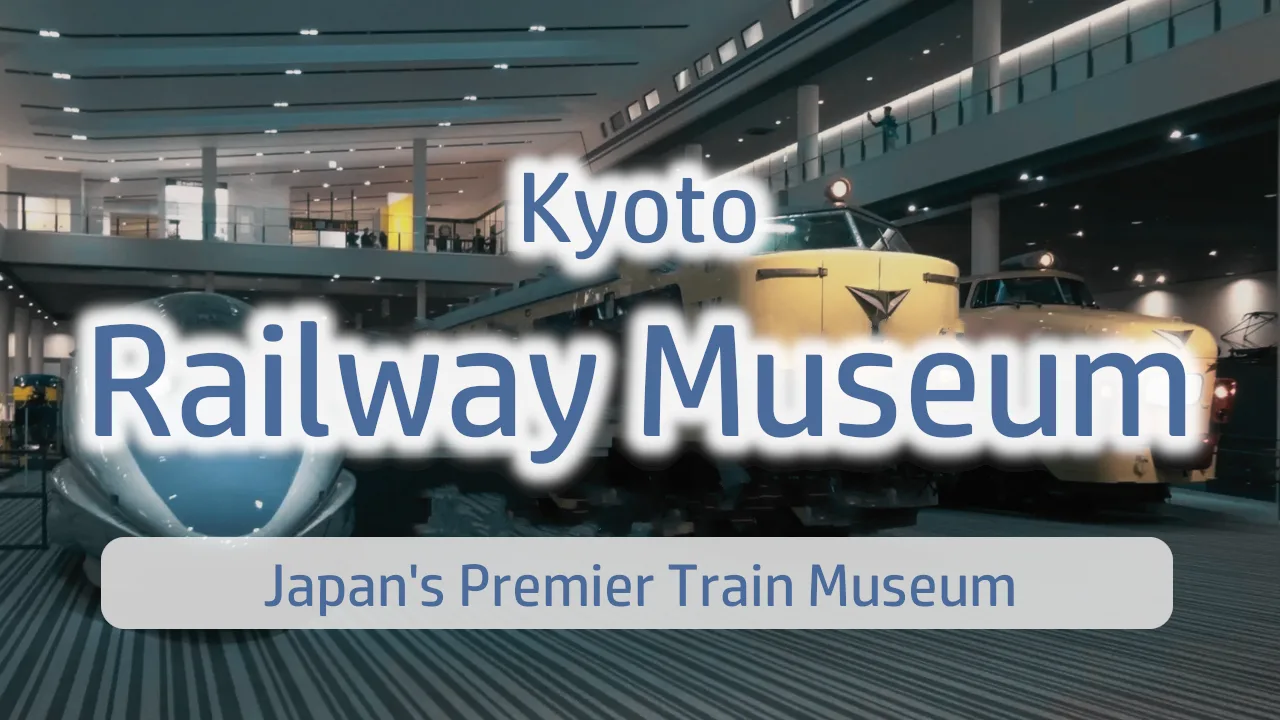
Picture yourself stepping into a world where over 130 years of Japanese railway innovation comes alive through 53 meticulously preserved locomotives, from vintage steam engines to record-breaking bullet trains. The Kyoto Railway Museum offers this remarkable journey through Japan’s transportation heritage, making it one of the country’s most impressive railway attractions.
What You Should Know Before Visiting
While the Kyoto Railway Museum delivers an exceptional experience, understanding a few practical considerations will help you maximize your visit. The museum’s most popular attractions operate on limited schedules that require advance planning.
The train driving simulator represents one of the biggest challenges for visitors. This authentic training simulator, identical to those used by professional conductors, attracts enormous crowds. On weekdays, the museum distributes timed entry tickets on a first-come, first-served basis. However, weekends, national holidays, and school vacation periods see such heavy demand that the museum switches to a lottery system. You might need to enter multiple lottery rounds throughout the day to secure a spot, which can significantly affect your schedule.
The SL Steam train ride, while running daily throughout the year, also requires separate tickets beyond your museum admission. These tickets go on sale when the museum opens, and during peak periods they can sell out within the first hour. The 1-kilometer round-trip journey offers a genuine steam locomotive experience that’s increasingly rare in modern Japan.
Crowds surge during Japanese school holidays, particularly Golden Week, summer vacation, and spring break. The museum’s restaurant experiences the longest waits between 12:00 and 13:30. If you’re visiting during busy periods, consider eating earlier or later to avoid the midday rush.
An Impressive Collection Spanning Railway History
The museum’s exhibition begins the moment you enter the promenade area, where three full-size trains immediately capture your attention. The Series 0 Shinkansen holds special significance as the world’s first high-speed rail vehicle to achieve 200 kilometers per hour in commercial service. Standing beside this pioneering bullet train provides perspective on how Japan revolutionized long-distance travel when this model entered service in 1964.
The main exhibition hall on the first floor showcases an extraordinary range of rolling stock. The Series 500 Shinkansen, with its distinctive elongated nose designed for aerodynamics, once held the Guinness World Record for the fastest train in regular operation at 300 kilometers per hour. The streamlined design represents the pinnacle of 1990s railway engineering, demonstrating how form follows function in high-speed rail development.
Beyond the modern marvels, you’ll find historic limited express trains that connected Japan’s major cities before the Shinkansen era, along with commuter trains that millions of passengers relied on daily. Each vehicle includes detailed information panels, and many allow you to step inside to examine the passenger compartments and technological features of their respective eras.
Interactive Experiences That Bring Railways to Life
The second floor railway diorama spans approximately 300 square meters and features meticulously crafted 1:80 scale model trains navigating through detailed landscapes. A skilled operator controls multiple trains simultaneously, recreating realistic railway operations complete with day-night lighting transitions. The show runs five times daily, with additional performances added during peak seasons. The 15-minute presentations demonstrate complex railway operations, from local commuter services to express trains passing through the miniature landscape.
The museum’s approach extends beyond passive observation. Interactive exhibits throughout the facility let you understand railway operations from multiple perspectives. You can explore the underside of freight locomotives to see their mechanical systems, examine signal equipment that coordinates train movements, and learn about the electrical systems that power modern railways.
The Historic Roundhouse and Steam Locomotives
The fan-shaped engine shed, designated as an Important Cultural Property by the Japanese government, dates to 1914 and represents one of the oldest surviving reinforced concrete railway structures in the country. This architectural achievement houses approximately 20 steam locomotives that span from the Meiji era through the early Showa period.
The operational turntable at the roundhouse center remains functional, and visitors can witness demonstrations of how railway workers historically rotated these massive machines to access different maintenance bays or position them for departure. This mechanism solved a crucial logistical challenge when steam locomotives could only operate efficiently in one direction.
Several locomotives in this collection carry particular historical weight. Some pulled express passenger services connecting major cities, while others hauled freight that supported Japan’s industrial development. The preservation quality allows you to appreciate the craftsmanship that went into building these machines before modern manufacturing techniques existed.
Spectacular Views from Above
The third-floor Sky Terrace provides an elevated vantage point overlooking active JR railway lines. From this observation deck, you can watch Tokaido Shinkansen bullet trains flash past at operating speeds, along with local and express trains serving Kyoto Station. The terrace also offers views extending across Kyoto’s urban landscape, including landmarks such as Kyoto Tower and the Higashiyama mountain range.
For railway enthusiasts and photographers, timing your terrace visit to coincide with peak train operations between 9:00 and 18:00 provides the best opportunity to observe diverse rolling stock. The contrast between the historic locomotives displayed below and the modern trains in active service creates a striking visual representation of railway evolution.
Dining Options and Facilities
The museum restaurant on the second floor serves a variety of dishes ranging from Japanese curry and ramen to Western-style meals and children’s plates. The signature Hayashi rice, shaped and colored to resemble Doctor Yellow (the Shinkansen inspection train), remains the most photographed menu item. The restaurant accommodates approximately 200 guests but fills quickly during lunch hours.
An alternative dining experience awaits in the restored dining car from a Blue Train sleeper service. The museum’s food counter sells railway-themed bento boxes and light meals that you can enjoy while seated in this authentic dining car environment. This option particularly appeals to families who want to combine their meal with a unique atmosphere reminiscent of Japan’s overnight train travel golden age.
The facility includes baby changing stations, nursing rooms, coin lockers of various sizes, and rest areas both indoors and outdoors. Some rest areas occupy converted train cars, providing additional themed spaces to relax between exhibits.
Museum Shop and Souvenirs
The museum shop, housed in the relocated 1904 Nijo Station building at the exit, stocks an extensive range of railway-related merchandise. The selection includes model trains, books, apparel, stationery, and collectibles featuring various JR locomotives and Shinkansen models.
Umetetsu, the museum’s mascot character depicted as a curious young swallow, appears on numerous products from plush toys to confectionery. The train-themed cookies featuring Blue Train headmarks come with collectible pin badges, making them popular purchases among both children and adult collectors.
Limited edition items celebrating seasonal events or new train introductions appear periodically, attracting dedicated collectors who visit specifically to acquire these exclusive products.
Essential Visitor Information
| Item | Details |
|---|---|
| Museum Name | Kyoto Railway Museum |
| Location | Kankijicho, Shimogyo-ku, Kyoto |
| Operating Hours | 10:00 AM – 5:30 PM (Last admission: 5:00 PM) |
| Closed Days | Wednesdays (open on national holidays), December 30 – January 1 |
| Access (Train) | 2-minute walk from Umekoji-Kyotonishi Station (JR Sagano Line) |
| Access (From Kyoto Station) | 20-minute walk or 10-minute bus ride (buses 86, 88, 103, 104, 110 to Umekoji-koen/Kyoto Railway Museum-mae stop) |
| Facilities | Restaurant, café, nursing room, coin lockers, rest areas |
Planning Your Visit Duration
The time you’ll spend at the Kyoto Railway Museum depends largely on your interests and whether you participate in the timed attractions. A basic tour examining the main exhibits typically requires two to three hours. However, if you want to experience the driving simulator, ride the SL Steam train, watch the diorama presentations, and explore the detailed information panels throughout the museum, plan for four to five hours.
Families with young children often spend longer as kids enjoy the interactive elements and hands-on displays designed for their engagement. The museum’s layout allows for flexible pacing, with rest areas positioned strategically where you can take breaks without missing major exhibits.
Making Your Journey Seamless with Professional Support
Navigating Japan’s transportation system and cultural nuances becomes significantly easier with experienced guidance. While the Kyoto Railway Museum itself is straightforward to visit, coordinating it within a broader Kyoto itinerary alongside temples, shrines, and other attractions requires careful planning.
A dedicated tour conductor handles the logistical complexities of your journey, from purchasing appropriate train tickets to coordinating timing across multiple destinations. They manage itinerary adjustments in real-time, assist with language barriers, and provide practical support during unexpected situations. This allows you to focus entirely on experiencing Japan’s cultural treasures without worry about missing connections or miscommunicating at ticket counters.
For travelers seeking this comprehensive support throughout their Japan journey, professional tour conductor services ensure smooth, stress-free travel. Learn more about specialized tour conductor services that can transform your Japan adventure into an effortlessly managed experience.
Why This Museum Stands Out
The Kyoto Railway Museum distinguishes itself through its combination of scale, preservation quality, and educational approach. As Japan’s largest railway museum by both exhibition space and number of vehicles displayed, it surpasses similar institutions in Saitama and Nagoya in comprehensiveness.
The museum’s emphasis on hands-on interaction rather than passive observation creates memorable experiences that resonate with visitors long after their visit. Whether you’re a serious railway enthusiast, a family seeking educational entertainment, or simply curious about Japanese transportation history, the museum offers something meaningful at every level of interest.
The strategic location near Kyoto Station makes it easily accessible while the nearby Umekoji Park provides additional green space for families to enjoy. This accessibility, combined with the museum’s world-class exhibits, establishes it as an essential stop for anyone interested in understanding how railways shaped modern Japan.