
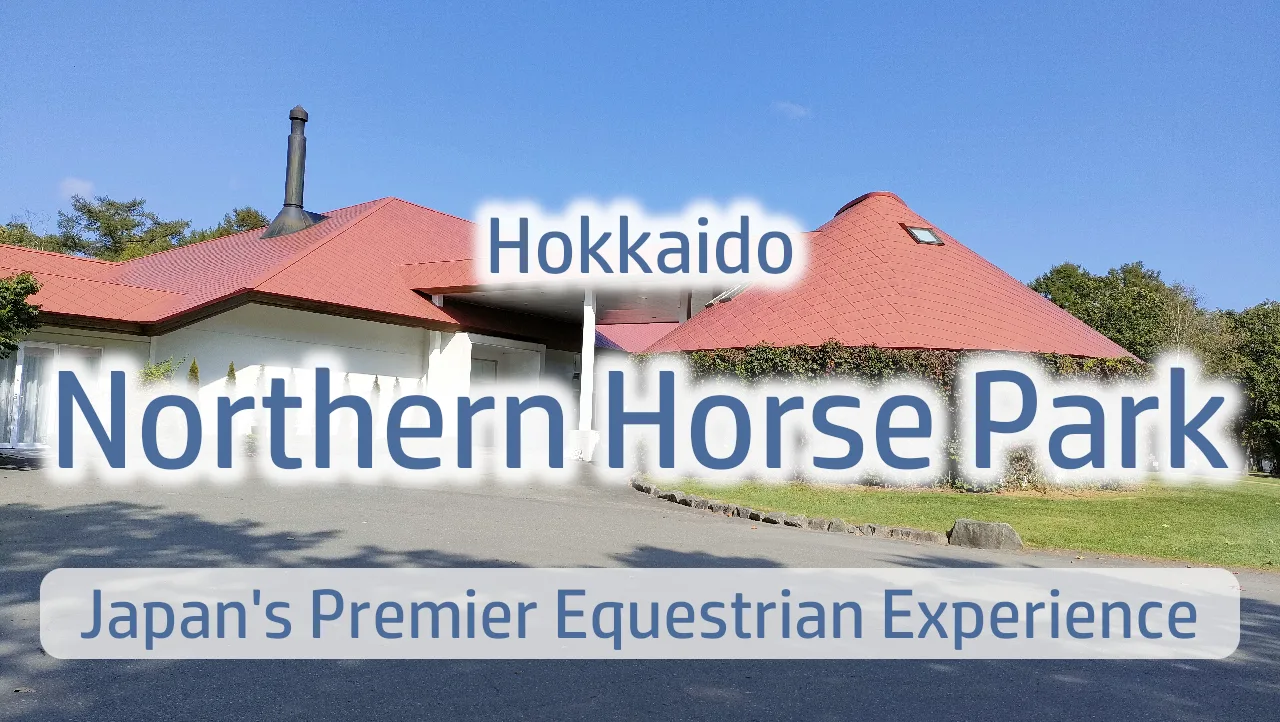
Imagine stepping off your plane at New Chitose Airport and within just 15 minutes finding yourself surrounded by over 80 majestic horses grazing across rolling Hokkaido meadows. This isn’t a daydream—it’s the reality waiting for you at Northern Horse Park, one of Japan’s most accessible and enchanting equestrian attractions. Whether you’re landing in Hokkaido for the first time or wrapping up an unforgettable journey through Japan’s northern frontier, this 50-hectare nature park offers an experience that seamlessly blends into any travel itinerary.
Since opening its gates in 1989, Northern Horse Park has been welcoming visitors into a world where the bond between horses, land, and people takes center stage. Operated by the renowned Shadai Group—legendary in Japanese horse racing circles for breeding champion thoroughbreds—the park provides rare opportunities to meet retired racehorses who once thundered down racetracks nationwide. Beyond equestrian encounters, the facility showcases Hokkaido’s dramatic seasonal transformations through beautifully designed gardens, outdoor activities ranging from cycling to snowmobiling, and restaurants serving locally sourced Hokkaido cuisine.
For families traveling with children, couples seeking romantic moments, horse racing enthusiasts, or solo travelers craving connection with nature, Northern Horse Park delivers memorable experiences tailored to every visitor. The park’s comprehensive programs ensure that even those who’ve never touched a horse before can safely enjoy close encounters with these gentle giants.
Why Advance Planning Makes All the Difference
While Northern Horse Park welcomes walk-in visitors, arriving without preparation can significantly diminish your experience—especially during peak travel seasons. The park consistently ranks among Hokkaido’s most popular attractions, drawing substantial crowds during summer months, national holidays, and school vacation periods. On particularly busy days, entry restrictions may be implemented, potentially disrupting carefully planned itineraries.
The real challenge lies with the park’s hands-on activities. Popular programs including guided horse rides, horse-drawn carriage tours, and horseback riding lessons operate with limited capacity. These experiences frequently sell out, leaving day-of visitors disappointed. Weekends, public holidays, and summer vacation periods see especially high demand. Without advance reservations, you may find yourself watching other visitors enjoy the activities you traveled to experience.
Beyond availability concerns, purchasing admission tickets at the gate means paying full price. Online booking platforms offer discounted entry tickets that can save your family considerable money—savings that could fund additional activities, souvenirs, or meals featuring Hokkaido’s exceptional local ingredients. For budget-conscious travelers, this simple planning step delivers immediate financial benefits.
Transportation logistics also require forethought. While a complimentary shuttle bus connects New Chitose Airport to Northern Horse Park, service operates on a limited schedule with restricted capacity. Travelers relying solely on this shuttle without checking timetables risk lengthy waits or missed connections. Those planning to rent vehicles or arrange taxi service benefit from advance booking, particularly during busy travel seasons when availability tightens.
A Legacy Rooted in Japanese Horse Racing Excellence
Understanding Northern Horse Park’s origins reveals why this destination offers experiences unavailable elsewhere in Japan. The facility’s history intertwines deeply with the Shadai Group, whose contributions to Japanese thoroughbred breeding have shaped the nation’s racing industry for decades. When the park opened in 1989, it embodied a simple yet profound philosophy: creating meaningful connections between horses, the land that sustains them, and the people who admire them.
Tomakomai’s location in southern Hokkaido provides ideal conditions for horse breeding. The region’s moderate climate and abundant pasturelands have nurtured countless champion racehorses over generations. This rich equestrian heritage permeates every corner of Northern Horse Park, where retired thoroughbreds spend their post-racing years in spacious, well-maintained facilities. Visitors gain privileged access to horses who once competed at Japan’s most prestigious racetracks—an opportunity racing fans treasure but rarely encounter.
The park currently houses over 80 horses representing approximately a dozen breeds. While thoroughbreds command significant attention, the diverse population includes ponies, quarter horses, and Hokkaido’s native Dosanko breed. Each animal receives individualized care from dedicated staff members whose affection for their charges becomes immediately apparent during stable tours and demonstrations.
Throughout its 35-year history, Northern Horse Park has evolved far beyond its original equestrian focus. Today’s visitors discover meticulously designed botanical gardens showcasing Hokkaido’s seasonal flora, restaurants highlighting regional culinary traditions, exhibition spaces exploring thoroughbred racing history, and recreational facilities offering activities from cycling to winter snow sports. This thoughtful expansion transformed a specialized horse park into a comprehensive destination appealing to visitors regardless of their initial interest in horses.
Japan’s First Free Pony Show: Entertainment That Captivates All Ages
Among Northern Horse Park’s many attractions, the Happy Pony Show stands as the flagship experience that has delighted visitors since the park’s inception. As Japan’s first regularly scheduled pony performance, this free daily show has entertained audiences for over 35 years with demonstrations that seem almost magical in their execution.
What distinguishes the Happy Pony Show from typical equestrian exhibitions is its revolutionary approach: performers work entirely without reins or physical restraints. While conventional horse shows rely on handlers maintaining constant physical contact through leads and bridles, these ponies perform complex routines responding solely to verbal cues and musical accompaniment. Watching them dance, jump obstacles, balance on platforms, and execute intricate choreography without visible control demonstrates the extraordinary intelligence and training these animals possess.
This remarkable achievement stems from reward-based training methodologies grounded in animal behavior science. Rather than employing coercion or force, trainers reward successful performances with treats and positive reinforcement. Ponies learn tricks voluntarily, motivated by the satisfaction of completing tasks and receiving rewards. This ethical approach ensures the animals enjoy performing rather than merely tolerating it—a distinction visible in their enthusiastic demeanor during shows.
The show features 11 registered ponies who rotate appearances, each bringing distinct personalities and signature tricks to their performances. Chicchi-kun, beloved for his mischievous charm despite his diminutive size, specializes in delighting audience members with gentle “cheek kisses” that consistently produce laughter and applause. The earnest Kin-chan showcases impressive dance routines synchronized precisely with musical rhythms, displaying coordination that rivals professional dancers. Relaxed Sesame-kun, named for the small speckles dotting his white coat, demonstrates unparalleled balance while standing atop elevated platforms, maintaining perfect stability that seems to defy physics.
The element of surprise adds to the show’s appeal—you won’t know which ponies will perform until you arrive. With two to three shows scheduled daily, visitors staying longer can potentially watch multiple performances featuring different cast members and routines.
The Happy Pony Show operates year-round in two distinct venues adapted to Hokkaido’s dramatic seasonal variations. During winter and inclement weather, performances move indoors to Palazzo Vega Pony Pavilion, where comfortable seating and climate control ensure pleasant viewing regardless of conditions outside. Summer performances transition to the outdoor Sunny Stage, where audiences enjoy shows beneath open skies with fresh Hokkaido breezes adding to the ambiance.
Both venues feature tiered seating designed to provide clear sightlines from every position. Families with small children particularly appreciate this thoughtful design, as even young ones can easily watch performances without obstruction.
Interactive elements elevate the Happy Pony Show beyond passive entertainment. Trainers regularly invite audience members—especially children—to participate directly in performances. Selected volunteers might feed ponies treats, pose for photographs with animal co-stars, or give simple commands that ponies cheerfully execute. These participatory moments create treasured memories, particularly for young visitors experiencing their first close encounters with horses.
The show’s appeal extends beyond rehearsed routines. Trainers maintain engaging commentary throughout performances, creating humorous exchanges with their equine partners. When ponies occasionally improvise or make endearing mistakes, these unscripted moments add authentic charm rather than detracting from the show. This relaxed, genuine atmosphere makes the experience feel personal rather than overly polished.
Special seasonal variations appear during holidays like Christmas and Halloween, when ponies don custom costumes hand-crafted by park staff. These adorable outfits—Santa suits, ghost costumes, and seasonal accessories—transform regular performances into festive celebrations while providing exceptional photo opportunities for social media enthusiasts.
Beyond entertainment value, the Happy Pony Show illuminates horse intelligence and learning capabilities in ways that surprise many visitors. Watching ponies comprehend complex instructions, remember intricate routines, synchronize movements with music, and respond appropriately to audience reactions reveals cognitive abilities that transcend simple trained behavior. The animals clearly enjoy performing, occasionally attempting new movements spontaneously or visibly responding to audience enthusiasm.
For families, this educational dimension carries particular significance. Children witnessing the mutual respect between trainers and ponies, the animals’ obvious enjoyment of their work, and the results of patient, humane training methods gain valuable lessons about animal welfare and the rewards of positive relationship-building.
Hands-On Horse Experiences for Every Skill Level
Northern Horse Park’s activity programs cater to visitors ranging from absolute beginners to experienced equestrians, ensuring everyone finds appropriate ways to interact with horses.
Guided Horse Rides: Your Five-Minute Introduction to Horseback Riding
The guided horse ride program offers the perfect introduction for first-time riders. During this five-minute experience, professional staff members lead gentle horses along designated paths while riders safely enjoy elevated perspectives unavailable from ground level. The controlled environment eliminates intimidation factors that might discourage nervous beginners.
Mounting a horse for the first time reveals sensations impossible to anticipate: the animal’s warmth radiating through the saddle, subtle muscle movements beneath you, and gentle rocking motions as hooves contact earth. Despite horses’ impressive size up close, their calm demeanor and the reassuring presence of expert handlers quickly dispel initial anxieties.
The elevated vantage point transforms familiar landscapes. Viewing gardens, pastures, and distant mountains from horseback provides fresh perspectives that photographers particularly appreciate. Northern Horse Park’s scenic backdrop ensures memorable images regardless of season—spring’s fresh greenery, summer’s vibrant meadows, autumn’s fiery foliage, or winter’s pristine snowscapes all create stunning settings.
This activity welcomes participants across broad age ranges, with height and weight requirements designed to accommodate most visitors. Families discover that even young children and older adults can safely enjoy this gentle introduction to horseback riding. The brevity makes it accessible for those with limited time or uncertain whether they’ll enjoy equestrian activities.
Horse-Drawn Carriage Rides: Classic Transportation with Romantic Appeal
Horse-drawn carriage rides deliver old-world elegance while touring Northern Horse Park’s expansive grounds. These vintage-style carriages accommodate approximately 20 passengers, making them ideal for families, friend groups, or couples seeking relaxed sightseeing.
The distinctive rhythm of hooves striking pavement—a sound absent from modern life—creates immediate ambiance. Unlike motorized vehicles’ mechanical drone, carriage rides offer peaceful quiet punctuated only by natural sounds: hoofbeats, birdsong, wind rustling through trees, and occasional conversations among passengers. This sensory experience connects riders with pre-industrial travel traditions while showcasing park landscapes from comfortable elevated seating.
Routes traverse major park attractions during 15-20 minute journeys, with knowledgeable guides often providing commentary about facilities, resident horses, and park history. These narrated tours help visitors orient themselves while learning fascinating details they might otherwise miss.
Weather adaptability ensures year-round availability. During summer, open-air carriages provide pleasant breezes and unobstructed views. Winter transforms these vehicles into horse-drawn sleighs that glide across snow-covered terrain, creating quintessentially Hokkaido experiences. The contrast between seasons means return visitors encounter entirely different atmospheres depending on when they arrive.
Horseback Riding Lessons: Developing Fundamental Equestrian Skills
Visitors seeking more substantial instruction can enroll in 30-minute horseback riding lessons that teach fundamental riding techniques under professional supervision. Unlike brief guided rides, these lessons provide hands-on education covering proper posture, rein handling, communication methods, and basic horse control.
Instructors design curriculum specifically for beginners, progressing systematically from stationary exercises that build confidence through graduated movement practice. Lessons begin with mounting techniques and achieving balanced posture while horses remain still. As students demonstrate readiness, instructors introduce walking exercises, gradually increasing complexity as skills develop.
These lessons reveal horses as remarkably perceptive creatures sensitive to rider emotions and intentions. Instructors emphasize remaining calm and confident, as horses naturally respond to their handler’s mental state. This psychological dimension adds unexpected depth to what initially appears purely physical skill-building.
Successful completion sometimes yields certificates commemorating this milestone—tangible mementos marking the beginning of potential lifelong equestrian journeys. For those contemplating whether to pursue riding seriously, these lessons provide valuable introduction to the sport’s challenges and rewards.
Horse Trekking: Advanced Adventures Through Hokkaido Nature
Experienced riders or those who’ve completed introductory lessons can participate in horse trekking programs that venture beyond developed park areas into natural landscapes. These 45-60 minute excursions follow trails winding through forests, across meadows, and along scenic viewpoints where Hokkaido’s wilderness unfolds in every direction.
Trail routes incorporate varied terrain that showcases regional biodiversity. Spring and summer rides pass wildflower meadows and verdant forests where native bird species nest in surrounding trees. Autumn treks reveal spectacular foliage transformations as deciduous trees display brilliant reds, oranges, and yellows against evergreen backdrops. Each season delivers distinct visual experiences that justify multiple visits.
Experienced guides accompany all treks, ensuring safety while sharing knowledge about local flora, fauna, and geography. Strategic stops allow photography breaks where riders can capture memorable moments without disrupting the experience.
This activity demands moderate riding competency and physical fitness but rewards participants with profound connections between horse, rider, and natural environment. The freedom of traversing wilderness on horseback—traveling at speeds impossible on foot yet slow enough to appreciate surroundings—delivers satisfaction that resonates long after rides conclude.
Meeting Racing Legends: Retired Champions Living Their Best Lives
For horse racing enthusiasts, Northern Horse Park offers extraordinary opportunities to encounter legendary thoroughbreds who captivated Japan during their competitive careers. The park’s affiliation with Northern Farm—one of Japan’s premier breeding operations—means several Grade-winning horses now reside here, spending peaceful retirement years after their racetrack glory days.
Multiple distinguished horses currently call Northern Horse Park home, though their availability for viewing depends on health considerations, weather conditions, and training schedules. Kinshasa no Kiseki, who achieved the unprecedented feat of winning the Takamatsunomiya Kinen twice consecutively in 2010 and 2011, ranks among the park’s most celebrated residents. His blazing speed during his prime earned him recognition as Japan’s best sprinter, with victories in numerous prestigious races throughout his career.
Blast One Piece holds special significance as the 2018 Arima Kinen winner—a remarkable achievement for a three-year-old competing against established older horses. Rather than entering stud service as most championship males do, Blast One Piece’s gentle temperament and excellent disposition made him ideal for riding programs, allowing visitors to interact directly with a genuine Grade I winner.
These retired champions inhabit primarily Stable No. 3, where informational plaques detail their racing accomplishments, bloodlines, and personality traits. Approaching these magnificent animals who once competed before roaring crowds creates poignant moments, particularly for racing fans who remember watching their victories. The contrast between their high-intensity competitive lives and current peaceful existence underscores the care Northern Horse Park provides its equine residents.
Viewing guidelines emphasize respect and safety. While these horses generally tolerate human presence well, sudden movements or loud noises can startle them. Approaching calmly, maintaining appropriate distance, and following staff instructions ensures positive experiences for both visitors and horses. Staff members often share fascinating anecdotes about individual horses’ personalities, preferences, and daily routines for those interested in learning more.
Photography is permitted throughout stable areas, though flash should be disabled to avoid disturbing residents. Natural lighting—particularly during morning hours—produces the most flattering images while minimizing stress on animals.
Beyond Horses: Northern Park’s Diverse Attractions
While equestrian activities anchor Northern Horse Park’s appeal, the facility offers numerous complementary attractions that extend visits and accommodate diverse interests.
Botanical Gardens: Hokkaido’s Seasons in Bloom
Professional landscape designers created Northern Horse Park’s botanical gardens to showcase approximately 1,000 plant species across 3.3 hectares of meticulously maintained grounds. Strategic plantings ensure continuous blooming from spring through autumn, with different species reaching peak display throughout growing seasons.
Spring visitors encounter tulips, daffodils, and early perennials emerging from winter dormancy. Summer brings lavender fields whose purple blooms and distinctive fragrance evoke Provence, along with sunflowers standing like golden sentinels against blue Hokkaido skies. Autumn showcases cosmos, dahlias, and ornamental grasses in warm seasonal hues.
Rose gardens attract particular attention during peak blooming periods, when hundreds of plants representing numerous varieties display colors spanning the spectrum while perfuming surrounding air. These gardens provide popular settings for wedding photography and romantic couple portraits.
Walking paths wind throughout garden areas, with benches positioned at scenic intervals for rest and contemplation. The gardens exemplify thoughtful design adapted to Hokkaido’s climate, featuring cold-hardy species that thrive despite challenging winters.
Cycling Adventures: Exploring the Park at Your Own Pace
Northern Horse Park’s expansive grounds make bicycles practical transportation options for efficiently covering distances between attractions. Rental services offer standard bicycles and electric-assist models accommodating varying fitness levels. The latter proves especially popular among families with young children or visitors who prefer leisurely exploration without physical exertion.
Paved paths throughout the property ensure safe, comfortable cycling regardless of weather. The relatively flat terrain makes riding accessible even for those who rarely cycle, while the peaceful, traffic-free environment allows full attention on surrounding scenery rather than navigation concerns.
Spring through autumn cycling offers opportunities to pedal past colorful gardens, along pastoral fencing where horses graze in adjacent pastures, and through tree-lined avenues providing welcome shade during warm afternoons. The sensation of Hokkaido’s clean air rushing past while surrounded by nature delivers invigorating refreshment that resonates with outdoor enthusiasts.
Winter Wonderland: Cold-Weather Activities
Hokkaido’s substantial snowfall transforms Northern Horse Park each winter into a destination for activities impossible during warmer months. Mini snowmobiles allow even children to experience powered snow vehicle operation safely under supervision. These scaled-down machines deliver excitement without intimidation.
Winter horse-drawn sleigh rides replace warm-season carriages, offering enchanting journeys across snow-blanketed landscapes. The sleigh’s smooth gliding motion differs distinctly from wheeled carriage rides, creating unique sensory experiences. Bundled passengers enjoy crystalline winter air while horses’ warm breath creates visible clouds in frigid temperatures—scenes straight from storybooks.
Snow rafting, tubing, and other winter recreational options round out cold-weather programming. Hokkaido’s exceptional powder snow quality—among the world’s finest—ensures these activities deliver maximum enjoyment. Families discover that Northern Park’s winter season offers completely different experiences from summer visits, justifying return trips during contrasting seasons.
Culinary Experiences: Tasting Hokkaido’s Bounty
Northern Horse Park’s dining facilities emphasize Hokkaido’s exceptional agricultural products, from premium beef and pork to fresh seasonal vegetables and dairy products.
The main restaurant features Western-style cuisine prepared with locally sourced ingredients. Large windows provide garden views while diners enjoy dishes like hamburger steak crafted from Hokkaido beef, known for exceptional marbling and flavor. Fresh salads incorporate vegetables grown nearby, their natural sweetness and crispness reflecting the region’s clean environment and skilled farming.
Children’s menu options balance nutrition with visual appeal, presented in colorful arrangements that encourage young diners to try new foods. Family-friendly atmosphere and accommodating staff make this venue suitable even when traveling with small children who might disrupt more formal establishments.
Cafés positioned strategically throughout the park serve lighter fare including Hokkaido soft-serve ice cream celebrated for rich, creamy texture derived from premium local dairy. Seasonal desserts, cookies, and beverages provide perfect refreshment during breaks between activities. Outdoor terrace seating during pleasant weather allows guests to enjoy treats while surrounded by natural beauty.
Practical Information for Planning Your Visit
Location and Transportation
Northern Horse Park’s position just 15 minutes by car from New Chitose Airport represents one of its most significant advantages. This proximity makes the park ideal for first-day or last-day inclusion in Hokkaido itineraries, maximizing limited travel time.
A complimentary shuttle bus operates between the airport and park, though schedules vary seasonally and capacity remains limited. Confirming current timetables before relying on this transportation prevents potential disappointments.
Rental car usage provides maximum flexibility for visitors planning multi-destination Hokkaido trips. Clear signage along Route 36 and connecting roads directs drivers to the facility, while modern GPS navigation systems reliably locate the destination.
Taxis offer convenient point-to-point transportation for groups or families where per-person costs compare favorably against alternative options.
Admission and Operating Hours
The park maintains seasonal operating schedules that reflect Hokkaido’s climate variations. Summer high season (approximately mid-April through early November) features extended hours accommodating longer daylight periods and higher visitor volumes. Winter operations (early November through mid-April) run reduced hours aligned with shorter days and lower attendance.
Advanced ticket purchase through online platforms typically provides discounted pricing compared to gate purchases, with savings varying by season and promotional periods. These modest discounts accumulate significantly for family groups, potentially funding additional activities or extending stays.
Seasonal Visiting Considerations
Each season delivers distinct experiences that appeal to different preferences:
Spring awakens the park with emerging vegetation, cherry blossoms, and energetic horses enjoying moderate temperatures after winter confinement. Late April through May typically provides ideal conditions with comfortable temperatures and lower crowds than peak summer.
Summer brings maximum activity with all programs operating simultaneously. While crowds increase substantially—especially during July-August school vacations and national holidays—extended daylight hours and perfect weather justify accepting busier conditions. This season showcases gardens at their most spectacular.
Autumn offers arguably the most photogenic period, when foliage transforms into brilliant reds, oranges, and yellows against blue skies. September through October delivers comfortable temperatures, manageable crowds, and stunning natural beauty that photographers particularly treasure.
Winter completely reimagines the park beneath snow blankets, with unique cold-weather activities unavailable elsewhere. While temperatures plunge and operations scale back, this season offers authentic Hokkaido winter experiences. Reduced admission pricing during winter months provides additional incentive for cold-weather visits.
What to Wear and Bring
Comfortable walking shoes prove essential given the property’s size and primarily outdoor orientation. Athletic footwear, hiking boots, or comfortable sneakers serve well, while fashion footwear like heels or flimsy sandals create unnecessary discomfort and potential safety hazards.
Weather-appropriate clothing varies dramatically by season:
- Summer: Sun protection including hats, sunglasses, and sunscreen; light, breathable fabrics; reusable water bottles for hydration
- Spring/Autumn: Layered clothing accommodating temperature fluctuations; light jackets or sweaters for morning/evening coolness
- Winter: Comprehensive cold-weather gear including insulated coats, gloves, scarves, warm hats, and waterproof boots with good traction on snow/ice
Activities involving horses benefit from practical clothing that tolerates potential dirt or hair contact. While staff maintain excellent cleanliness standards, close animal interaction inevitably involves some mess. Easily laundered casual wear proves more appropriate than expensive or delicate garments.
Cameras and binoculars enhance enjoyment for those wanting detailed observation or lasting photographic memories. However, valuable equipment requires careful management in active outdoor environments.
Facility Information
| Category | Details |
|---|---|
| Address | 114-7 Misawa, Tomakomai, Hokkaido 059-1361 |
| Access | 15 minutes by car from New Chitose Airport; Free shuttle bus available (limited schedule) |
| Parking | Free parking for approximately 500 vehicles |
| Operating Season | Year-round (Closed April 10-14 annually) |
| Summer Hours | 9:00 AM – 5:00 PM (mid-April to early November) |
| Winter Hours | 10:00 AM – 4:00 PM (early November to mid-April) |
| Admission | Advance online booking recommended for discounts |
| Languages | English pamphlets available; Some English-speaking staff |
| Facilities | Restaurants, cafes, gift shops, restrooms, nursing rooms, coin lockers |
| Accessibility | Wheelchair and stroller accessible paths; Rental wheelchairs available |
Making Your Hokkaido Journey Unforgettable
Northern Horse Park represents far more than a simple tourist attraction—it embodies Hokkaido’s pastoral heritage while providing contemporary visitors authentic connections with magnificent animals in natural settings. The facility’s convenient airport proximity, diverse programming, seasonal transformations, and commitment to animal welfare create experiences that resonate across age groups and interest levels.
Whether you’re introducing children to horses for the first time, seeking romantic moments with your partner, pursuing passion for thoroughbred racing history, or simply craving peaceful hours in beautiful natural surroundings, Northern Horse Park delivers memorable experiences worth planning around.
The gentle horses who call this place home—from retired racing champions to playful ponies performing daily shows—serve as ambassadors for human-animal bonds that enrich our lives. Their calm presence and willingness to interact with strangers demonstrates remarkable temperament while staff dedication ensures their well-being and happiness.
As you plan your Hokkaido adventure, consider allocating at least half a day to explore Northern Horse Park’s many offerings. Advance ticket purchase saves money while guaranteeing entry during busy periods. Checking activity schedules helps prioritize must-see attractions and optimize limited time.
For travelers seeking seamless, stress-free experiences throughout Japan, professional tour management can transform good trips into extraordinary journeys. A dedicated tour conductor ensures every aspect of your itinerary runs smoothly, handling logistics that often create frustration for independent travelers.
At e-Stay’s Private Tour Conductor Service, English-speaking professionals manage your entire Hokkaido journey from start to finish. Whether you’re exploring Northern Horse Park as part of a broader regional tour, navigating Sapporo’s urban attractions, or venturing into wilderness areas, expert itinerary management ensures everything flows seamlessly. Your tour conductor coordinates transportation schedules, manages hotel check-ins, provides interpretation assistance during shopping or restaurant visits, arranges shipping for purchases you’d like sent home, and handles the countless details that can complicate travel in a foreign country. Rather than worrying about connections, reservations, or language barriers, you simply enjoy each destination while your conductor ensures the journey proceeds exactly as planned.
Northern Horse Park awaits with open pastures, gentle horses, and the timeless beauty of Hokkaido nature. Whether you visit during summer’s vibrant blooms, autumn’s fiery foliage, winter’s pristine snowscapes, or spring’s fresh awakening, this remarkable destination promises experiences that will remain in your heart long after your journey home.