


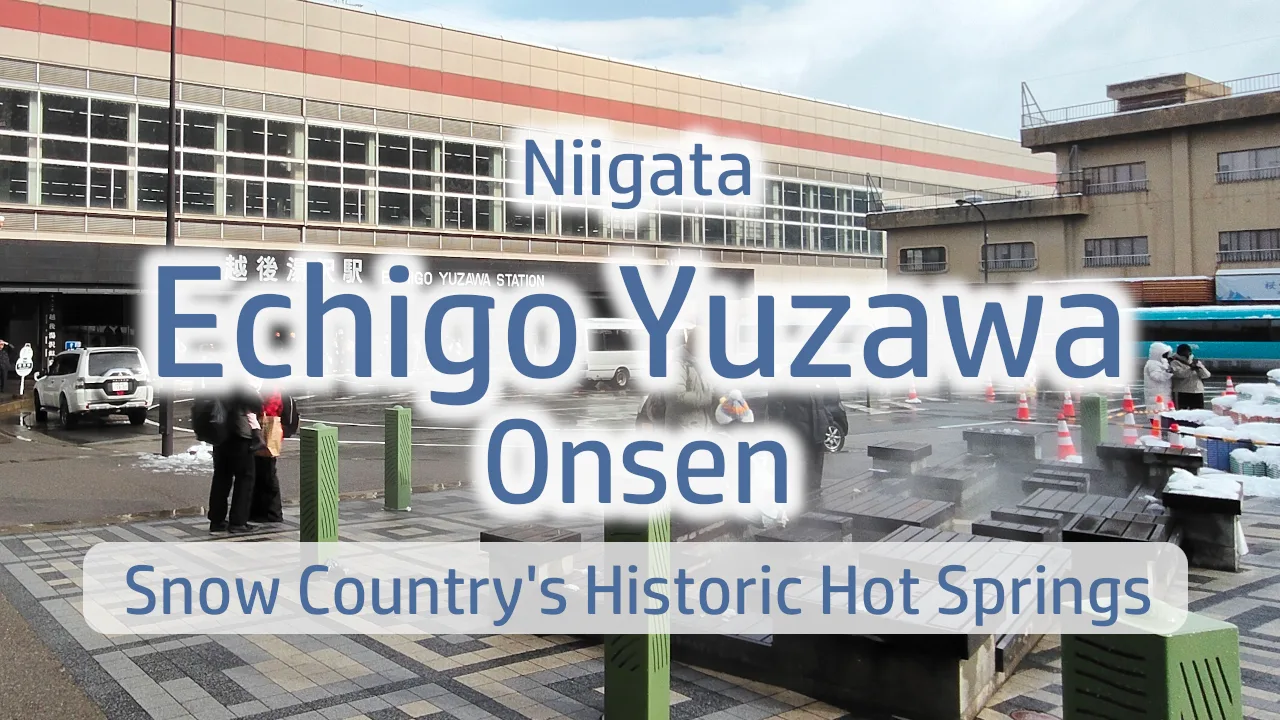
Nestled in the snow-covered mountains of Niigata Prefecture, Echigo Yuzawa Onsen offers a perfect blend of literary history, therapeutic hot springs, and year-round natural beauty. Just 70 minutes from Tokyo by shinkansen, this 900-year-old hot spring town immortalized in Yasunari Kawabata’s Nobel Prize-winning novel “Snow Country” welcomes travelers seeking authentic Japanese onsen culture and mountain resort experiences.
Understanding Echigo Yuzawa Onsen
Echigo Yuzawa Onsen is located in Yuzawa Town, Minami-Uonuma District, Niigata Prefecture. The town sits surrounded by majestic peaks including Mt. Tanigawa and Mt. Naeba, creating a dramatic alpine landscape that changes dramatically with the seasons. While internationally recognized as a premier winter sports destination with numerous ski resorts, the area’s identity as a hot spring town stretches back over 900 years.
The opening of the Joetsu Shinkansen line transformed Echigo Yuzawa into one of the most accessible mountain resorts from Tokyo, making it ideal for both day trips and extended stays. The town’s name combines “Echigo,” the historical name for Niigata region, with “Yuzawa,” meaning “hot water marsh,” reflecting the area’s abundance of natural thermal springs.
Kawabata’s “Snow Country” begins with the famous line, “The train came out of the long tunnel into the snow country,” referring to the Shimizu Tunnel that travelers pass through to reach Yuzawa. This literary connection continues to draw visitors who want to experience the landscapes and hot spring culture that inspired one of Japan’s most celebrated authors.
Navigating Your First Visit
For first-time visitors to Echigo Yuzawa Onsen, understanding the local hot spring culture can seem daunting. The town features five communal bathhouses called “sotoyu” (external baths) where locals bathe daily, and visitors may wonder about proper etiquette, accessibility, and whether tourists are truly welcome in these community spaces.
The reality is that these public bathhouses actively welcome visitors and represent an essential part of experiencing authentic Japanese onsen culture. However, some practical considerations deserve attention. Unlike hotel onsen facilities, communal bathhouses operate on simpler schedules and may have limited English signage. Understanding basic bathing etiquette becomes essential: thoroughly washing before entering the bath, no clothing or towels in the water, and respecting the quiet atmosphere.
Timing your visit also matters significantly. While Echigo Yuzawa shines as a winter ski destination, many wonder if the area merits a visit during other seasons. This concern is understandable given the town’s strong association with winter sports. The truth is that each season offers distinct experiences, from spring wildflowers to summer hiking and autumn foliage, making Echigo Yuzawa a true four-season destination worth exploring beyond the ski months.
Nine Centuries of Hot Spring Heritage
The history of Echigo Yuzawa Onsen extends back to the late Heian period, with records indicating hot spring activity as early as 1076. Historical documents from the Aizu domain mention the springs’ existence during this era, suggesting nearly 950 years of continuous use as a therapeutic bathing site.
Local legend attributes the discovery of the hot springs to approximately 800 years ago. According to this story, a samurai named Takahashi Hanzaemon from Shibata Domain fell ill while traveling through the area and was forced to camp overnight. While preparing a meal and entering Yunosawa River, he accidentally discovered naturally flowing hot spring water. This chance encounter marked the beginning of Echigo Yuzawa’s identity as a hot spring destination.
During the Edo period, Echigo Yuzawa flourished as a post town along the historic Mikuni Kaido road. Travelers and feudal lords participating in the sankin-kotai system of alternate attendance regularly stopped here to rest and recover from their journeys. Meiji-era records describe three principal inns: Matsusakaya, Yamatoya, and Nakaya. Guests would soak in lukewarm water in wooden tubs, using a log as a pillow for extended therapeutic bathing sessions.
The modern development of Echigo Yuzawa began in 1931 with the opening of the Joetsu Line railway. Local business leaders immediately recognized the tourism potential and initiated large-scale hot spring drilling in the Nishiyama area. In 1932, they successfully tapped a 71-degree Celsius source, triggering a boom in hot spring development. Large hotels and ryokan soon lined the streets around the station, transforming Echigo Yuzawa into a major resort destination.
Kawabata’s Literary Legacy
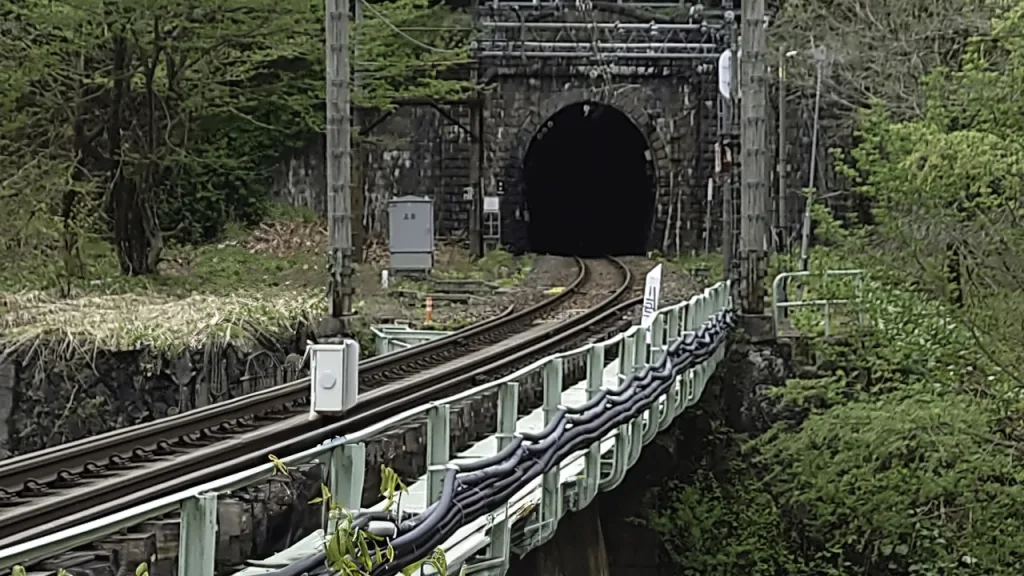
Yasunari Kawabata’s connection to Echigo Yuzawa remains one of the town’s most distinctive features. The author first visited in 1934 after passing through the Shimizu Tunnel, returning multiple times over subsequent years. His regular lodging, Takahan Ryokan, provided the setting where he spent approximately three years from late 1934 to 1937 writing “Snow Country.”
The novel follows Shimamura, a Tokyo dilettante, and his relationship with Komako, a geisha in the snow country. Kawabata’s evocative descriptions of the snow-covered landscape and hot spring atmosphere captured the essence of Echigo Yuzawa, bringing international attention to this mountain town.
Today, Yukiguni no Yado Takahan preserves “Kasumi no Ma” (Haze Room), where Kawabata wrote portions of the novel. Originally located on the second floor of a three-story wooden building, the room has been relocated to a newer structure and now serves as a literary museum open to overnight guests. This room served as the model for the space where Shimamura and Komako’s encounters took place in the novel.
The communal bathhouse “Komako no Yu” takes its name from the novel’s heroine. Inside, photographs of snow-covered Yuzawa landscapes help visitors imagine the world Kawabata described. Additional sites related to “Snow Country” dot the town, including the Yuzawa Town History and Folklore Museum “Yukiguni-kan,” allowing visitors to trace the author’s footsteps throughout the area.
Diverse Spring Waters and Therapeutic Benefits
One of Echigo Yuzawa Onsen’s distinguishing characteristics is the variety of spring water types available. The town operates a centralized hot spring management system with four distribution facilities supplying various accommodations and bathhouses.
This centralized system developed out of necessity. Construction of the shinkansen line affected individual source outputs, requiring the town to adopt collective management for stable year-round supply. The system now blends multiple sources to ensure consistent availability.
The first distribution facility supplies sodium-calcium chloride spring water with a source temperature of 57.3°C, classified as weakly alkaline, hypotonic, and high-temperature. The second and third facilities provide simple hot springs at source temperatures of 55.2°C and 55.8°C respectively, also classified as weakly alkaline and hypotonic.
The town’s oldest bathhouse, “Yama no Yu” (Mountain Bath), offers simple sulfur spring water in a 100% source-fed bath without dilution, heating, circulation filtering, or chlorine addition. This weakly alkaline water leaves skin feeling smooth and moisturized after bathing.
The therapeutic benefits of these various spring waters include relief from neuralgia, muscular pain, joint pain, frozen shoulder, motor paralysis, joint stiffness, bruises, sprains, chronic digestive disorders, hemorrhoids, cold sensitivity, and general fatigue recovery. The weakly alkaline properties particularly benefit skin health, making these springs popular among female visitors.
Experiencing Sotoyu Hopping Culture
Visiting Echigo Yuzawa’s five communal bathhouses offers an authentic immersion into local hot spring culture. These facilities serve as daily gathering places for residents while welcoming tourists to share in the tradition.
Yumoto Communal Bath “Yama no Yu”
As Echigo Yuzawa’s oldest communal bathhouse, locally nicknamed “yamanbocha,” this facility preserves the area’s original hot spring heritage. The bath uses simple sulfur spring water from the discovery-site source, flowing continuously without any additives or processing.
Located near Yukiguni no Yado Takahan where Kawabata wrote “Snow Country,” the author himself reportedly bathed here. The single bathtub accommodates five to six people, creating an intimate atmosphere where locals and visitors naturally interact. This modest scale perfectly captures the essence of traditional Japanese communal bathing culture.
Shimoyuzawa Communal Bath “Komako no Yu”
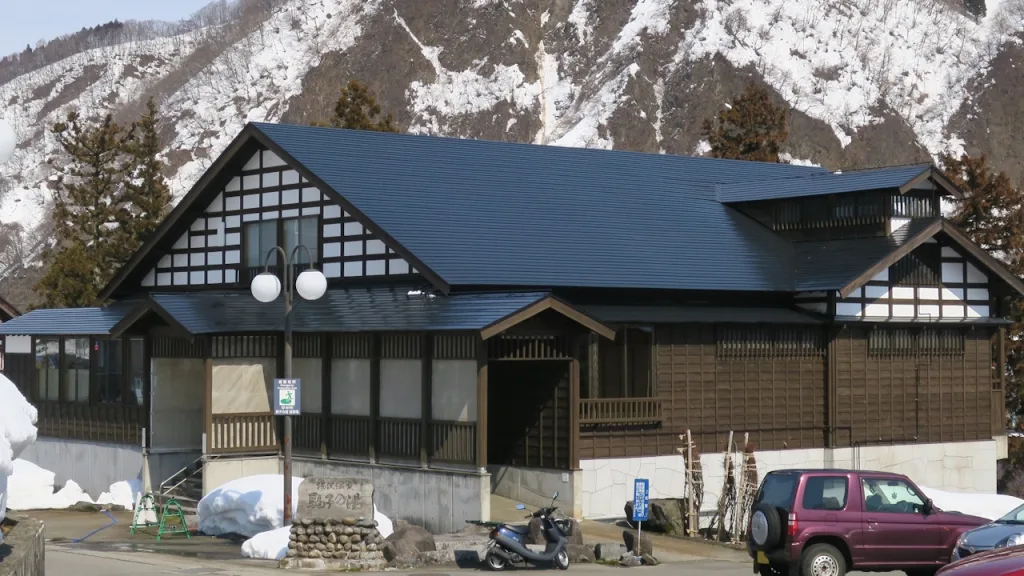
Named after the heroine of “Snow Country,” this bathhouse sits closest to Echigo-Yuzawa Station, making it the most accessible for travelers. The atmospheric building houses a bath accommodating approximately 15 people, with partitioned washing areas and windows overlooking Yuzawa’s mountain scenery.
The spring water here is sodium-calcium chloride type, mild and warming, with excellent heat retention properties. Interior displays feature photographs of Yuzawa’s snow-covered landscapes, allowing bathers to reflect on the novel’s imagery while soaking.
Mitsumata Communal Bath “Kaido no Yu”
The only communal bathhouse featuring an outdoor bath, Kaido no Yu offers open-air bathing surrounded by nature with mountain views changing through the seasons. The rock-built outdoor bath holds about 10 people, while the indoor stone bath accommodates approximately 20.
The simple hot spring water here pairs well with the traditional head-cold-feet-warm principle when bathing outdoors. Deep breathing in the clean mountain air while soaking enhances the relaxation experience. The nearby Michi-no-Eki Mitsumata roadside station provides additional attractions including local produce, restaurants, cafes, and foot baths.
Tsuchitaru Communal Bath “Iwa no Yu”
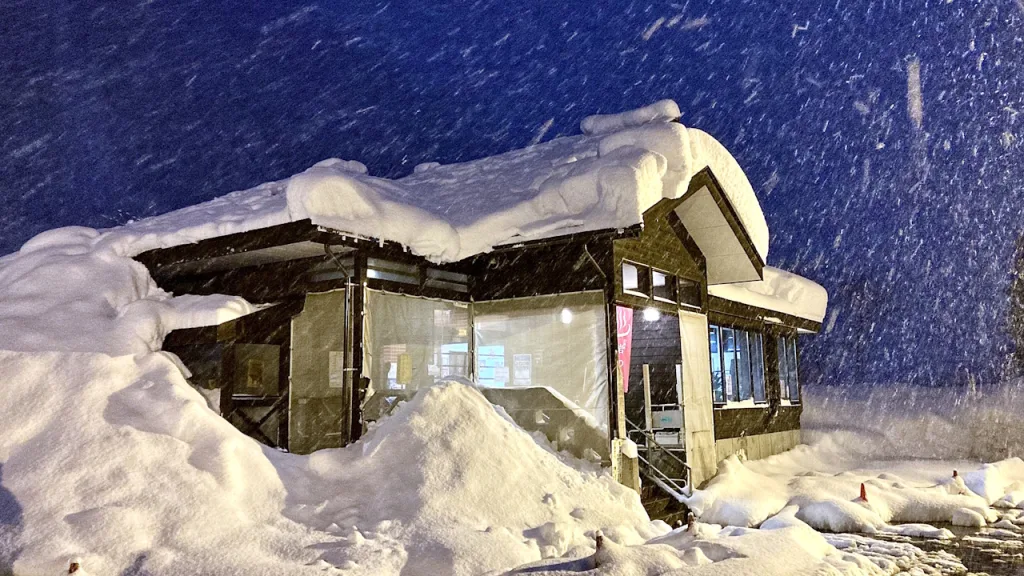
Situated along the Uono River near Yuzawa Fishing Park, this bathhouse features alkaline simple hot spring water in a peaceful natural setting. The location makes it ideal for visitors combining fishing or riverside activities with hot spring bathing.
Futai Communal Bath “Shukuba no Yu”
Located near Tashiro Ski Resort, this facility includes an indoor bath, jacuzzi, and sauna. The simple hot spring water provides perfect post-skiing recovery. While situated farther from the main hot spring district, the quieter environment offers a more secluded bathing experience.
Sotoyu Pass
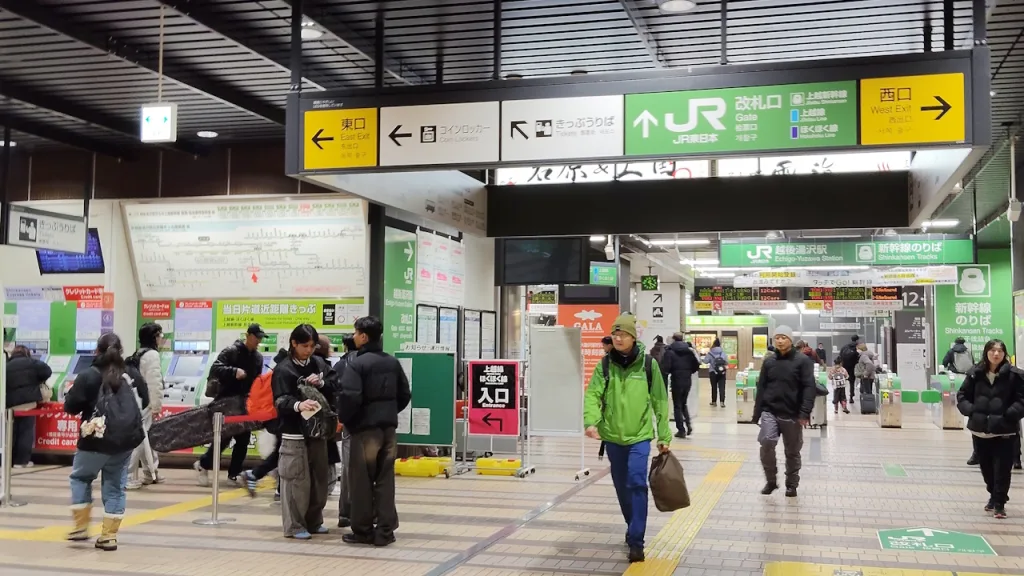
For visitors wanting to experience multiple bathhouses efficiently, the “Sotoyu Meguri Ken” (Sotoyu Hopping Pass) provides access to all five communal baths. Available at each bathhouse, Echigo-Yuzawa Station’s tourist information center, and the onsen general information office at the station’s west exit, this pass offers significant savings compared to individual admission fees.
Exploring the Hot Spring District
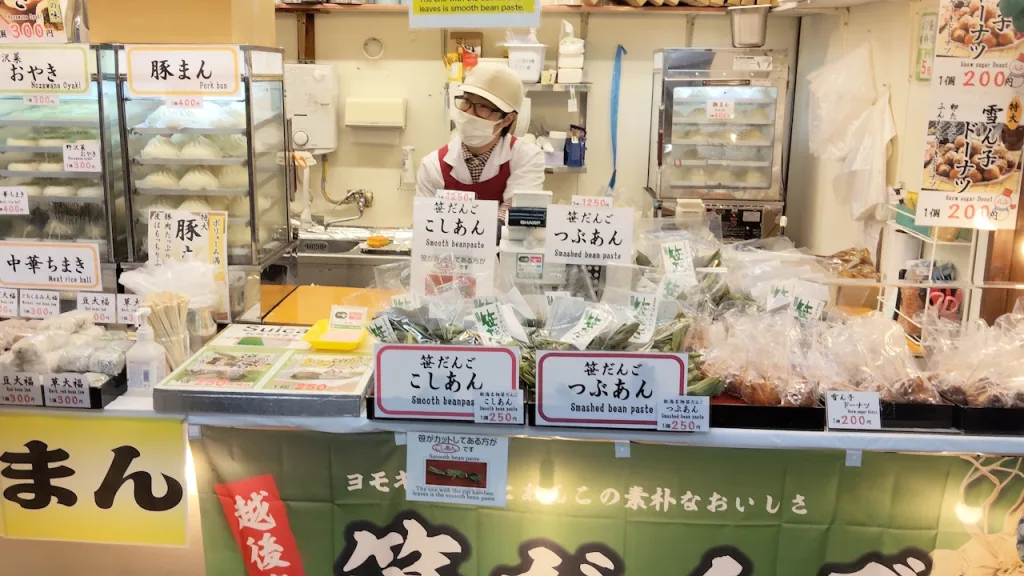
Beyond bathing, Echigo Yuzawa’s hot spring district offers numerous ways to spend time. The atmospheric streets west of the station invite leisurely exploration, combining shopping, dining, and cultural experiences.
Culinary Discoveries
Local specialty shops line the streets offering onsen manju (hot spring steamed buns) and sasa dango (bamboo leaf-wrapped mugwort dumplings), both quintessential Niigata treats. For lunch, hegisoba represents the regional signature dish.
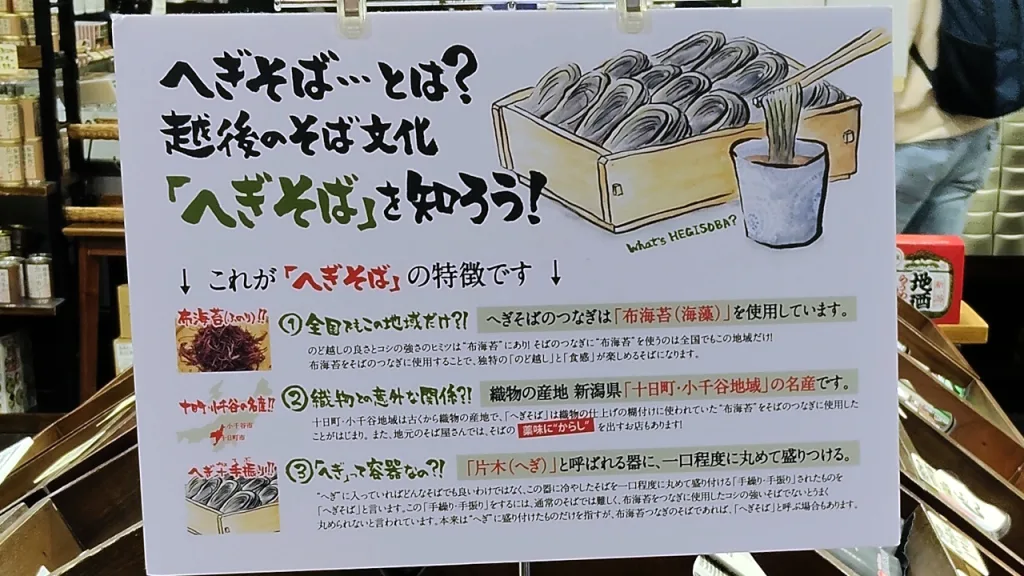
Hegisoba features buckwheat noodles served in square wooden boxes called “hegi.” The defining characteristic is the use of funori, a type of seaweed, as a binding agent instead of traditional flour. This gives the noodles an exceptionally smooth texture and strong elasticity. The practice originated in this textile-producing region where funori was used in fabric making and was adapted for noodle production. The noodles are typically arranged in small, elegant portions creating a visually appealing presentation.
Foot Bath Spots
Free foot baths throughout the district provide quick relaxation opportunities during walks. The colorful tiled foot bath at Echigo-Yuzawa Station’s west exit plaza offers a photogenic spot convenient for visitors heading to the ropeway or hot spring district.
Additional foot bath locations include “Ashiyasume Kannakkuri” adjacent to Yukiguni-kan museum, the foot bath at Echigo Yuzawa HATAGO Isen, and Karagasa-tei’s skin-beautifying foot bath. These facilities allow easy sampling of the hot spring water’s benefits without committing to a full bath.
Station Onsen Experience
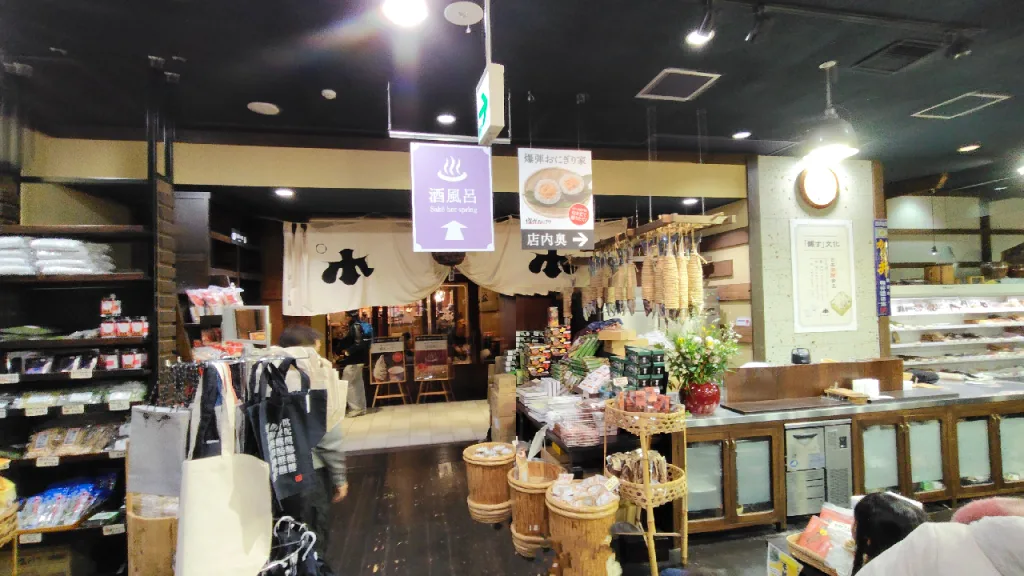
Inside Echigo-Yuzawa Station, Ponshukan facility houses an unusual sake bath called “Eki no Naka no Onsen” (Station Inside Hot Spring). This Japanese rice wine-infused bath provides convenient recovery from travel fatigue or serves as a perfect pre-departure experience.
Ponshukan also features a sake tasting corner where visitors can sample representative brands from all Niigata Prefecture breweries. The system provides a sake cup and five tokens, allowing selection from dozens of sake dispensing machines. This unique experience particularly appeals to Japanese sake enthusiasts.
Seasonal Natural Beauty
Echigo Yuzawa’s appeal extends beyond hot springs to encompass stunning natural landscapes throughout the year. While winter skiing attracts the largest crowds, spring through autumn offer equally compelling experiences.
Yuzawa Kogen Ropeway
Located about eight minutes’ walk from Echigo-Yuzawa Station’s west exit, this ropeway reaches Panorama Station at approximately 870 meters elevation in seven minutes. The world-class 166-person cabin provides aerial views of the Echigo Sanzan mountains, Tanigawa peaks, Yuzawa townscape, and passing shinkansen trains.
The summit area features an open deck designed like clouds with a foot bath offering panoramic views stretching from the Tanigawa range to Echigo Sanzan. The Alpine Garden “Alp no Sato” showcases a rock garden constructed from stones excavated during Joetsu Shinkansen’s Oshimizu Tunnel construction, recreating 2,500-meter alpine environments where over 200 high mountain plant species flourish.
Outdoor Activities
Green season brings opportunities for trekking, camping, kayaking, and stream fishing. The crystal-clear Uono River’s Higashibashi upstream area called “Masudamari” provides excellent river play spots suitable for all ages.
Fudo Falls, accessible via a 15-minute mountain trail from Takizawa Park, cascades approximately 20 meters down a cliff face, splitting into two streams. The larger left falls (male) and smaller right falls (female) merge in a basin below, earning the site recognition as a power spot where couples can pray for romantic success. The sight particularly impresses during the fresh greenery season.
Traditional Accommodations
Echigo Yuzawa Onsen’s lodging options range from historic ryokan maintaining traditional atmosphere to modern resort hotels. Properties offering 100% source-fed baths, rooms with private outdoor baths, and those emphasizing local cuisine each provide distinct experiences.
Many establishments showcase Niigata’s culinary bounty, particularly Uonuma-produced Koshihikari rice considered Japan’s finest. Fresh seafood from the Japan Sea, mountain vegetables, and premium local rice create memorable dining experiences complementing the hot spring soaking.
Nearby Attractions Worth Visiting
Using Echigo Yuzawa Onsen as a base, several compelling nearby destinations merit exploration.
Yuzawa Town History and Folklore Museum “Yukiguni-kan”
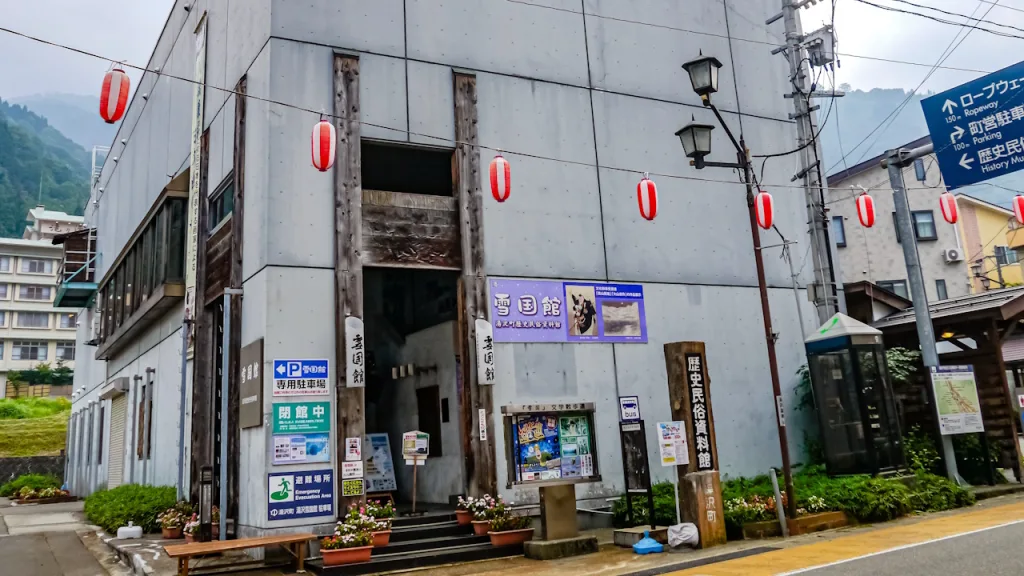
This museum focuses on Kawabata’s “Snow Country” alongside Yuzawa’s historical development and traditional lifestyle. A relocated room where Matsuei, believed to be the model for heroine Komako, lived provides tangible connection to the novel’s real-world inspirations.
Kiyotsu Gorge Tunnel
Recognized as one of Japan’s three great gorges, Kiyotsu Gorge features dramatic columnar rock formations and pristine streams. The viewing platform at the tunnel’s terminus creates a magical effect where gorge scenery reflects in a water basin, creating an otherworldly atmosphere that has gained social media attention.
Daigenta Canyon
The area surrounding Lake Daigenta and the Mt. Daigenta foothills offers accessible nature experiences. Three zones—camping area, lake area, and flower village area—provide camping, barbecuing, and hands-on workshops. The mountain reflections on the lake surface create exceptional photographic opportunities.
Planning Your Perfect Hot Spring Journey
Experiencing Echigo Yuzawa Onsen independently offers freedom and flexibility, but navigating a foreign destination’s transportation, language barriers, and cultural nuances can present challenges. Some travelers prefer having professional support to maximize their experience while minimizing stress.
For those seeking a more guided approach to exploring Japan’s hot spring culture and beyond, professional tour conductor services can transform your journey. These specialists handle itinerary coordination, provide interpretation assistance, arrange emergency support, and ensure smooth navigation of Japan’s complex transportation systems. Rather than performing guide duties, tour conductors focus on itinerary management, allowing you to concentrate on enjoying your onsen experience and cultural immersion.
Whether visiting Echigo Yuzawa for its literary heritage, therapeutic waters, or seasonal landscapes, having expert support can enhance your understanding and appreciation of this remarkable destination.
Learn more about professional tour conductor services for your Japan journey
Consider exploring Echigo Yuzawa Onsen on your next Japanese adventure—where centuries of hot spring tradition meet natural splendor in the heart of snow country.
| Transportation | Route | Duration |
|---|---|---|
| From Tokyo | Joetsu Shinkansen from Tokyo Station | Approximately 70 minutes |
| From Niigata | Joetsu Shinkansen from Niigata Station | Approximately 37 minutes |
| By Car | Kan-etsu Expressway to Yuzawa IC | 5 minutes from IC to town |
Discovering Authentic Onsen Culture
Echigo Yuzawa Onsen’s enduring appeal stems from the harmonious integration of 900-year hot spring heritage, literary significance as “Snow Country’s” setting, and spectacular seasonal natural beauty. The sotoyu hopping experience provides authentic immersion into local bathing culture, while the hot spring district offers culinary exploration and relaxation opportunities. Combined with surrounding natural attractions and outdoor activities, the area reveals deep, multifaceted appeal.
Rather than limiting visits to winter ski season, Echigo Yuzawa rewards exploration during spring’s fresh greenery, summer’s cooling mountain climate, and autumn’s spectacular foliage. Each season presents different faces of this mountain hot spring town.
Just over an hour from Tokyo, Echigo Yuzawa Onsen offers accessible escape into historic hot springs, rich natural surroundings, and warm hospitality. This destination provides ideal conditions for mental and physical renewal away from urban intensity.