

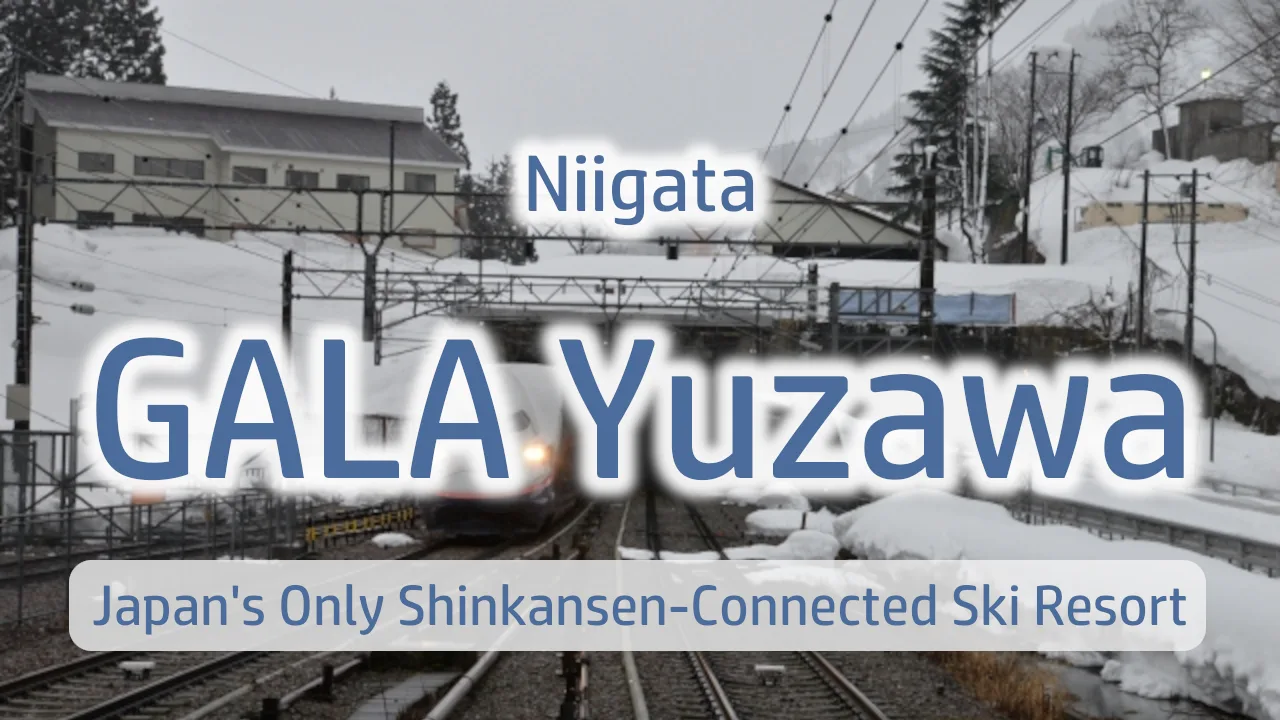
Just 75 minutes from Tokyo, you can step off a bullet train directly onto the slopes of one of Japan’s most innovative ski resorts. GALA Yuzawa stands alone as the country’s only ski destination with its own dedicated Shinkansen station, transforming the traditional ski trip into an effortless day excursion. This remarkable convenience comes from an unexpected origin story—one that began with a maintenance worker’s observation of a hillside behind a rail depot.
Limited Operating Season Creates Exclusivity
GALA Yuzawa Station operates only during ski season, typically from mid-December through early May. This temporary station on the Joetsu Shinkansen line represents a unique approach to seasonal tourism infrastructure in Japan. The station shares space with an active rail maintenance facility, which continues its year-round operations even as skiers pass through during winter months.
Unlike permanent stations that serve communities throughout the year, GALA Yuzawa Station closes completely when snow melts, making it a true seasonal phenomenon. The tracks that carry passengers to the slopes serve as depot access routes during summer and autumn, demonstrating an efficient dual-use system that maximizes infrastructure value.
The seasonal nature affects operational patterns significantly. Morning trains from Tokyo arrive at regular intervals to deliver eager skiers, but afternoon service essentially pauses for approximately six hours as visitors maximize their slope time. Return trains begin operating in late afternoon, with the final departure determining when the ski center closes for the day. Understanding this schedule proves essential for planning an efficient visit.
A Maintenance Depot Transformed Into a Resort
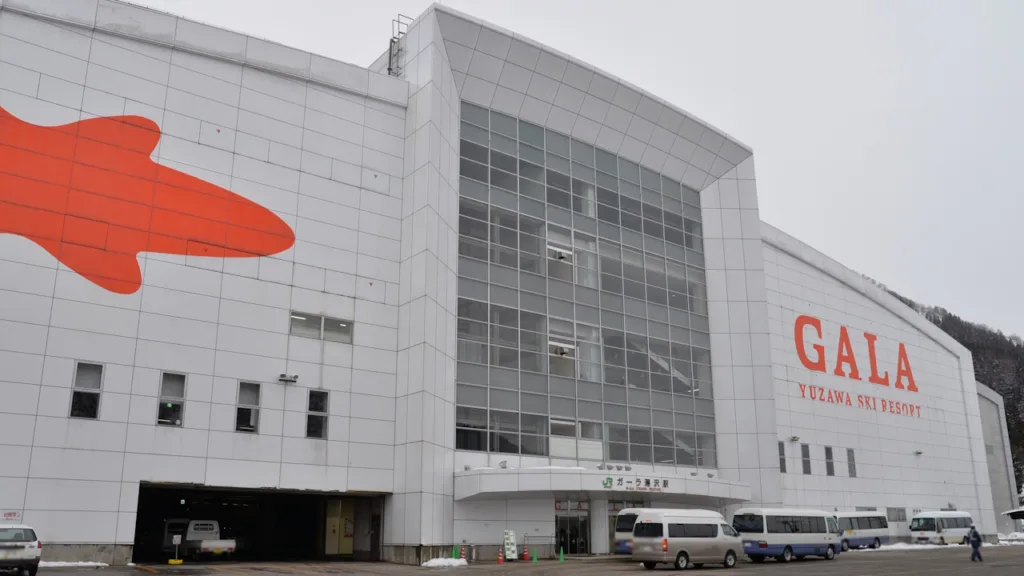
The concept for GALA Yuzawa emerged during a pivotal period in Japanese railway history. When Japanese National Railways privatized in 1987 to form JR East, the newly independent company actively sought innovative business opportunities. An observant maintenance worker at Echigo Yuzawa depot noticed the hillside behind the facility and proposed a bold idea: convert deadhead Shinkansen runs into revenue service by creating a ski resort accessible directly from a new station.
This suggestion arrived perfectly timed with JR East’s internal competition for new business proposals. The privatization had lowered the restrictions that previously prevented rail companies from competing with private sector tourism businesses, opening possibilities for diversification. The maintenance depot concept aligned with JR East’s existing expertise—they already operated Hachimantai ski area in Iwate Prefecture and understood winter sports facility management.
The project moved forward rapidly. Rather than completely relocating the maintenance facility, planners integrated the new passenger station alongside continuing depot operations. Today’s GALA Yuzawa Station maintains this dual identity, with maintenance vehicles visible from platforms when ski season ends and depot functions resume full prominence.
Revolutionary 75-Minute Tokyo Connection
JR East built their vision around a compelling proposition: a ski resort reachable from Tokyo in the time of a typical commute. Traditional ski trips required lengthy drives or complex transportation combinations, but the Shinkansen connection promised morning departure from Tokyo with slope access before lunch, then evening return for dinner back in the city.
This convenience fundamentally changed winter sports accessibility for Tokyo residents. The resort’s tagline during development emphasized this time factor—approximately 75 minutes from Tokyo Station to slope-side arrival. For context, many Tokyo workers commute similar durations daily, making GALA Yuzawa feel closer than some suburban neighborhoods.
The station opened December 20, 1990, simultaneously with the ski resort. Initial marketing featured actress Kyoko Koizumi and launched the iconic “JR SKISKI” campaign that became synonymous with accessible skiing throughout the 1990s. The campaign’s success established GALA Yuzawa as a household name and validated the unusual station concept.
Technical Classification: Shinkansen Running on Local Lines
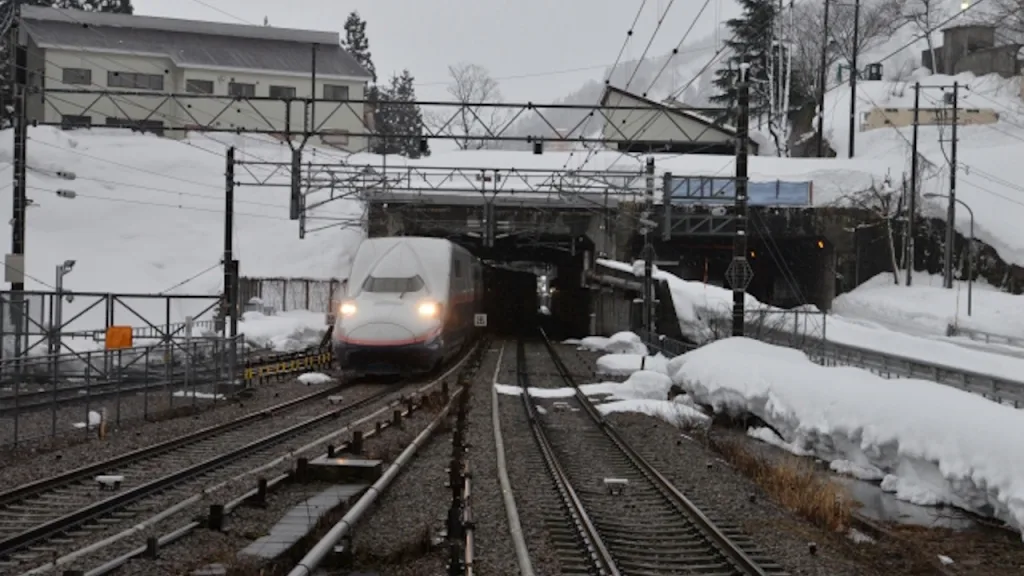
GALA Yuzawa presents an unusual legal classification within Japan’s rail system. While bullet train equipment serves the station, the 1.8-kilometer section from Echigo Yuzawa technically operates as a branch of the conventional Joetsu Main Line rather than as true Shinkansen infrastructure. This designation matches a similar arrangement at JR West’s Hakata-Minami Line, where depot access tracks gained passenger service.
The practical implications affect fare structure. Travel from Echigo Yuzawa to GALA Yuzawa costs just 250 yen—comprising a 150-yen local fare plus 100-yen limited express surcharge. This represents perhaps Japan’s most economical Shinkansen experience, with passengers riding bullet train equipment at local train prices.
For through passengers from Tokyo, the 100-yen surcharge simply adds to standard Shinkansen pricing. The modest premium makes day trips financially accessible, especially for travelers using JR East passes that cover the main Shinkansen portion. This affordable connection removed a common barrier to ski resort access.
Community-Focused Development Philosophy
JR East’s planning deliberately avoided competing with established Yuzawa hospitality businesses. Echigo Yuzawa town had operated as a hot spring resort for generations, with numerous ryokan and hotels serving visitors. Rather than building JR-branded lodging at GALA Yuzawa Station, the company intentionally left accommodation to existing providers.
This decision shaped GALA Yuzawa’s operational model toward day visitors. The resort maximizes convenience for those arriving morning and departing evening, while overnight guests naturally gravitate toward Echigo Yuzawa’s traditional accommodations. Free shuttle buses connect the main Echigo Yuzawa Station with GALA Yuzawa, ensuring staying guests access slopes easily.
This community partnership approach created sustainable development rather than disruptive competition. Local businesses benefit from the increased visitor flow GALA Yuzawa generates, while the resort maintains focus on what it does best—providing immediate slope access for time-limited visitors. The arrangement demonstrates how transportation companies can develop tourism assets while supporting existing regional economies.
Integrated Station and Ski Center Architecture

Architectural integration defines the GALA Yuzawa experience. The station’s second floor houses Shinkansen ticket gates adjacent to the main ski center entrance. Step through the gates, and rental counters, ticket sales, and locker facilities surround you. The building eliminates typical separation between transportation and recreation facilities.
This ski center, named “Kawabanga” (surfer slang for excitement), occupies multiple floors. Equipment rental operations handle massive daily volume with systematized efficiency. Lockers and changing rooms provide space for the transition from street clothes to ski gear. Within minutes of arriving, visitors can board the eight-person Diligence gondola that ascends to the main skiing areas at 800 meters elevation.
The gondola serves as the resort’s vertical transportation spine. It rises from the station-level base to Central Area’s mid-mountain position, where lift networks access three distinct skiing zones. This design concentrates services at the easily accessible base while spreading skiing terrain across the mountain’s varied topography.
The facility includes multiple dining options, retail shops, and the third-floor SPA GALA-NO-YU hot spring complex. Everything necessary for a complete ski day exists within the connected structure, minimizing outdoor exposure between activities. For visitors from subtropical or temperate climates, this covered connection proves particularly valuable during harsh weather.
Three Distinct Skiing Areas
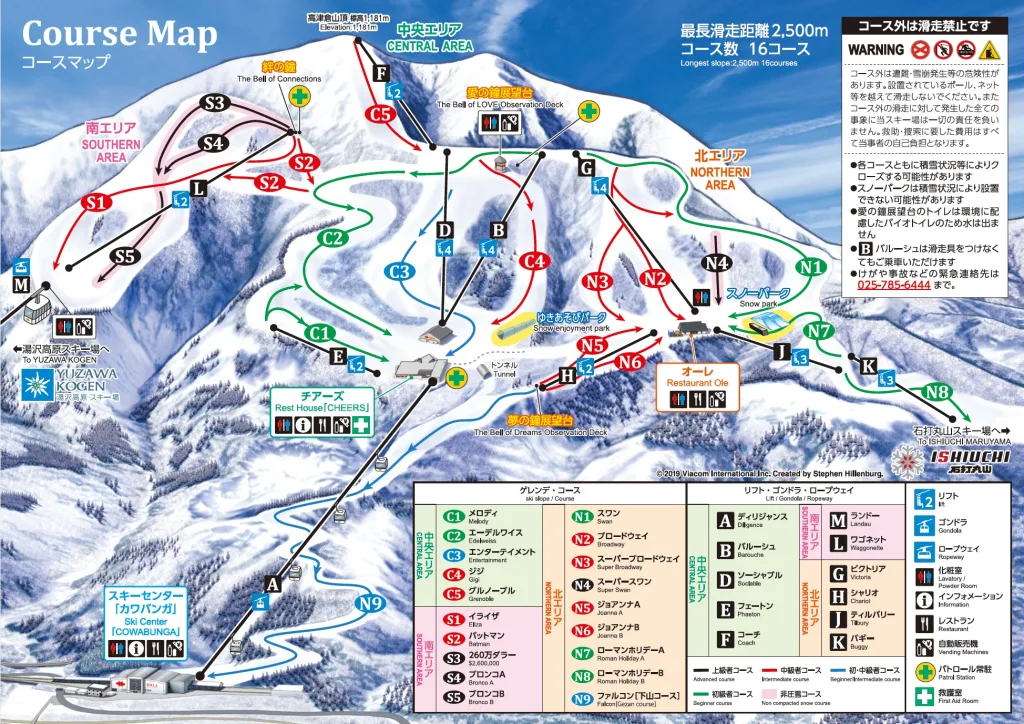
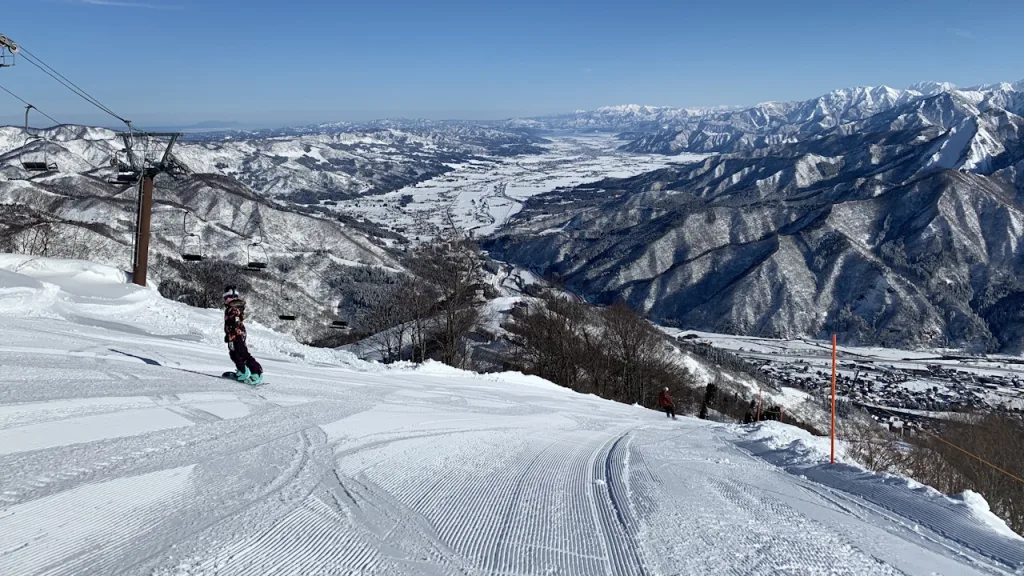
The resort spans elevations from 358 to 1,181 meters across three zones. The Central Area, accessed directly from the gondola’s mountain station, features wide, groomed runs suitable for beginners and intermediates. This zone sees heaviest traffic due to its accessible terrain and central location.
The Northern Area offers more challenging conditions with steeper pitches and, depending on season, off-piste opportunities. Higher elevation often delivers superior snow quality, attracting advanced skiers seeking powder or technical terrain. Conditions here can vary dramatically from the lower mountain, with wind and temperature creating different experiences even within a single day.
The Southern Area includes the popular Falcon run, a 2,500-meter descent offering panoramic mountain views. This longest run becomes many visitors’ highlight, providing sustained cruising through varied terrain back toward the base area. The route’s length and scenic quality make it memorable despite moderate difficulty.
The 16 total courses break down to 35 percent beginner, 45 percent intermediate, and 20 percent advanced terrain. Maximum pitch reaches 33 degrees on expert runs. This distribution accommodates mixed-ability groups, though serious experts might find limited extreme terrain compared to dedicated advanced-skier destinations.
⛷️ Skip the Lines – Book Your Lift Tickets in Advance!
Secure your GALA Yuzawa lift passes and equipment rentals before you arrive. Klook offers convenient mobile tickets and package deals.
→ Reserve Your Ski Pass on Klook
Equipment Rental and Hot Spring Facilities
Rental services operate at massive scale, billing itself as Japan’s largest ski rental facility. The operation stocks current-season equipment from major manufacturers, with premium options available for those wanting high-performance gear. Full packages include skis or snowboard, boots, poles, and outerwear, enabling truly hands-free travel from Tokyo.
Staff process rental transactions efficiently despite high volume, though peak periods create inevitable queues. Advance reservations help, particularly during weekends and holidays when demand surges. Size availability generally remains good even for unusual requirements, with children’s through adult sizing comprehensively covered.
The third-floor SPA GALA-NO-YU opened November 1997, providing post-skiing relaxation. The facility sources weak alkaline simple thermal water, known for benefits addressing muscle soreness and joint pain—exactly what tired skiers need. Large baths, fitness pool, and changing areas give space for groups to unwind simultaneously.
Separate locker facilities on the second and third floors accommodate different user needs. Second-floor options suit those making quick changes before hitting slopes, while third-floor facilities near the spa serve those taking time for complete relaxation. Family changing rooms address the needs of parents with young children.
Diverse Dining Options Throughout the Complex
Japanese Restaurant Yuta: Niigata Flavors
Multiple restaurants serve the varied tastes of thousands daily. The second-floor Japanese restaurant Yuta emphasizes Niigata ingredients, particularly Minami Uonuma rice from the locally renowned production region. Set meals and rice bowls provide substantial portions to fuel active skiing, while regional sake and Niigata-exclusive beers complement meals.
Onigiri Counter and Senkyoku: Local Favorites
Adjacent rice ball counter Yuta often draws long lines, having developed reputation for quality and generous sizing. The 2024 season added restaurant Senkyoku, focusing on premium local ingredients and fresh seafood prepared in regional styles. Operating hours extend to 7 PM on weekends, accommodating those skiing until final lifts.
Food Court Palparu: High-Capacity Main Dining
Food Court Palparu serves as the highest-capacity dining area, offering variety from hot meals to desserts. Multiple vendor stations reduce wait times even during lunch rush, though securing seating requires patience during peak periods. The facility’s size ensures groups can usually eat together despite crowds.
KOMEKO Crepe: Rice Flour Desserts
KOMEKOクレープ (Komeko Crepe) capitalizes on Niigata’s rice production by using rice flour in desserts. The resulting texture differs noticeably from wheat-based crepes, offering distinctive mochi-like chewiness. These prove popular as post-skiing treats, with both savory and sweet varieties available.
IRORI Cafe Suzuki Farm: Artisanal Approach
Third-floor IRORI Cafe Suzuki Farm takes artisanal approach, featuring mustard produced from seed selection through fermentation on a Minami Uonuma farm. House-made craft cola and hot dogs showcase quality ingredients. Limited hours (weekday noon-7 PM, weekend 11 AM-7 PM) reflect small-scale production values.
Family-Friendly Snow Play Area
The Yuki Asobi Park (Snow Play Park) provides dedicated sledding and snow activity space for children not ready for skiing or snowboarding. Located on-mountain after the gondola ride, this fenced area ensures safe play separated from skiing traffic. Families with mixed abilities can split time between serious skiing and casual snow fun without feeling restricted.
Supervised instruction programs serve young learners. Certified school staff teach foundational skiing and snowboarding skills through age-appropriate methods. Multi-week season memberships allow children to progress systematically rather than attempting to learn everything in single sessions.
Schedule Aligned with Skier Patterns
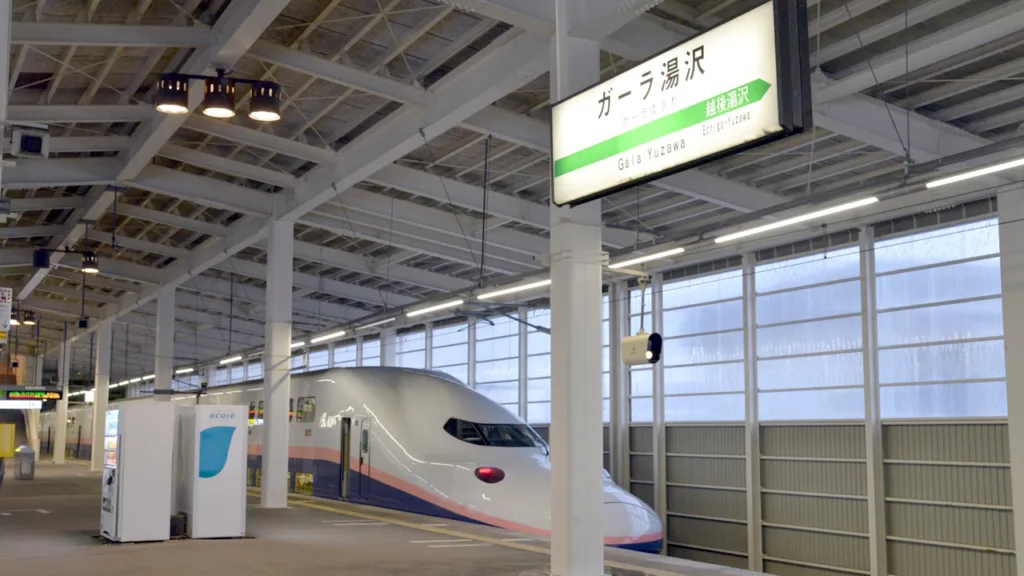
Train timing reflects typical visitor behavior. Morning sees frequent Tokyo-bound trains delivering fresh arrivals between approximately 7 AM and noon. This loading period ensures early starts for those maximizing slope time. After midday arrivals taper, creating the notable six-hour gap with minimal service.
Afternoon focuses on returns. Departures begin around 3 PM and continue through early evening, with each train gradually emptying the mountain of day visitors. The final departure time effectively sets resort closing, as the ski center shuts down with the last train. Staff begin breakdown procedures as final skiers board.
Gate areas open 15 minutes before departure, with platform access restricted until then. Weekend periods see long queues forming well before gate opening as visitors secure unreserved seats. Those preferring assured seating book reserved accommodations, paying modest premiums for guaranteed space.
🎫 Complete Ski Package Available!
Get everything you need in one booking – lift tickets, equipment rental, and even Shinkansen transfers. Book hassle-free on Kkday!
Summer and Autumn Mountain Tourism
GALA Yuzawa operates limited summer seasons, pivoting from snow sports to mountain recreation. The gondola provides scenic access to high-elevation hiking and sightseeing. Alpine flowers, cooler temperatures, and mountain views attract different visitor demographics than winter operations.
Autumn brings spectacular foliage as deciduous trees transition through vibrant colors. The gondola ride becomes a popular leaf-viewing platform, offering perspectives impossible from valley roads. These shoulder seasons generate additional revenue while maintaining the facility’s profile during non-snow months.
However, summer and autumn visitors must access the resort via Echigo Yuzawa Station or automobile, as direct Shinkansen service remains winter-exclusive. Shuttle buses provide the connection, maintaining accessibility though requiring the extra transfer step that winter visitors avoid.
Multi-Resort Yuzawa Snow Link
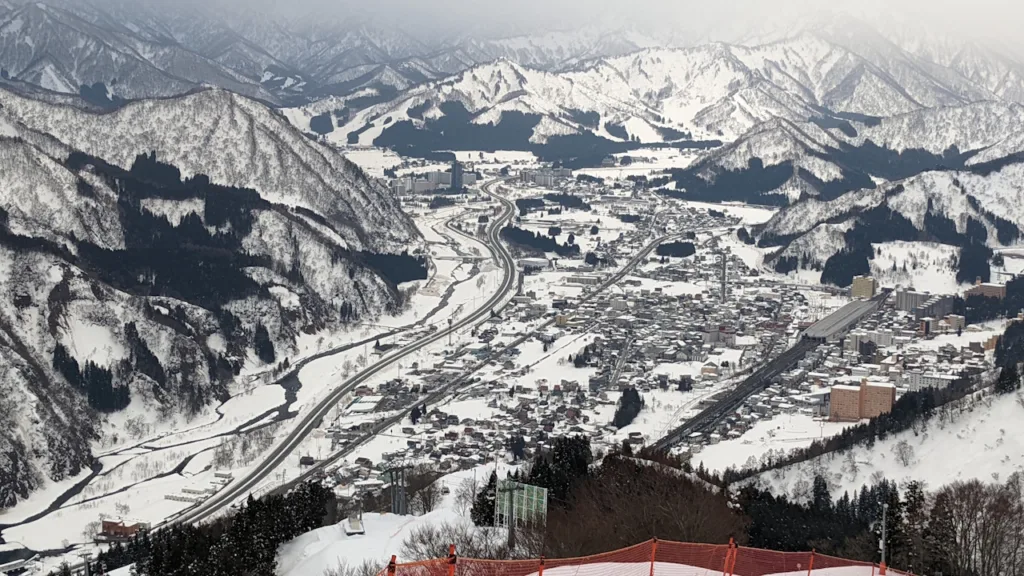
The BIG MOUNTAIN Yuzawa Snow Link pass integrates GALA Yuzawa with neighboring Yuzawa Kogen and Ishiuchi Maruyama resorts. This three-mountain ticket creates extensive territory under single-day coverage, allowing varied terrain sampling without separate lift ticket purchases. Ski-through connections between certain areas enable seamless movement between mountains.
Combined, these resorts offer significantly more terrain diversity than any single location. Advanced skiers can seek steep challenges at one resort, then cruise mellower intermediate terrain elsewhere, all within one ticket’s scope. The interconnection transforms the Yuzawa region from individual ski areas into a comprehensive destination.
Shuttle buses supplement ski-through connections, particularly useful for returning to original departure points at day’s end. This flexibility appeals to groups with varied skill levels, as members can separate for terrain matching their abilities then reunite for dining or travel.
Ishiuchi Maruyama: Historic Resort with Modern Innovations
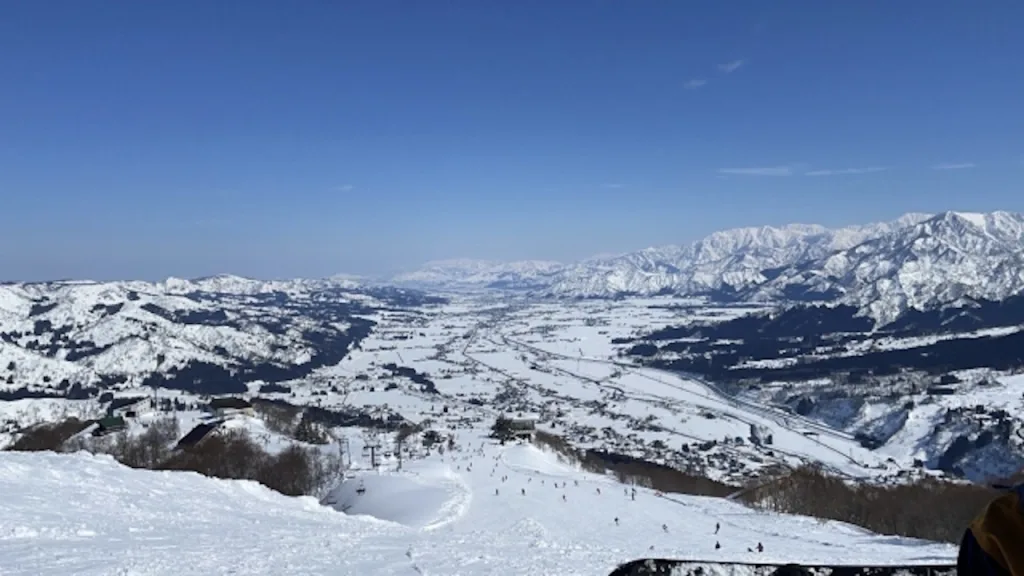
This 70-year-old resort spreads across 236 hectares with 23 courses. Fan-shaped layout from the summit provides multiple descent routes with varying character. Views across Minami Uonuma plain toward the Echigo mountains create memorable scenery. The cutting-edge Sunrise Express features both gondola and chairlift vehicles on shared cables—a rare global installation. Summit-to-base runs extend 4,000 meters, offering sustained descents for intermediate and advanced skiers.
Yuzawa Kogen: Walking Distance from the Station
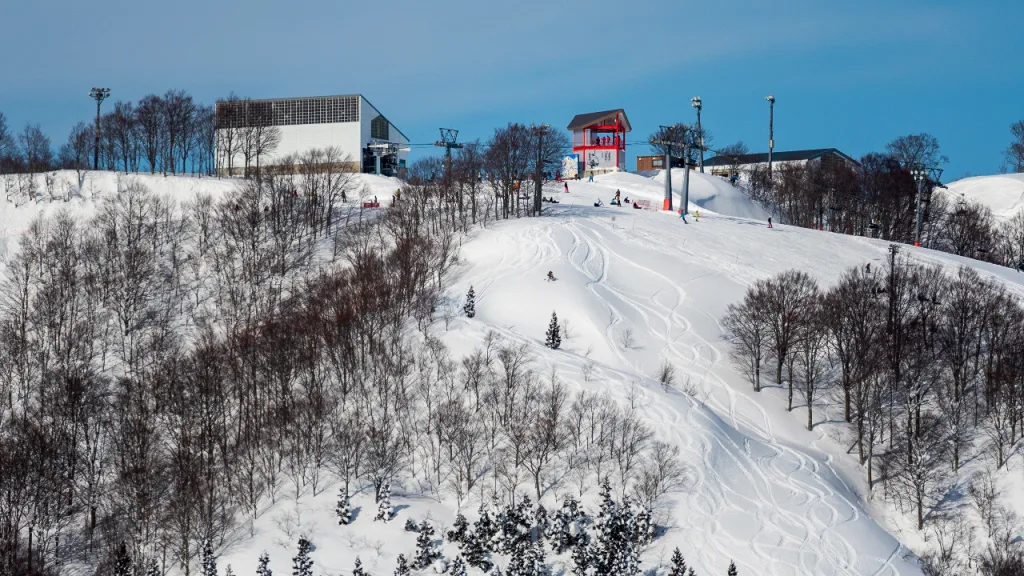
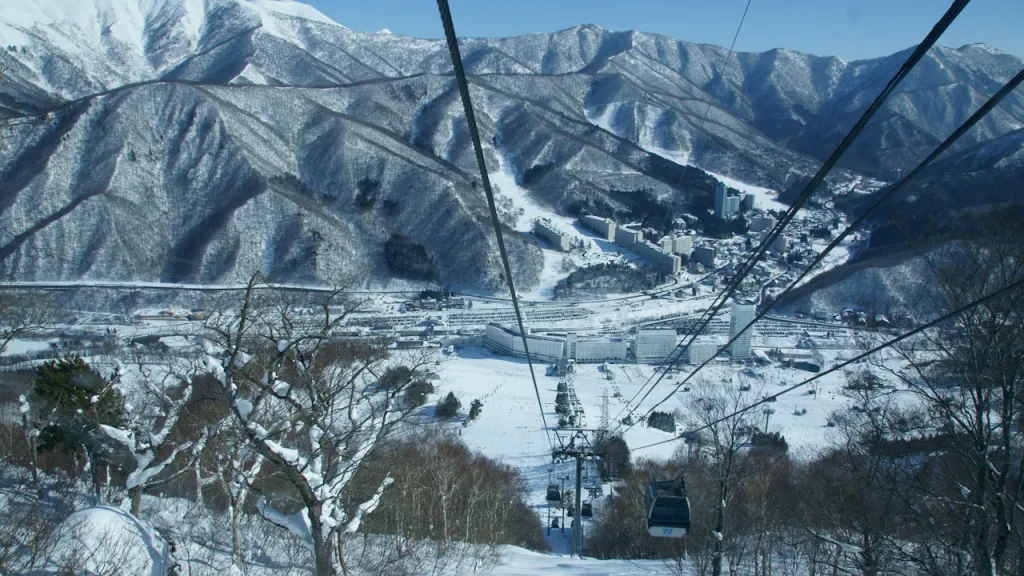
Located just eight minutes walk from Echigo Yuzawa Station, this resort emphasizes convenience and beginner-friendly terrain. A 166-person ropeway ranks among the world’s largest, providing seven-minute scenic rides to 1,000-meter elevation. Panoramic views of the Tanigawa mountain range and Echigo peaks reward the ascent. Compact but well-designed terrain serves beginners and intermediates effectively, making it ideal for families and learning groups.
Neighboring Ski Resorts
Naeba: Premium Ski-In/Ski-Out Experience
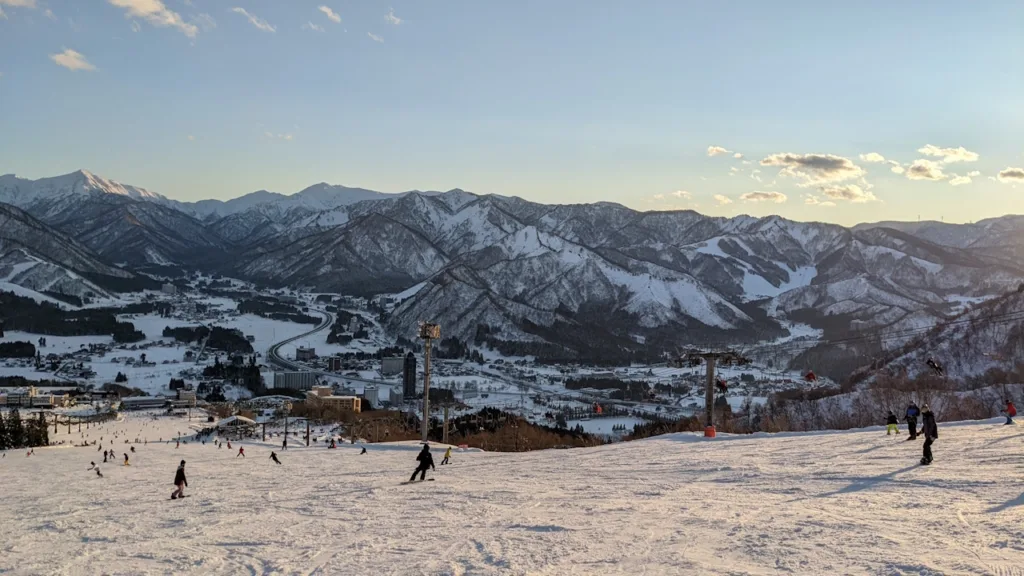
One of Japan’s largest ski resorts spans 134 hectares with 24 varied courses. Direct connection to Naeba Prince Hotel enables true ski-in/ski-out lodging. World Cup mogul runs and the weather-dependent Splash Bowl expert area provide serious challenges. The resort’s policy of free lift tickets for elementary students makes it particularly attractive for families. Premium facilities and extensive terrain justify multi-day visits for those wanting comprehensive resort experiences.

Iwappara: Beginner-Friendly Wide Slopes
Founded 1931, this resort celebrates over 90 years operation. The defining characteristic is extraordinary width—600-meter-wide main slopes with gentle 10-degree average pitch. This expansive beginner terrain earns consistent praise from instructors and learners. The 634-meter Soriland ranks as Japan’s largest sledding facility, while the snow playground and Kids Paradise create comprehensive family recreation. Twenty courses distribute as 40 percent beginner, 40 percent intermediate, 20 percent advanced, with a 4,000-meter maximum run.
Kandatsu Snow Resort: Night Skiing Specialist
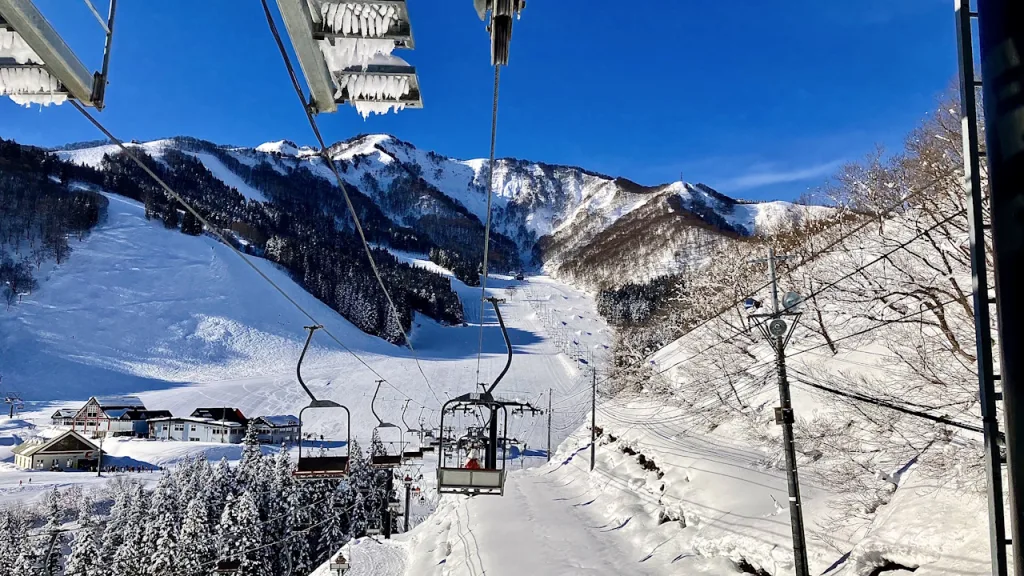
Positioned five minutes from Yuzawa Interchange, Kandatsu emphasizes extended hours with late-night operations attracting after-work skiers. The renovated GROUND BASE facility houses Kami-no-Yu (God’s Water), the Yuzawa area’s largest observation bath. North-facing slopes receive natural snow exclusively, ensuring consistent quality. Sixteen courses pack variety into compact layout, while night skiing extends operating hours well beyond most competitors.
NASPA Ski Garden: Skiers-Only Paradise
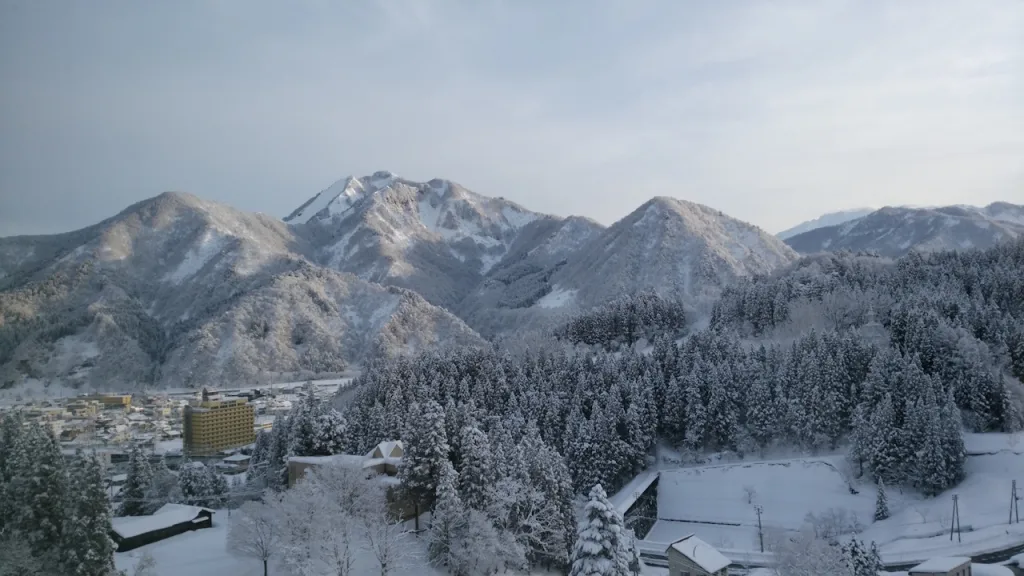
This skier-exclusive resort prohibits snowboarding, creating calmer slope conditions that appeal to families, beginners, and senior skiers. Hotel connection provides convenience, while 2,000-vehicle free parking removes common cost concerns. The dedicated clientele appreciates the more relaxed pace that single-sport focus enables.
Yuzawa Nakazato Snow Resort: Easy Access for First-Timers
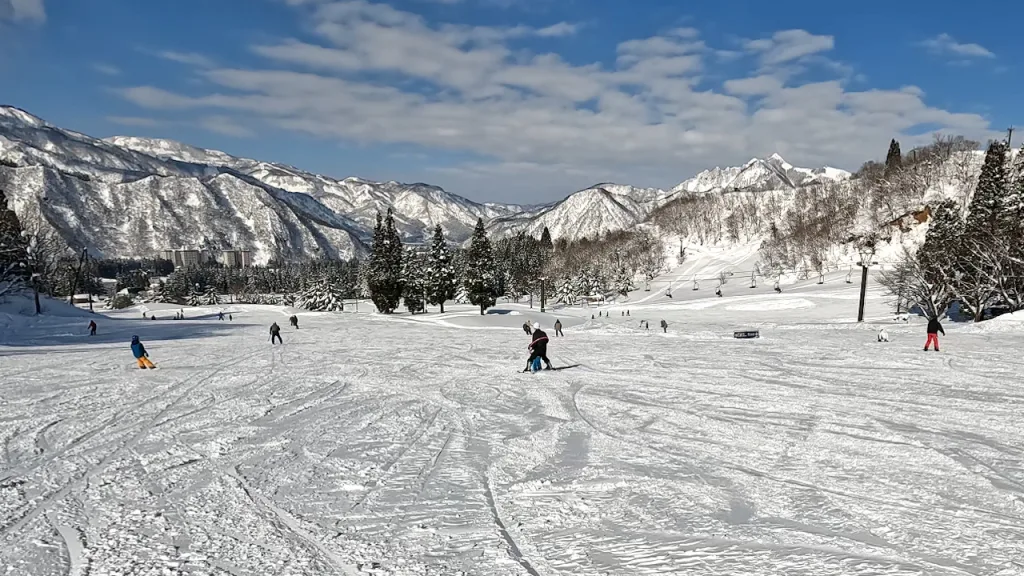
Direct connection to JR Echigo Nakazato Station provides train access rivaling GALA Yuzawa’s convenience. Sixteen courses emphasize beginner and intermediate terrain, making first-time experiences less intimidating. Free shuttles from Echigo Yuzawa Station maintain accessibility for those staying in the main town. The approachable atmosphere suits those testing whether winter sports appeal before committing to more challenging terrain.
Connecting the Yuzawa Ski Network
Free shuttle networks interconnect these resorts, enabling multi-resort sampling during extended stays. The concentration of diverse facilities within small geographic area creates unusual depth for a secondary ski region, offering variety that challenges much larger mountain destinations.
Echigo Yuzawa Hot Spring Town
Traditional Onsen Experience
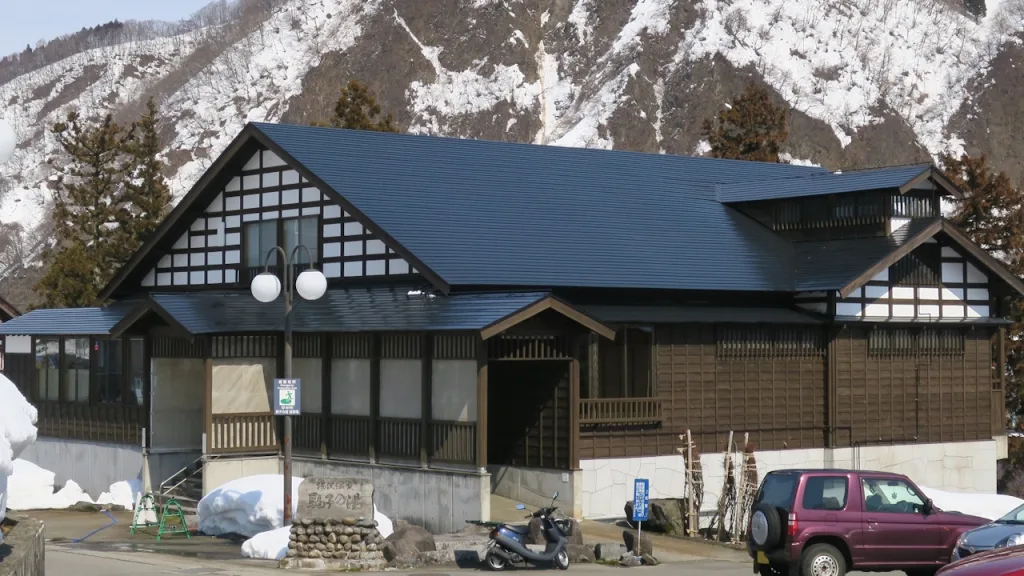
Beyond slopes, Echigo Yuzawa town provides traditional onsen town atmosphere. Historic ryokan offer day-use bathing, providing authentic hot spring experiences distinct from resort facilities. The town gained literary fame as setting for Yasunari Kawabata’s novel “Snow Country,” with Yukiguni-kan museum exploring the work’s context and influence. Literary tourists find cultural depth complementing athletic pursuits.
Ponshukan Sake Museum: Taste Niigata’s Brewing Heritage
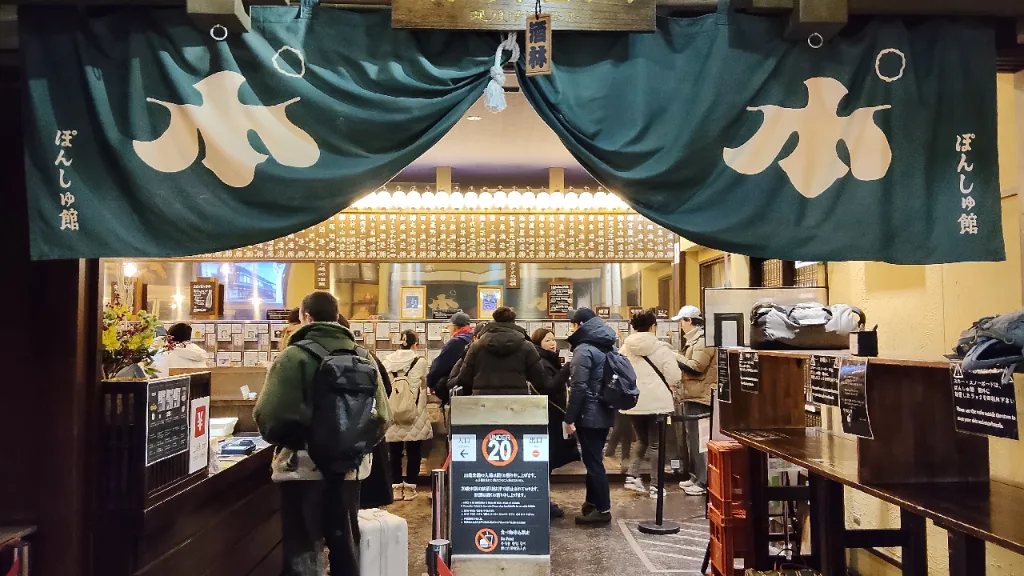
Ponshukan sake museum at Echigo Yuzawa Station merits visit. For 500 yen, visitors receive five tokens and an ochoko cup to sample from nearly 100 Niigata sake varieties. The tasting format encourages exploration of regional brewing styles, with purchase options for discovered favorites. Additional features include salt tasting, massive “bakudan” onigiri rice balls, koji-based drinks and sweets, plus sake-infused baths creating comprehensive sake culture immersion.
Hegi Soba: Regional Noodle Specialty
Hegi soba represents essential local cuisine. This buckwheat noodle preparation uses funori seaweed as binding agent, creating distinctive texture and throat-feel. The technique originates specifically from this region, making authentic versions rare elsewhere. Post-skiing meals featuring local ingredients and sake provide cultural context for the winter sports experience.
Planning a Visit with a Personal Tour Conductor
GALA Yuzawa delivers on its promise of convenient ski access from Tokyo. The Shinkansen connection removes traditional barriers of distance and logistics, enabling spontaneous winter escapes. Station integration with rental and slope facilities creates seamless transitions from train to snow. For first-time Japan ski visitors or those wanting hassle-free day trips, few options compete.
Yet navigating an unfamiliar ski resort in a foreign country presents challenges beyond just reaching the destination. Language barriers, local customs, and unexpected situations can diminish the experience. This is where professional tour conductor services transform good trips into exceptional ones.
Imagine arriving at GALA Yuzawa with an experienced English-speaking tour conductor managing the details. Equipment rental becomes smooth communication rather than gesture-based guessing. Lunch recommendations come from local knowledge rather than hoping the picture menu matches reality. If weather suddenly deteriorates or a minor injury requires attention, your conductor handles arrangements and translation.
Tour conductors specialize in itinerary management, emergency response, and smooth coordination—not guiding services. They arrange shuttle buses if plans change, coordinate with facilities when issues arise, and ensure your ski day remains enjoyable rather than stressful. For groups mixing experienced and novice skiers, a conductor can coordinate meeting times and locations, handle separate dining preferences, and ensure everyone reunites for the return train.
Consider the added value when traveling with elderly family members, young children, or anyone with special needs. A tour conductor anticipates requirements, communicates them to facilities, and ensures appropriate accommodations. This support proves particularly valuable in winter environments where cold and snow compound communication difficulties.
For those planning multi-day skiing across several Yuzawa resorts, a tour conductor manages complex logistics. They coordinate shuttle timings between mountains, handle multi-resort lift tickets, and adjust plans when weather affects specific areas. Rather than spending vacation time deciphering bus schedules, you ski while your conductor manages operations.
Professional tour conductors understand Japanese ski resort culture and etiquette, preventing accidental faux pas that could sour interactions. They know which facilities offer best value, how to navigate crowded periods efficiently, and when to adjust plans for optimal experiences. This expertise comes from specialized training and local knowledge that casual visitors cannot easily replicate.
If you’re interested in exploring GALA Yuzawa or other Japanese ski destinations with professional support, tour conductor services provide that essential coordination and peace of mind. The service focuses on making your trip smooth and enjoyable by handling the logistical complexities, allowing you to concentrate on the skiing, scenery, and cultural experiences that make Japanese winter sports destinations special.
Essential Facility Information
| Detail | Information |
|---|---|
| Facility Name | GALA Yuzawa Snow Resort |
| Ski Season | Mid-December to early May (approximately) |
| Address | 1039-2 Kayahira, Yuzawa, Yuzawa-machi, Minami-Uonuma-gun, Niigata 949-6101 |
| Access from Tokyo | JR Joetsu Shinkansen to GALA Yuzawa Station (approximately 75-90 minutes) |
| Access from Echigo Yuzawa | Free shuttle bus (approximately 10 minutes) or local train (2 minutes, 250 yen) |
| Elevation Range | 358-1,181 meters |
| Total Courses | 16 courses (35% beginner, 45% intermediate, 20% advanced) |
| Longest Run | 2,500 meters (Falcon course) |
| Operating Hours | Varies by season and area |
| SPA GALA-NO-YU | Hot spring facility on 3rd floor with baths and fitness pool |
| Parking | Available |
GALA Yuzawa emerged from an unlikely origin—a maintenance worker’s observation of a hillside—to become Japan’s most accessible ski resort. The Shinkansen connection eliminates the typical separation between urban life and mountain recreation, making winter sports genuinely accessible for those with limited time. Whether you’re taking advantage of the revolutionary 75-minute connection from Tokyo or basing yourself in Echigo Yuzawa for multi-day exploration of the area’s numerous resorts, GALA Yuzawa represents a uniquely Japanese approach to ski resort development that prioritizes convenience without sacrificing quality.
🎿 Ready to Experience Japan’s Most Convenient Ski Resort?
Book your GALA Yuzawa lift tickets and rental packages on Klook for instant confirmation and exclusive deals!
Or if you are looking for more private and comfort, you can use a kkday deal of hiring a van with a GALA Yuzawa tickes below.