

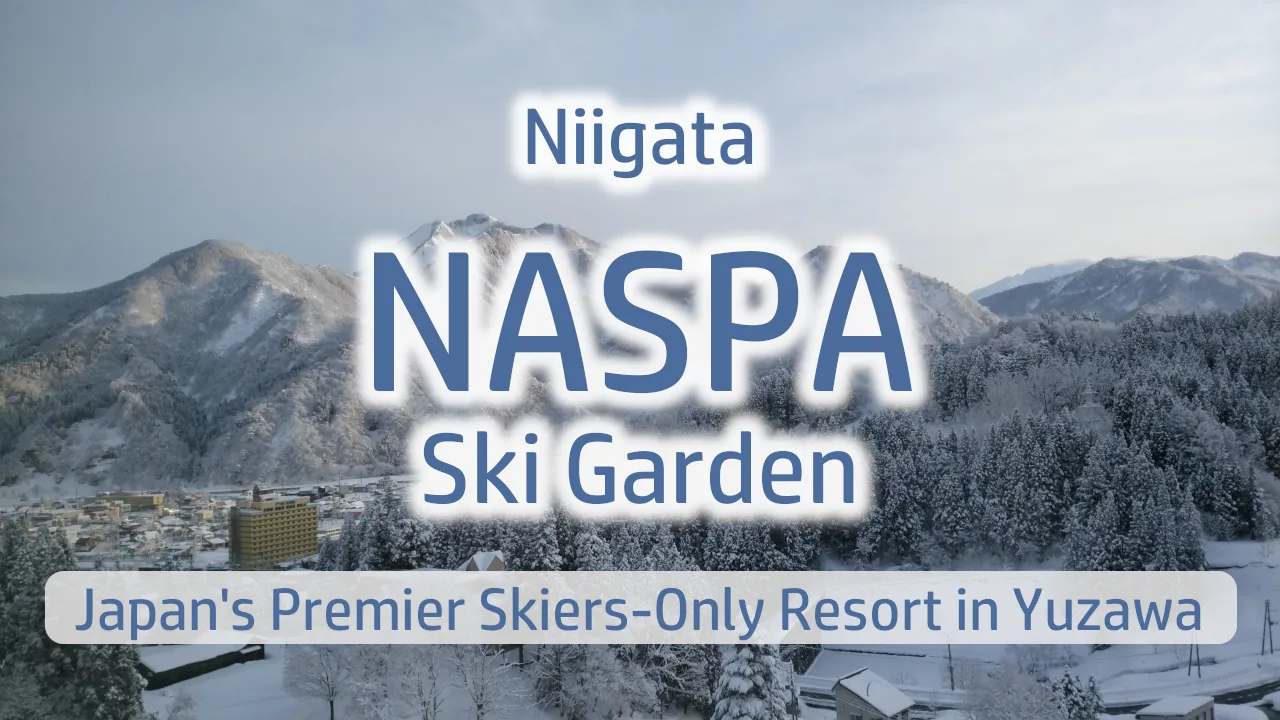
Tucked into the snowy heart of Niigata Prefecture, NASPA Ski Garden stands out as one of Japan’s most distinctive winter getaways. As one of the country’s few remaining skiers-only mountains, this family-focused resort delivers an unbeatable mix of safety, convenience, and authentic Japanese hospitality—all just 90 minutes from Tokyo.
The Skiers-Only Trade-Off
Here’s the thing about NASPA: if you snowboard, this isn’t your mountain. The resort maintains a strict skiers-only policy, and in Niigata’s Yuzawa region, only three resorts still hold this line. It’s a rare find these days, which makes NASPA special for families with young kids and nervous beginners who appreciate predictable slope traffic. But snowboarders will need to look elsewhere—luckily, the area’s packed with boarder-friendly alternatives, most just a quick shuttle ride from Echigo-Yuzawa Station.
The resort’s intimate scale is perfect for keeping tabs on your kids, but advanced skiers hunting for massive terrain might find it limiting. Day-trippers should know that facilities lean heavily toward overnight hotel guests—day lockers are outside, separate from the cushy hotel setup.
Sitting between 430 and 690 meters, NASPA runs lower than many Japanese resorts. Come late season or during a warm winter, and the snow can get heavy fast. For the best powder, aim for January through February when winter’s in full swing.
Born in the Bubble, Built to Last
NASPA’s story starts in 1992, right as Japan’s economic bubble was deflating. The resort was dreamed up during the wild development days of the late ’80s, when ambitious resort projects sprouted across Japanese mountains like mushrooms after rain. The name itself—”Nature And Sports Personal Area”—captures that optimistic bubble-era spirit perfectly.
Planning kicked off in 1987 when the bubble was still inflating. Developers envisioned a full-service resort pairing luxury lodging with world-class skiing. By the time Hotel NASPA New Otani opened its doors alongside the slopes in 1992, Japan’s economic landscape had already shifted dramatically.
While countless ski resorts collapsed or struggled through the post-bubble years, NASPA survived thanks to some smart advantages: the New Otani brand carried serious weight, Tokyo sat conveniently close, and the skiers-only positioning carved out a protected niche. That policy, in place from day one, created a unique identity that shielded the resort from cutthroat competition.
Three decades on, NASPA has transformed from a bubble-era project into a respected family destination. The HRT New Otani partnership keeps service standards high—guests consistently rave about the quality. Adding Pingu to the branding mix in recent years was genius, creating a warm, welcoming vibe that sets NASPA apart from bigger, more impersonal mountains.
Today, NASPA represents something rare: a bubble-era resort that actually figured out how to adapt and thrive, maintaining that signature Japanese attention to detail while serving a clearly defined audience.
Getting There Is Half the Fun
NASPA’s location is ridiculously convenient. The resort sits just 2.5 kilometers from Yuzawa Interchange on the Kan-Etsu Expressway—literally five minutes after you exit. Minimal winter driving means less stress for anyone who’s not confident on snowy roads, making it ideal for families with young kids.
Parking holds 2,000 cars and won’t cost you a yen. Even on packed weekends, the generous space usually saves you from parking headaches. The flat lot sits close to the base, so you’re not hauling gear across the tundra.
Train access is just as slick. The Joetsu Shinkansen rockets from Tokyo Station to Echigo-Yuzawa in roughly 90 minutes on the fastest trains, with most services clocking under two hours. Free shuttle buses meet major train arrivals and zip you to the resort in three minutes flat.
This convenience makes genuine day trips from Tokyo totally doable. Leave early, ski all day, and you’re home the same night. Combine high-speed rail with the shuttle, and you don’t even need a car—perfect for international visitors and anyone who’d rather not drive.
Echigo-Yuzawa Station serves as the region’s hub, with shuttles fanning out to GALA Yuzawa, Ishiuchi Maruyama, Yuzawa Kogen, and more. Base yourself at NASPA and you can easily sample multiple mountains during a longer trip.
Why Skiers-Only Actually Matters
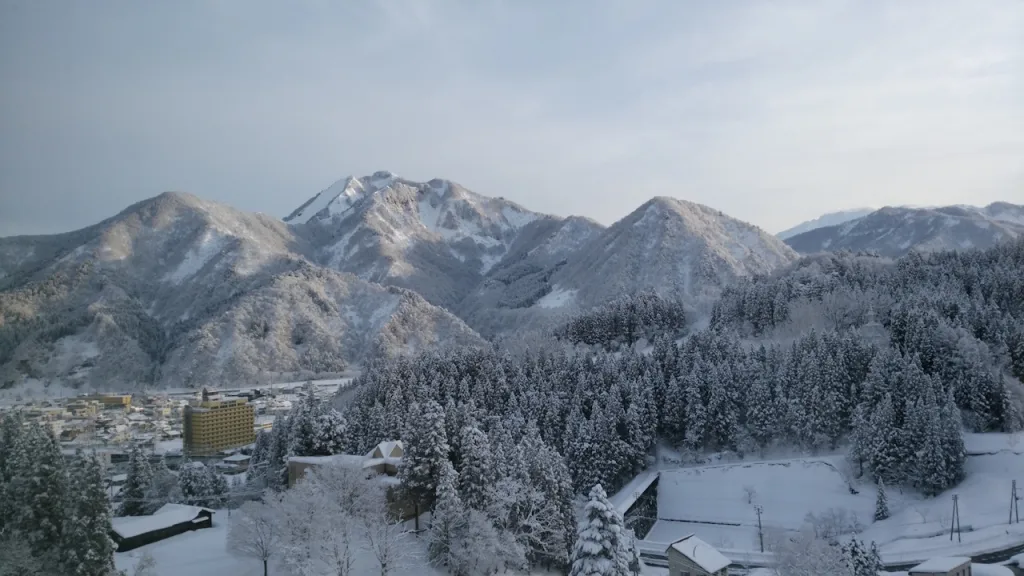
The skiers-only policy fundamentally changes the mountain experience. In Niigata’s Chuetsu region, only three resorts ban snowboards completely: NASPA, Ipponsugi, and Gokamachi. This rarity makes NASPA especially valuable for safety-conscious families.
Collision risk drops significantly when everyone moves the same way. Skiers follow predictable patterns—snowboarders, with their wider turning radius and different falling dynamics, create less predictable slope traffic. For parents teaching kids or beginners still mastering speed control, knowing everyone follows similar movement patterns seriously reduces anxiety.
The trail layout amplifies this safety through brilliant design: every run eventually funnels back to the hotel base. You literally can’t take a wrong turn and end up lost. This setup is gold for families with kids at different levels who might get separated—everyone knows exactly where to reunite.
Course distribution favors beginners hard: 40% novice terrain, 30% intermediate, 30% advanced. Learning skiers get plenty of space to practice without feeling squeezed by aggressive skiers fighting over limited beginner runs. Gentle slopes let you attempt new techniques repeatedly without intimidation.
Eight distinct runs serviced by five lifts create a compact but smartly designed mountain. Parents can often maintain visual contact with kids on nearby trails—impossible at sprawling multi-mountain complexes. Young skiers build confidence knowing they can’t wander into unfamiliar territory.
Serious snowmaking technology maintains consistent conditions across all trails. Professional grooming keeps surfaces smooth and predictable, cutting down on surprise hazards. This reliability matters hugely for beginners whose limited skills make adapting to variable conditions tough.
The Long Run That Makes It All Worth It
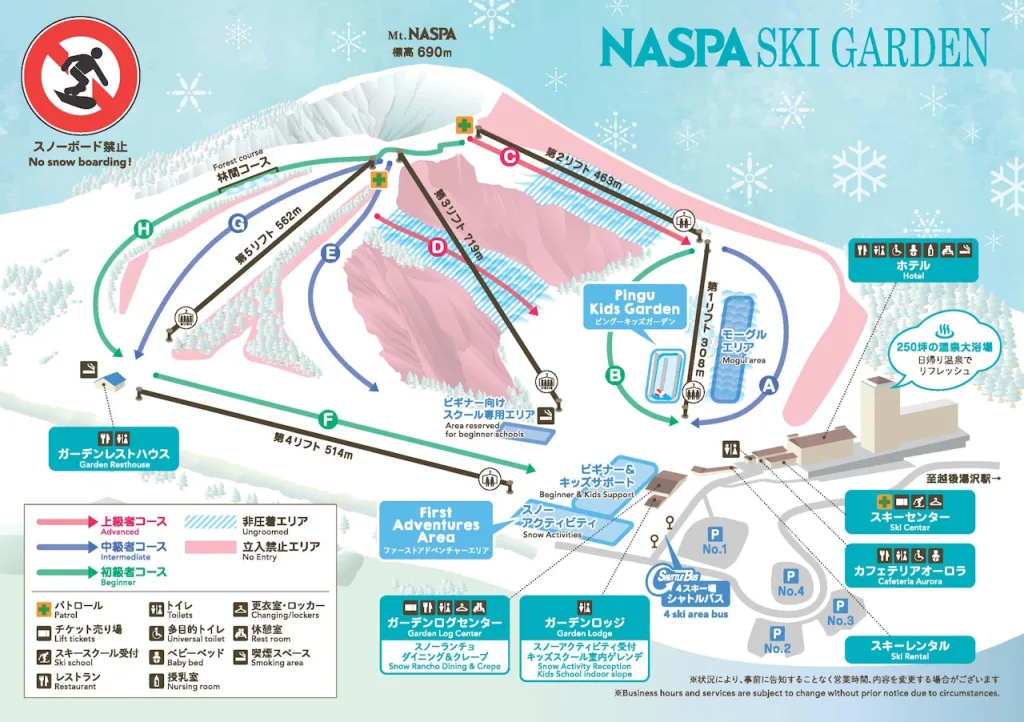
NASPA’s signature experience? The 2,200-meter top-to-bottom cruise that even confident beginners can handle. The Swad Lift (Lift 3) whisks you to the 690-meter summit, where the long descent back to the hotel begins. This extended run delivers genuine mountain skiing without requiring expert chops.
From up top, views stretch across the Tanigawa range and Echigo Sanzan peaks. On clear winter days, the panorama showcases the dramatic alpine landscape defining this region. The scenery adds emotional weight to the physical achievement of reaching the summit.
What makes this run brilliant is its thoughtful design. Rather than holding a constant pitch, the trail weaves through varied terrain that keeps things interesting all the way down. Gentle sections offer recovery and speed-control practice, while moderate pitches provide just enough challenge to feel accomplished. The roughly two-kilometer journey typically takes beginners 15-20 minutes—satisfying expedition vibes without exhaustion.
Intermediate and advanced skiers find their thrills in specialized terrain. The mogul field develops bump skills with consistently maintained bumps that let you progress from smooth sections to tighter challenges. Ungroomed zones preserve natural snow conditions, offering a taste of off-piste in a controlled environment. These areas catch fresh powder after storms, giving intermediate skiers a chance to experience that floating-through-light-snow sensation.
The steepest terrain maxes out at 38 degrees, genuinely testing advanced technique. This pitch demands precise edge control and confident turning—a real challenge for expert skiers who might otherwise find the mountain tame. Advanced skiers use this terrain for training, refining carving technique, and practicing high-speed control.
Lift efficiency keeps wait times reasonable. Two high-speed quads, one triple, and two doubles create multiple access points to different mountain zones. Those high-speed quads seriously cut upload time, packing more runs into your day. Even busy weekends avoid the bottlenecks you get at single-access resorts.
Pingu’s Kingdom: Where Kids Rule
NASPA goes all-in on families with purpose-built kids’ facilities. The Pingu Kids Garden, starring everyone’s favorite penguin, creates a dedicated snow play zone separate from the main skiing terrain. Kids not yet ready for lift-served skiing can still dive into winter magic in a controlled, entertaining space.
The centerpiece? A snow escalator—basically a moving carpet that hauls kids and sleds uphill without the exhausting climb. This simple innovation dramatically extends playtime since kids can take run after run without burning out. Young visitors often spend hours sledding, building stamina and developing a love for winter sports that might lead to skiing down the road.
Sled variety keeps things fresh. Different types—traditional wooden designs, modern plastic models, innovative sled bikes—let children experiment with speed and control. This diversity transforms repetitive sledding into exploration where kids test different gear and techniques.
The garden runs 9:30 AM to 4:00 PM, with flexible pricing. Full-day admission costs 2,000 yen for kids aged two and up, while a half-day pass (valid 3 hours 45 minutes from purchase) runs 1,500 yen. These dedicated tickets are separate from ski lift passes, ensuring the space stays reserved for appropriate ages. Kids under two need guardian supervision at all times.
Inside Hotel NASPA New Otani, the “Pingu fun! fun! Kids Room” extends the penguin experience indoors. This climate-controlled play space offers refuge during harsh weather or when kids need a break from outdoor cold. Pingu-themed toys, books, and activities keep children occupied while parents rest or handle logistics.
The First Adventure Area supports kids making their skiing debut. Purpose-built teaching zones with super-gentle slopes and dedicated instructors help young skiers develop fundamentals. Progression programs guide children from snow familiarization through basic gliding and turning, using games that disguise skill-building as play.
A free kids park supplements the paid facilities, offering open space for families bringing their own sledding gear—a no-cost option for budget-conscious families while still providing snow play access.
Ski-In, Ski-Out Living Done Right
The physical connection between Hotel NASPA New Otani and the slopes defines the experience here. You walk directly from hotel hallways onto snow, wearing ski boots through dedicated entrances built for exactly this purpose. This ski-in/ski-out setup eliminates the transportation logistics that complicate stays at most other resorts.
Hotel guests get complimentary all-day lift access baked into their accommodation package. This flips the economics of a ski vacation—lift tickets, usually a major daily expense, require zero additional purchase. Families ski whenever they want without calculating ticket value or feeling pressured to maximize limited time. The freedom to grab a morning run before breakfast, return for lunch, then ski again in the afternoon creates a relaxed vacation rhythm impossible at resorts requiring ticket purchases.
The bathing facilities are exceptional. Gender-separated main baths each span roughly 250 square meters, creating spacious, luxurious soaking environments. The natural hot spring water—classified as weak alkaline simple spring—soothes the muscle soreness that inevitably accompanies skiing. The mineral content reportedly helps with muscle pain, nerve pain, and general fatigue. Multiple pools at different temperatures let you customize your bathing experience.
Pool and fitness facilities provide alternative activities. Season pass holders and their companions score discounted admission, encouraging wellness routines beyond skiing. Families with non-skiing members particularly appreciate these options—everyone stays engaged during the stay.
Guest rooms accommodate varied family setups and budgets. Standard Japanese-style rooms with tatami flooring and futon bedding offer authentic cultural immersion, while Western-style rooms with beds suit folks preferring familiar sleeping arrangements. Larger suites fit extended families or groups traveling together. Regardless of category, New Otani’s reputation for cleanliness and maintenance ensures comfortable, well-appointed spaces.
Mountain Dining: Fueling Your Day on the Slopes
NASPA spreads dining options across the resort, each venue serving distinct menus and vibes to satisfy different tastes and needs throughout your skiing day.
Cafeteria Aurora
Perched on the fourth floor of Hotel NASPA New Otani’s main building, Aurora blends hotel-quality cuisine with slope-side convenience. The elevated setting delivers a more refined atmosphere than typical ski resort cafeterias.
The star attraction? Beef stew, slow-cooked until the meat practically dissolves, swimming in rich demiglace sauce. This uncommonly sophisticated dish for a ski resort has developed legendary status among regulars. Fair warning though—popularity means it sells out early. Hit Aurora before the lunch rush hits and you’ll actually score some.
Beyond the famous stew, Aurora serves diverse options: curry rice, pasta dishes, donburi rice bowls—basically something for every appetite. The hotel restaurant setting allows more leisurely meals compared to quicker slope-side spots. Hours: 11:00 AM to 4:00 PM (last order 3:30 PM).
Snow Rancho Dining & Crepes
Tucked inside the Garden Log Center at the base area, this spot delivers quintessential slope-side convenience. Skiers roll in directly from the snow in their boots, grab quick fuel, and get back to skiing with minimal interruption.
The katsu curry plate exemplifies hearty mountain food done right: crispy breaded cutlet over perfectly cooked Uonuma Koshihikari rice (recognized as Japan’s finest rice), drowned in spicy curry sauce. This substantial portion refuels energy burned by active skiing.
Hawaiian-inspired plates including teriyaki egg hamburger and loco moco appeal to diverse palates—juicy burger patties, fried eggs, rice. These fusion dishes bridge Japanese and Western tastes while delivering the calories active skiers demand.
The crepe counter satisfies afternoon sweet cravings, perfect for families with kids or anyone wanting dessert between runs. Window seats overlook the slopes—watch the skiing action while resting. Hours: 11:00 AM to 4:00 PM (last order 3:30 PM).
Garden Rest House
Positioned at the Lift 4 unload mid-mountain, this rest house serves skiers who’d rather not descend all the way to base for lunch. The convenience factor—grabbing food without losing vertical—appeals to anyone maximizing ski time.
Hot noodle soups dominate the menu: ramen, udon, soba options provide warming comfort on frigid days. Steaming bowls restore core body temperature and deliver quick energy for afternoon sessions.
Rice dishes and curry options accommodate folks seeking more substantial meals. Despite the mid-mountain location, menu variety stays impressive—nobody leaves hungry. Hours: 11:00 AM to 4:00 PM (last order 3:30 PM).
Restaurant Fontana
Also on the hotel’s fourth floor, Fontana provides the most refined dining available at the resort. The atmosphere steps up from the cafeteria, offering a more formal setting for special meals.
The menu emphasizes regional ingredients, showcasing Niigata’s agricultural and culinary heritage. Uonuma Koshihikari rice anchors many dishes, supplemented by local vegetables, river fish, and seasonal specialties. This terroir focus gives diners authentic tastes of regional food culture.
Limited lunch-only hours demand planning. Hours: 11:30 AM to 2:00 PM (last order 1:30 PM). The early closure means interested diners need to prioritize lunch timing rather than fitting meals around skiing convenience.
Important heads-up: all restaurants stop serving by mid-afternoon, typically around 3:30-4:00 PM. Planning to stay on slopes until closing? Eat earlier to avoid finding everything shut down.
Gear Without the Guesswork
NASPA’s rental setup operates on a unique “brand buffet” concept that transforms the typical rental experience. Rather than getting stuck with whatever equipment you’re initially assigned, you can swap skis, boots, or poles multiple times during operating hours at no extra charge. This flexibility is genuinely revolutionary in Japanese ski resort rentals.
The swap ability enables experimentation and refinement. Start with all-mountain skis, then switch to shorter beginner-friendly models if feeling uncertain, or upgrade to higher-performance skis after warming up. This trial-and-error process helps you discover what actually suits your ability and preferences rather than accepting whatever you initially grabbed.
Major brand equipment fills the inventory—not generic rental models, but actual skis from recognized manufacturers: carving skis, short skis, various specialty options. The quality matches retail shop standards, elevating the experience beyond basic functionality.
Professional fitting staff provide crucial guidance. Boot fit matters enormously—poorly fitted boots cause pain, tank performance, and create safety hazards. Experienced staff assess foot shape, skiing ability, and personal preferences to recommend appropriate options, then verify proper fit before you head out. This expertise prevents the foot pain that ruins many beginners’ early experiences.
Clothing rentals match equipment quality. Current-season designs and color options let you look stylish on the mountain without owning expensive ski apparel. Complete outfitting means international visitors or casual skiers can arrive with minimal luggage, renting everything needed for proper skiing.
The S-B-B System (Ski Binding Adjustment System) ensures safety. Technicians calibrate binding release settings based on your weight, height, ability level, and boot size. Proper adjustment allows bindings to release during falls—preventing leg injuries—while maintaining security during normal skiing. This professional setup significantly cuts injury risk. Hours: 8:00 AM to 5:15 PM, extended during night operations.
Beyond Skiing: Alternative Snow Adventures
NASPA diversifies winter experiences with activities beyond traditional skiing, creating entertainment for varied interests and abilities within your crew.
Snow Rafting
Large rubber rafts towed by snowmobiles create adrenaline-pumping rides across snow-covered slopes. Drivers deliberately whip the raft side-to-side, catching air over terrain features. Screaming, laughing riders cling to handles as the raft slides, bounces, and occasionally threatens to flip. Zero special skills required—just willingness to embrace controlled chaos. Particularly popular with families since kids and adults share genuine excitement regardless of skiing ability.
Snowmobile Driving Experience
Under instructor supervision, you pilot snowmobiles around designated courses. These powerful machines respond instantly to throttle, surging across snow with exhilarating acceleration. For many guests, especially from regions without winter sports, controlling such vehicles represents a novel thrill. Safety briefings and course restrictions keep things controlled, but within those boundaries, you feel genuine freedom and power.
Snow Night Buggy Tour
After regular skiing wraps, four-wheel ATVs carry guests up the darkened mountain. Night transforms the familiar resort into an otherworldly landscape of shadows and starlight. Away from Tokyo’s light pollution, the winter sky reveals countless stars impossible to see in urban areas. The silence broken only by engine noise and crunching snow creates an almost meditative experience. Tours require advance reservations and depend on weather, but they offer perspective on the mountain’s beauty beyond daytime skiing.
These activities carry separate charges beyond lift tickets but provide memorable variety. Non-skiers traveling with skiing family members find particular value—these activities create shared adventures everyone enjoys together.
Level Up Your Skills
SAJ (Ski Association of Japan) certified instructors run the resort’s official ski school, providing internationally recognized instruction. Lessons are available for all ages and abilities, from first-timers taking initial sliding steps to advanced skiers refining competition techniques.
Kids’ lessons emphasize playful learning. Instructors weave in games, challenges, and imaginative scenarios that keep young students engaged while building fundamental skills. This approach develops positive associations with skiing rather than frustrating children with technical demands beyond their developmental readiness. Many families return annually specifically because their kids’ initial lessons created enthusiasm rather than fear.
Private lessons offer intensive, customized instruction. One-on-one attention lets instructors identify specific technical issues and design targeted corrections. Private lessons accelerate learning far more efficiently than group instruction, making them valuable for visitors with limited time who want maximum improvement. Family group lessons maintain the private instruction benefits while letting family members learn together and support each other’s progress.
Experienced instructors quickly diagnose problems invisible to students. That slight weight distribution error causing consistent falling? Obvious to trained eyes. Correcting these fundamental issues early prevents developing ingrained bad habits that become tough to fix later. Proper technique also reduces injury risk—correct form naturally distributes forces in ways protecting joints and reducing fall severity.
Reservations are highly recommended, particularly during peak periods. Advance booking guarantees instructor availability and preferred time slots. Contact the resort via website or phone to arrange lessons before arrival.
Choosing Your Adventure Style
NASPA accommodates both day visitors and overnight guests, each approach offering distinct advantages.
Overnight Stays for Maximum Immersion
Hotel guests enjoy the included lift pass benefit—zero daily ticket purchases required. Freedom to ski whenever desired creates relaxed vacation pacing impossible with time-limited day trips. Skiing before breakfast when groomed slopes are empty, taking midday breaks in your room, returning for afternoon runs—this flexibility defines overnight life.
Repeated hot spring access after each skiing session accelerates physical recovery. Evening soaks ease tight muscles, improving readiness for the next morning. Multiple bathing opportunities throughout your stay become therapeutic ritual enhancing overall vacation quality.
Dinner and breakfast included in many accommodation packages eliminate meal planning concerns. Buffet dining provides variety satisfying diverse tastes within your group. The hotel environment after skiing hours—maybe the Pingu Kids Room for children, the lounge for adults, or simply room relaxation—extends the vacation experience beyond skiing itself.
Multi-day stays also allow weather flexibility. If conditions tank one day, you can modify plans without wasting non-refundable day passes. Explore Echigo-Yuzawa attractions, use hotel facilities, or simply rest, knowing you have additional ski days available.
Day Trips for Efficient Adventures
Tokyo proximity makes NASPA viable for same-day returns. Departing early morning, skiing from opening through mid-afternoon, catching evening trains home—this creates satisfying single-day adventures without accommodation costs. This efficiency appeals to budget-conscious skiers and anyone unable to take extended vacations.
Day visitors still access quality facilities including lockers, changing rooms, and restaurants. The outdoor locker placement is less convenient than hotel guest facilities but remains functional. Free parking eliminates the expense calculations complicating some day trips.
Post-skiing, day visitors often hit Echigo-Yuzawa Station’s Ponshukan for sake tasting or grab souvenirs at CoCoLo before boarding return trains. The station-area attractions transform day trips into complete experiences encompassing skiing, culture, and culinary exploration.
Some travelers visit nearby day-use hot springs like Komako no Yu before departing, washing away ski residue and relaxing muscles for the journey home. These bathhouses charge modest fees but deliver authentic local bathing experiences.
Timing Your Visit Right
NASPA typically operates mid-December through late March, with exact dates dependent on natural snowfall and weather conditions. Advanced snowmaking technology allows earlier openings than natural snowfall alone would permit.
December – Early January: Season Launch
Initial weeks feature gradually expanding terrain as snowmaking progresses and natural snow accumulates. Crowds remain manageable except during New Year holiday period when Japanese domestic tourism peaks. Year-end special events include illuminated slope celebrations and traditional mochi-throwing ceremonies welcoming the new year.
Christmas period brings decorative lighting and festive atmosphere appealing to families and couples. Winter holiday ambiance enhances the skiing experience with visual beauty and celebratory spirit.
Mid-January – February: Prime Time
Peak winter’s cold temperatures deliver the finest snow quality—light, dry powder providing excellent skiing. All trails open, allowing full mountain access and the complete long-run experience from summit to base. Clear days with deep blue skies provide spectacular photography opportunities and sharp mountain views.
This period sees highest visitor volume, particularly weekends and Japanese national holidays. Advanced accommodation bookings are essential. However, the season’s height justifies crowds through optimal conditions.
March: Spring Skiing Season
Warming temperatures and stronger sunshine transform snow characteristics. Heavier, wetter snow reduces the ethereal floating sensation of mid-winter powder but creates different skiing dynamics. The wet snow’s grippy texture can actually benefit beginners still developing edge control.
Spring skiing’s mellower conditions attract families with young children. Falls into soft spring snow hurt less than winter’s harder pack. Many parents choose March for kids’ first ski experiences based on these forgiving conditions.
Spring pricing discounts make late-season visits economically attractive. Season pass perks may expand during this period as the resort encourages continued visitation. Those prioritizing value over ideal snow conditions find March skiing highly satisfying.
Lower elevation contributes to faster snowpack deterioration compared to higher resorts. By late March, coverage may thin on lower slopes, particularly during unseasonably warm years. Checking current conditions before visiting prevents disappointment.
Getting Here: The Logistics
Driving
From Tokyo, the Kan-Etsu Expressway reaches Yuzawa Interchange in roughly two hours under normal traffic conditions. Exit at Yuzawa IC and proceed 2.5 kilometers to the resort—less than five minutes of local road driving. Minimal post-highway navigation suits drivers uncomfortable with complex route finding.
From Niigata City, highway travel time runs about one hour to Yuzawa IC, then the short local drive. The route passes through scenic mountain landscapes, particularly impressive during clear winter days when snow blankets the countryside.
Parking accommodates 2,000 vehicles at zero charge. Lots open 7:00 AM to 5:00 PM, extended during night skiing. Flat parking layout and proximity to base facilities minimize walking distance and equipment carrying. Early arrival secures closer spaces, though even distant lots remain reasonable walks.
Train
Tokyo Station to Echigo-Yuzawa Station via Joetsu Shinkansen: Maximum-speed Toki services complete the journey in approximately 75 minutes, while slower Tanigawa trains require roughly 90-100 minutes. Train frequency allows flexible scheduling throughout the day.
Free shuttle buses connect the station to resort in three minutes. Buses align with major train arrivals, reducing wait times. The shuttle stops outside the station’s west exit at clearly marked bus stands with NASPA signage.
International visitors can utilize shinkansen with Japan Rail Pass coverage, making train travel economically attractive compared to expressway tolls and rental car costs. The stress-free train experience appeals to anyone preferring to avoid driving in unfamiliar conditions.
Taxi
Taxis from Echigo-Yuzawa Station cost approximately 1,000 yen for the five-minute journey. Groups of three or four passengers find taxi costs competitive with other options, particularly when carrying significant luggage complicating shuttle bus boarding.
Essential Details at a Glance
| Category | Details |
|---|---|
| Location | 2117-9 Yuzawa, Minamiuonuma District, Niigata 949-6101 |
| Operating Season | December 21, 2024 – March 31, 2025 (projected) |
| Operating Hours | 8:30 AM – 4:30 PM |
| Night Skiing | Selected dates: 5:00 PM – 7:30 PM |
| Total Courses | 8 runs |
| Lift Count | 5 (High-speed quad: 2, Triple: 1, Double: 2) |
| Longest Run | 2,200 meters |
| Vertical Drop | 260 meters (Summit: 690m, Base: 430m) |
| Difficulty Distribution | Beginner: 40%, Intermediate: 30%, Advanced: 30% |
The resort’s official website provides real-time snow reports, lift operation status, and event announcements. Checking current conditions before departure prevents wasted journeys during marginal weather.
Exploring the Yuzawa Ski Circus
NASPA’s location within the Yuzawa resort cluster enables multi-resort skiing during extended stays. The region packs in numerous ski areas, each with distinct personality. NASPA season pass holders score discounted lift tickets at several nearby resorts, making exploration economically feasible.
GALA Yuzawa Snow Resort
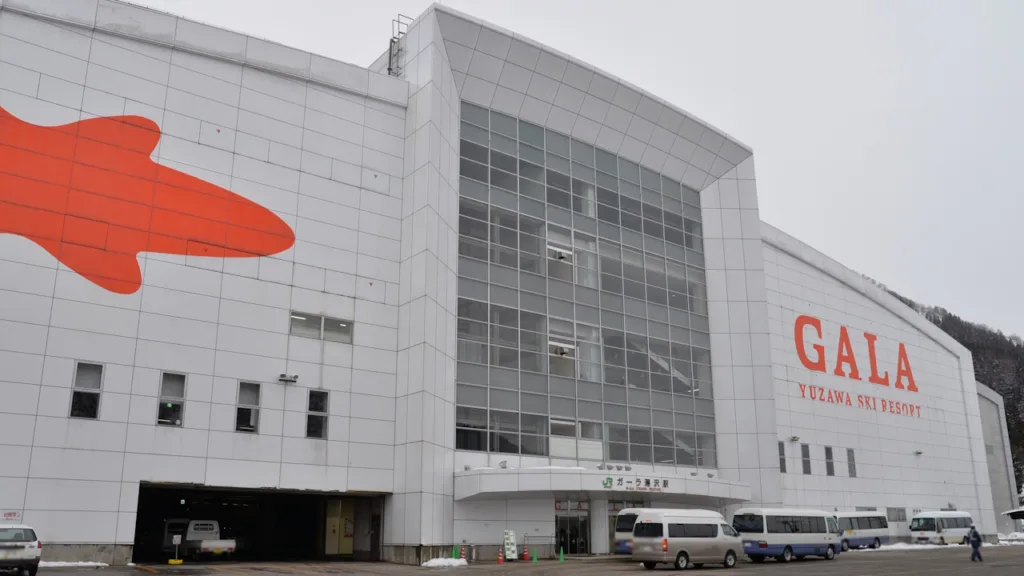
Direct shinkansen connection makes GALA Japan’s most accessible resort—literally walk from train platform to rental shop to gondola. From Tokyo, the journey takes as little as 71 minutes. Seventeen courses serve all ability levels, with extensive beginner terrain and challenging expert runs. The convenience suits day trippers wanting maximum skiing with minimal travel complexity.
Yuzawa Kogen Ski Resort
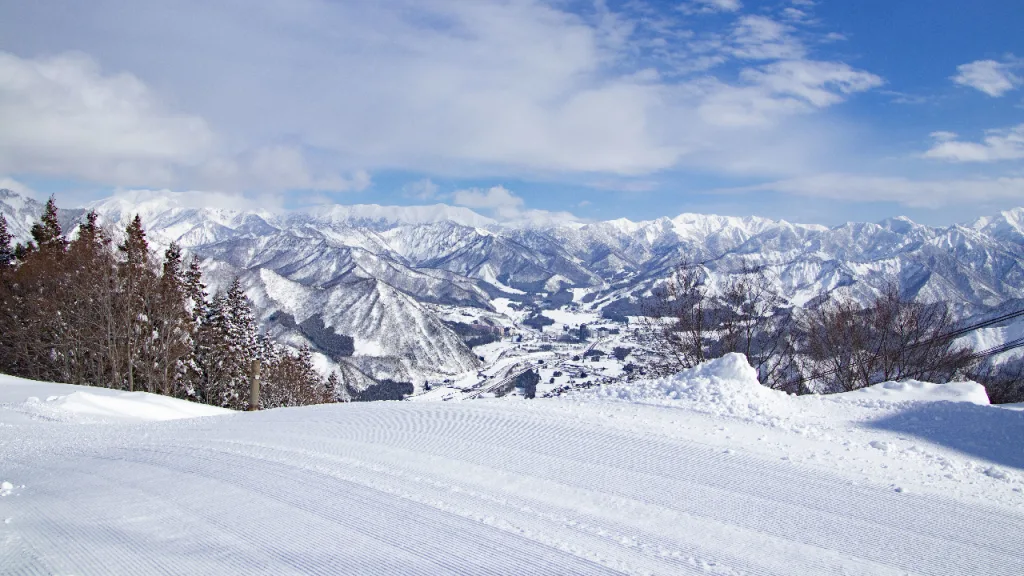
Eight-minute walk or two-minute free shuttle from Echigo-Yuzawa Station positions Yuzawa Kogen as another ultra-convenient choice. The massive 166-passenger ropeway—among the world’s largest—transports you to the summit in one dramatic ascent. From up top, lift connections to GALA Yuzawa and Ishiuchi Maruyama create a vast 48-course ski domain. Summit views of the Tanigawa and Makihata ranges are spectacular.
Ishiuchi Maruyama Ski Resort
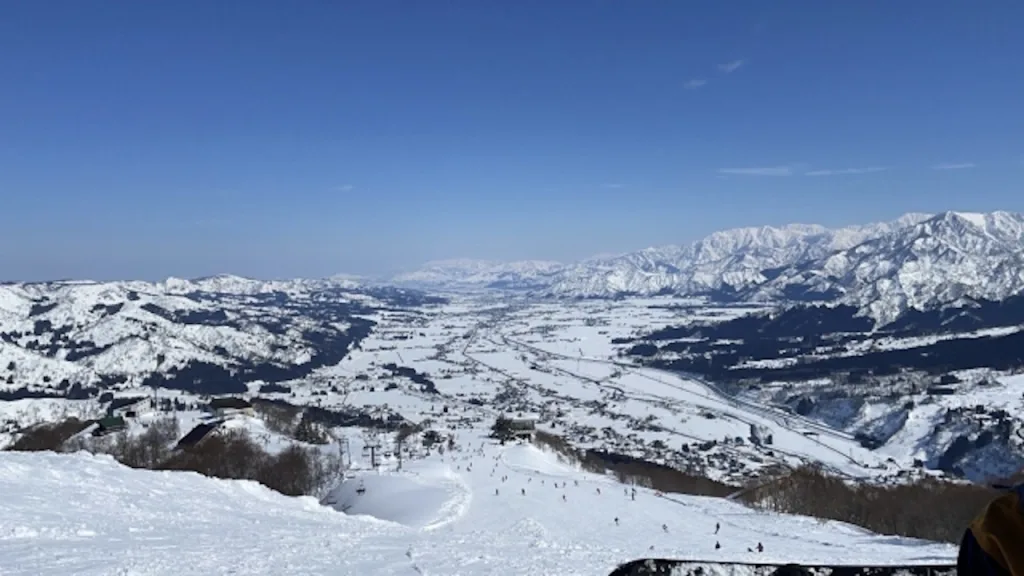
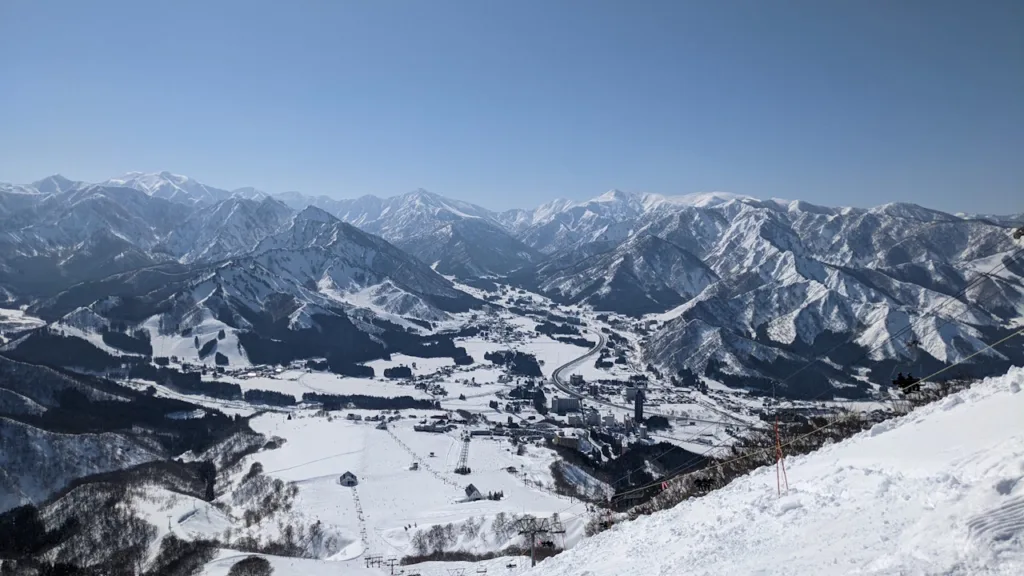
Located just one minute from Shiozawa-Ishiuchi Interchange, Ishiuchi Maruyama offers 26 courses across big-mountain landscape. The 6,000-meter maximum run provides epic top-to-bottom descents. Gondola access to the summit eliminates slow chair rides, delivering you quickly to high-elevation starting points. Terrain variety satisfies every ability level, from gentle groomers to challenging steeps.
Iwappara Ski Resort
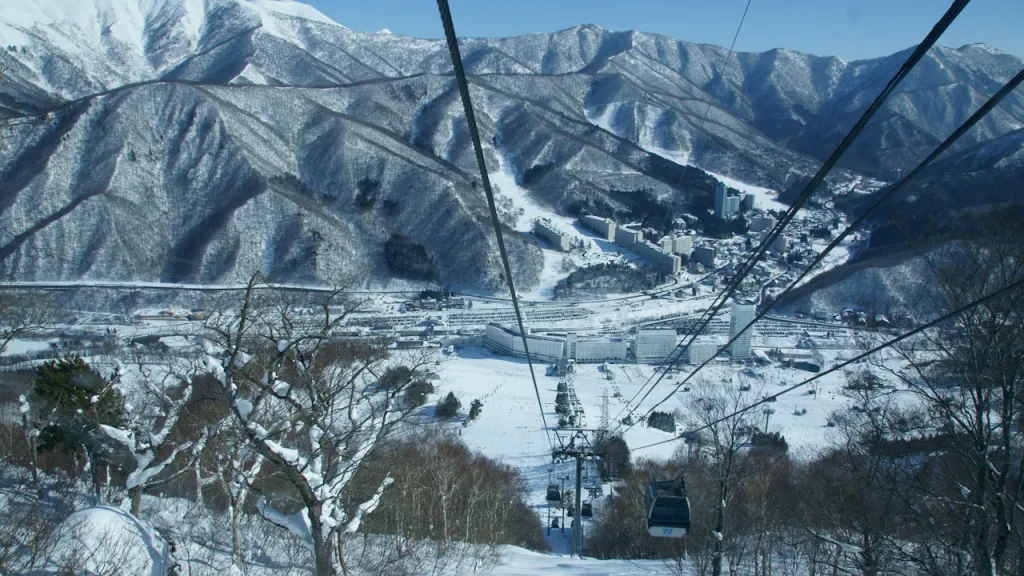
Founded in 1931, Iwappara brings nearly a century of ski history. The signature feature? That triangular main slope visible from the Kan-Etsu Expressway—an iconic wide-open face perfect for beginners practicing turns. The expansive width provides room for countless skiers without crowding, reducing collision anxiety. The kids park and sled areas rank among the region’s largest, cementing Iwappara’s family destination reputation.
Naeba Ski Resort
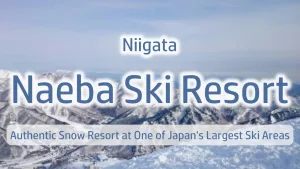
One of Japan’s most famous resorts, Naeba hosts 24 courses across impressive vertical terrain. Name recognition stems partly from hosting the annual Fuji Rock Festival in summer, but winter draws dedicated skiers to quality slopes and reliable snow. The 5,481-meter Dragondola—Japan’s longest gondola—links Naeba to Tashiro area, further expanding skiable terrain. Naeba Prince Hotel provides genuine slopeside accommodation.
Kagura Ski Resort
High elevation and northern exposure create exceptional snow quality. The season extends late November through late May—among Japan’s longest operating periods. Nearly daily powder from late December through early March establishes Kagura’s reputation among snow quality purists. Three distinct areas—Kagura, Mitsumata, Tashiro—combine into one large resort system.
NASPA season passes unlock preferential pricing at these resorts, encouraging exploration. Skiing multiple areas reveals each resort’s unique character—from GALA’s convenience to Kagura’s powder to Naeba’s scale.
Cultural Discoveries Beyond the Slopes
After skiing, Yuzawa’s cultural and culinary offerings provide engaging diversions that deepen appreciation for the region.
Ponshukan Echigoyuzawa Station
Inside the train station, this sake theme park celebrates Niigata’s brewing heritage. The tasting counter offers roughly 120 different local sakes for sampling. For 500 yen, you get five tokens, each redeemable for one sake pour. This affordable system encourages exploration across breweries and styles. Favorites discovered during tasting can be purchased at the retail shop for home consumption. The sake bath allows full-body immersion in sake-infused water—unusual photos guaranteed, plus reportedly delivers skin benefits from fermentation byproducts.

CoCoLo Yuzawa – Gangi-dori
The shopping district adjacent to Echigo-Yuzawa Station recreates traditional gangi covered walkways that protected pedestrians from heavy snow. Local food shops, souvenir stores, and restaurants fill the atmospheric corridor. “Murangottsuo” restaurant specializes in Niigata home cooking, serving regional classics like hegisoba (buckwheat noodles) and sasadango (bamboo leaf-wrapped dumplings). “Eki no Yaoya yao-ya” sells seasonal local produce, offering tastes of regional agriculture. The complex provides efficient shopping during waits for return trains.
Yuzawa Town History and Folk Museum – Yukiguni-kan
This museum preserves the legacy of Yasunari Kawabata’s novel “Snow Country,” set in Echigo-Yuzawa. The reconstructed “Kasumi no Ma” room from Takahan Ryokan, where Kawabata wrote, immerses visitors in the novel’s atmospheric setting. Exhibits detail regional history, snow country lifestyle adaptations, and traditional crafts. The museum contextualizes Yuzawa beyond skiing, revealing cultural depths often overlooked by winter sports visitors.
Komako no Yu
Named for the novel’s heroine, this day-use hot spring sits roughly 10 minutes walking from the station. Spacious indoor baths and outdoor rotenburo allow relaxed soaking after skiing. The alkaline simple spring water reportedly eases nerve pain, muscle soreness, joint pain—precisely what ski-weary bodies need. Local residents frequent the baths, creating authentic community atmosphere distinct from hotel facilities.
Lake Daigenta
In Yuzawa’s remote interior, this alpine lake provides scenic tranquility. Surrounded by mountains, particularly the dramatic Daigenta-yama peak, the lake reflects stunning landscapes. Winter access is challenging due to snow, but the frozen lake and snow-draped forests create ethereal beauty. Photographers prize the location for composition opportunities and seasonal transformations.
Savoring Yuzawa’s Food Scene
Regional food culture enhances any Yuzawa visit, with local specialties showcasing Niigata’s agricultural and culinary excellence.
Hegisoba
This buckwheat noodle specialty uses funori seaweed as binding agent, creating distinctively smooth, slippery texture unlike standard soba. Noodles are arranged in small bundles on hegi wooden trays—practical for serving and aesthetically appealing. The cool noodles traditionally come with dipping sauce plus accompaniments like wasabi and green onions. Multiple soba restaurants throughout Yuzawa each maintain their own recipes and techniques, making hegisoba sampling a delicious pursuit.
Niigata Sake
Niigata Prefecture leads Japan in brewery count, with over 90 operating breweries. The region’s soft water and premium sake rice varieties enable refined, clean-tasting sake. The dominant style is tanrei-karakuchi—crisp and dry—though individual breweries produce impressive diversity. Local breweries like Shirataki Shuzo and Tamagawa Shuzo distribute primarily within Niigata, making their products tough to find elsewhere. Winter-only namazake (unpasteurized sake) and limited-release shinzake (new sake) provide seasonal treats.
Yukiguni A-Kyu Gourmet
Yuzawa Town promotes “Snow Country A-Grade Gourmet,” highlighting local ingredients in creative cuisine. Featured ingredients include Uonuma Koshihikari rice (considered Japan’s finest), wild mountain vegetables, river fish, and yuki-shita carrot (snow-buried carrots) whose natural sugars concentrate during freezing. Restaurants throughout town incorporate these premium ingredients into traditional and contemporary dishes, showcasing how harsh winter conditions paradoxically create exceptional food quality.
Planning Your Journey with a Private Tour Conductor
Navigating Japan’s ski resorts independently presents challenges for international visitors: language barriers, unfamiliar transportation systems, and cultural differences in resort operations. While NASPA’s proximity to Tokyo and well-developed facilities minimize these obstacles compared to more remote destinations, many travelers still appreciate professional guidance to maximize their Japanese ski experience.
A private tour conductor specializing in Japan ski tourism can transform your NASPA visit from a good trip into an exceptional one. Unlike tour guides who provide sightseeing commentary, tour conductors focus on logistics management—ensuring smooth transitions between destinations, handling reservations and confirmations, and addressing unexpected complications. This support is particularly valuable for families with children, where any logistical disruption can derail the entire day.
Professional tour conductors familiar with the Yuzawa region bring invaluable local knowledge: which restaurants serve the best hegisoba, when to arrive at Ponshukan for uncrowded sake tasting, how to navigate the shuttle bus network connecting multiple ski resorts, and which discount opportunities genuinely deliver value. They understand seasonal timing, helping you schedule visits during optimal snow conditions while avoiding holiday crowd surges.
For groups interested in experiencing multiple Yuzawa resorts beyond NASPA—perhaps combining NASPA’s family-friendly environment with Kagura’s powder or GALA’s shinkansen convenience—a tour conductor coordinates the complex logistics of multi-resort skiing. They manage accommodation transitions, equipment rental at different locations, and transportation timing to minimize wasted time and maximize skiing hours.
English-speaking tour conductors bridge language gaps at rental shops, ski schools, and restaurants where English proficiency may be limited. They can explain equipment options, communicate skill levels accurately to instructors, and verify dietary restrictions for meal planning. This linguistic support extends beyond mere translation to cultural interpretation, helping international guests understand Japanese resort customs and expectations.
E-Stay Japan specializes in providing professional tour conductor services throughout Japan, including the Niigata ski region. Their experienced conductors manage your entire itinerary—from airport arrival through skiing days to departure—ensuring nothing falls through the cracks. While they don’t provide guided commentary like traditional tour guides, their logistics expertise and problem-solving abilities allow you to focus entirely on enjoying your vacation rather than navigating its complexities.
For families concerned about navigating unfamiliar terrain with children, elderly travelers who appreciate extra support, or anyone seeking a stress-reduced Japanese ski vacation, professional tour conductor services deliver peace of mind that independent travel cannot match. The investment in professional support often pays dividends through time saved, problems avoided, and opportunities accessed that independent travelers might miss.
Learn More About Private Tour Conductor Services
Discover how professional tour management can elevate your Japanese ski adventure, allowing you to fully immerse yourself in the experience while leaving logistics to experts who navigate these systems daily.
Making the Most of Your Japanese Ski Adventure
NASPA represents a distinct philosophy within Japanese skiing: prioritizing family safety, convenience, and quality service over size and spectacle. The skiers-only policy creates an environment where kids and beginners genuinely feel secure. Hotel integration eliminates logistical friction, letting you focus entirely on skiing and family time.
For over three decades, NASPA has maintained the standards established during its bubble-era birth while adapting to modern family tourism needs. The New Otani hospitality tradition ensures consistently high service quality that guests notice and appreciate. Pingu’s cheerful presence creates welcoming atmosphere that makes the resort feel less intimidating for young families experiencing skiing for the first time.
The combination of accessibility from Tokyo, comprehensive facilities, and genuine safety focus makes NASPA particularly suited for international visitors navigating Japan’s ski culture. English signage and staff assistance, while variable, generally exceed standards at more remote Japanese ski areas. The compact, navigable layout prevents the disorientation possible at sprawling resorts with confusing trail networks.
Skiers seeking enormous terrain variety or extreme steeps should look elsewhere—NASPA’s modest scale and moderate maximum difficulty limit appeal for expert skiers. But families with multiple ability levels, beginners building confidence, and anyone prioritizing convenience over challenge will find NASPA extraordinarily satisfying.
The surrounding Yuzawa region amplifies NASPA’s value. Multiple nearby resorts enable variety during extended stays. Cultural attractions and culinary specialties provide meaningful activities beyond skiing, creating well-rounded vacations that engage non-skiers or provide rest-day alternatives.
Whether arriving for a single day trip from Tokyo or settling in for a week-long family vacation, NASPA delivers the essential elements of Japanese ski culture: immaculate grooming, efficient operations, hot spring relaxation, and thoughtful service. The skiers-only approach may limit clientele, but for families with young skiers, this restriction transforms from limitation into supreme advantage.