


The maritime route connecting Wakayama on the Kii Peninsula with Tokushima on Shikoku Island serves diverse purposes including tourism, business travel, and family visits. Overland routes require traveling through urban areas around Osaka, making traffic congestion and long-distance driving fatigue unavoidable. However, utilizing the sea route liberates travelers from these land-specific stresses while ensuring comfortable travel time.
Challenges of Overland Travel and Benefits of Maritime Routes
Challenges of Highway Travel
When traveling overland between Wakayama and Tokushima, the typical route follows the Osaka Bay coastline northward through Kobe, crossing the Akashi Kaikyo Bridge, Awaji Island, and the Onaruto Bridge. This journey spans approximately 200 to 250 kilometers with substantial expressway tolls.
Even when traveling from the Kansai region toward Shikoku, passing through the urban centers of Osaka and Kobe remains necessary. During weekday commute hours, weekends, and holiday periods, severe congestion occurs. Near exits on the Hanshin and Meishin Expressways, traffic signals on surface streets regularly cause backups extending several kilometers onto the main expressway lanes, frequently delaying arrival times significantly.
Additionally, the Akashi Kaikyo and Onaruto bridges implement traffic restrictions during strong winds, particularly during typhoon season and winter when seasonal winds intensify, potentially disrupting planned travel. Expressway tolls from the Osaka area to Tokushima commonly exceed 5,000 yen one way for standard vehicles, with round trips surpassing 10,000 yen in transportation costs.
Physical and Mental Burden on Drivers
Long-distance driving imposes substantial physical and mental burdens on drivers. Operating vehicles through unfamiliar expressways and high-traffic urban areas demands constant concentration, accumulating fatigue. Driving exhaustion affects post-arrival activities, diminishing the quality of sightseeing and business engagements.
For family trips, only the driver experiences fatigue while passengers often find themselves with idle time during transit. Concentration demands prevent drivers from enjoying roadside scenery, transforming the journey itself into merely a “burden.”
Benefits Provided by Maritime Routes
Nankai Ferry resolves these land-route challenges comprehensively. The impressive operational reliability rate exceeding 99 percent eliminates congestion concerns while ensuring reliable arrival at destinations. Travel time of approximately 2 hours and 15 minutes compares similarly to highway travel, but the quality differs dramatically.
Liberation from driving allows everyone to spend travel time freely—the greatest attraction. Watching the sea from decks, resting horizontally in cabin spaces, or enjoying conversations with family and friends transforms travel time itself into part of the journey’s memories.
For travelers from the Kansai region heading to Shikoku, reaching Wakayama Port via Nankai Electric Railway in approximately 60 minutes provides significant convenience. Direct access from Osaka Namba Station enables those without cars to enjoy Shikoku travel easily. Upon arrival, buses and trains from Tokushima City provide access throughout Shikoku, while bringing vehicles enables highly flexible travel plans.
Economic Advantages
Cost-effectiveness varies depending on group size and travel style. For solo travelers or small groups of around two people, particularly those without vehicles, Nankai Ferry proves highly economical. The adult one-way walk-on fare of 2,500 yen offers competitive pricing compared to highway buses and trains, with excellent cost performance considering comfort levels.
When bringing vehicles, the boarding fee includes one driver, with total cost comprising this plus additional passenger fares. For four-person families, round trips cost approximately 30,000 yen, which compared to expressway tolls (around 10,000 yen round trip) plus fuel makes highway travel cheaper in pure monetary terms.
However, ferry utilization offers value beyond pricing. Absence of driving fatigue enables immediate commencement of sightseeing and activities upon arrival, maximizing first-day effectiveness. Travel time itself becomes enjoyable as a sea voyage, particularly for families with children who create memories watching the sea from decks and exploring the ship interior. Considering time and energy conservation, total value proves sufficiently high.
Environmentally Conscious Ferry Utilization
CO2 Emissions Comparison
When multiple people travel together, using ferries rather than individual automobiles can reduce per-person CO2 emissions. Environmentally conscious corporations and organizations increasingly adopt ferries as transportation options.
Contribution to Congestion Mitigation
Reducing highway traffic volumes contributes to road congestion relief. During holiday periods and homecoming seasons, ferry utilization provides measurable effects on distributing highway traffic.
Nankai Ferry’s Exclusive Route Service
Nankai Ferry Co., Ltd. operates as the sole company providing ferry service connecting Wakayama Port and Tokushima Port. This route serves as the only maritime link between these two regions, with multiple daily departures.
Basic Ferry Information
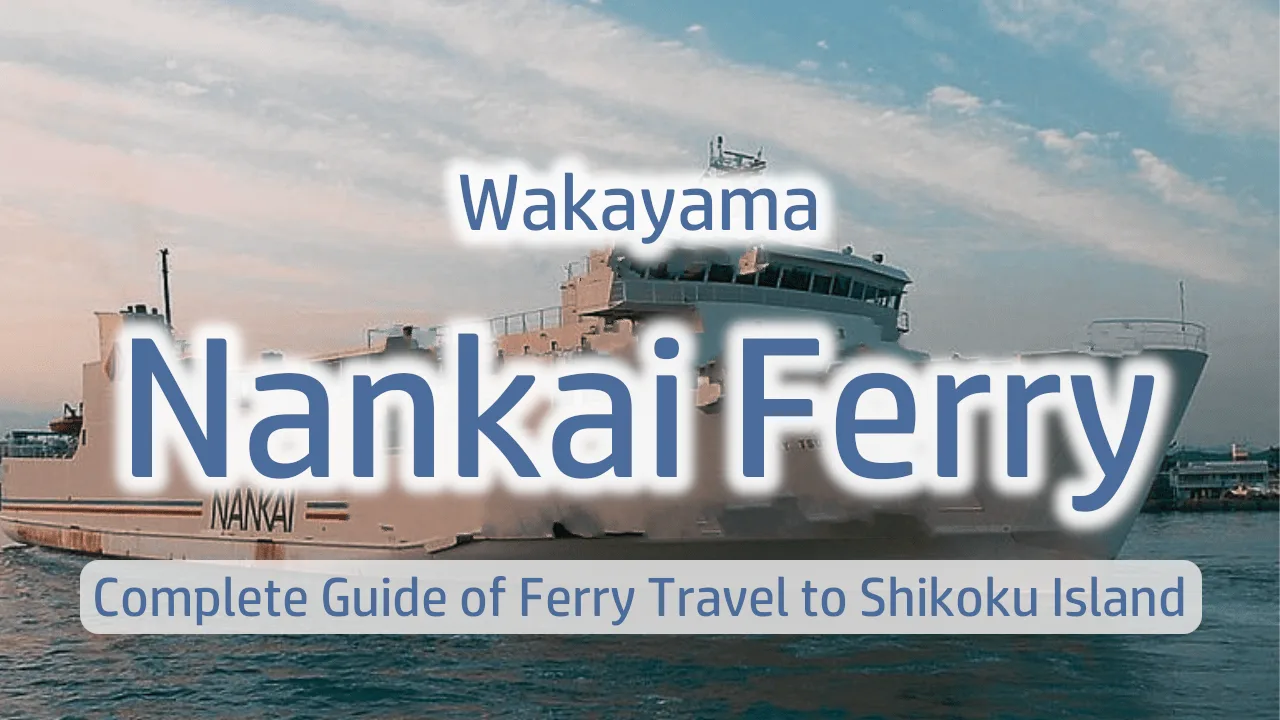
Nankai Ferry connects Wakayama Port in Wakayama City with Tokushima Port in Tokushima City in approximately 2 hours and 15 minutes. Operating as a car ferry service, vessels accommodate passenger vehicles, motorcycles, and bicycles.
Combined daily departures across both directions total a substantial 16 sailings, covering time slots from early morning through late evening. The operational reliability rate exceeding 99 percent ensures almost certain on-schedule operations except during special weather conditions like typhoons.
Integration with Nankai Electric Railway
Wakayama Port connects directly with Nankai Electric Railway’s Wakayama Port Station, enabling smooth transfers between train and ship. Access from Osaka Namba Station takes approximately 60 minutes, while Kansai International Airport connects in roughly 40 minutes, creating highly convenient transportation networks for Kansai region users.
At Tokushima Port ticket offices, “Sukippu” combination tickets bundling ferry boarding and Nankai Electric Railway tickets are sold, offering economical options for traveling from Tokushima via Wakayama Port Station to all Nankai Electric Railway stations.
Comprehensive Onboard Facilities and Services
Nankai Ferry’s appeal extends beyond mere transportation, providing comfortable environments that make the sea voyage itself enjoyable.
Open Spaces and Diverse Seating Options
Ship interiors feature reclining seats where passengers can relax comfortably while traveling. Carpeted spaces also accommodate lying down and resting. For families with small children, spacious ship interiors allowing free movement provide significant advantages.
Stepping onto decks reveals 360-degree panoramic views of the majestic Kii Channel seascape. On clear days, visibility extends to Awaji Island and Shikoku’s mountains, with sea breezes creating refreshing experiences impossible on highways.
Onboard Service Facilities
Vending machines onboard sell light cup noodles and beverages, convenient when hunger strikes during voyages.
Business corners also come fully equipped, enabling business travelers to utilize travel time for work. On on Ferry I, Wi-Fi environments support email correspondence and document preparation, allowing effective use of approximately 2 hours without waste.
Green Seat Services
For those seeking enhanced comfort, Green Seat utilization is recommended. Green Seats require additional fees, providing spacious, quiet separate-floor accommodations and facilities distinct from general seating.
Operating Schedules and Journey Duration
Sailing Times and Frequency
Nankai Ferry operates from early morning through late evening, allowing passengers to select sailings matching their schedules. Each direction provides 8 daily departures at approximately 2-to-3-hour intervals.
First departures begin in the 2:00 AM hour, with final sailings scheduled until the 9:00 PM hour.
Journey Duration and Punctuality
The crossing between Wakayama Port and Tokushima Port takes approximately 2 hours and 15 minutes. As maritime service, rough weather or high waves may occasionally cause slight delays, but operational rates exceeding 99 percent demonstrate remarkably stable performance.
Compared with highway travel, immunity from congestion enables accurate arrival time predictions. Even for business meetings or important appointments, passengers can rely confidently on ferry schedules.
Making the Most of Your Onboard Experience
Here are suggestions for spending approximately 2 hours and 15 minutes of voyage time meaningfully.
Ocean View Appreciation from Decks
On fine weather days, definitely step onto decks to enjoy Kii Channel scenery. Time spent feeling sea breezes while gazing at horizons helps forget daily hustle and bustle. Morning sailings offer sunrise views, while evening departures provide sunset observations from the sea—special experiences indeed.
Rest and Relaxation
Carpeted spaces accommodate lying down and resting, ideal for recovering from long-distance travel fatigue. Spending time relaxed in reclining seats or enjoying music and videos creates personal relaxation time.
Light Refreshments and Drinks
Vending machines sell cup noodles and beverages. Time spent watching the sea while holding ice cream or coffee represents ferry travel’s unique luxury.
Business Work Sessions
Utilizing Wi-Fi environments and business corners (available only on Ferry I) transforms travel time into work time. Preparing for post-arrival activities through email responses and document preparation proves effective. Note: Ferry Katsuragi lacks Wi-Fi environment.
Important Boarding Procedures
Check-in Procedures
Boarding procedures close 15 minutes before departure, requiring arrival with sufficient time margin. Particularly for vehicle boarding, procedures and vehicle guidance consume time, making arrival of at least 30 minutes before departure is advised.
Accommodations for Wheelchair Users
Some sailings lack onboard elevators, so wheelchair users must notify crew members before boarding. Arrangements can be made for guidance to passenger cabins using terminal building elevators.
Pet Travel Rules
Pets must remain in cages or baskets, never removed inside terminals or aboard ships. This rule requires strict observance as consideration for passengers uncomfortable with animals.
Vehicle Deck Restrictions
During voyages, access to vehicle deck parking spaces is restricted. Bring valuables and needed items to passenger areas beforehand. Since checking on pets left in vehicles proves impossible, pets must accompany passengers in cages to passenger areas.
Vehicle and Motorcycle Travel Guide
Advantages of Private Vehicle Travel
Nankai Ferry operates as a car ferry, enabling vehicle transport. Moving with vehicles allows organizing a stress free sightseeing routes immediately upon destination arrival, establishing flexible travel plans unconstrained by public transportation schedules.
For those planning long-distance driving, the ability to rest bodies during approximately 2-hour voyages provides significant advantages. Mitigating driving fatigue preserves physical capacity for concentrating on destination activities.
Vehicle Loading Considerations
Vehicle fees are determined by vehicle length, making advance confirmation of vehicle size important. For large vehicles like campers or trailers, advance telephone inquiries are recommended.
During boarding, park in designated positions following crew instructions. When boarding via vehicle deck, disembarkation also occurs via vehicle deck, so wheelchair users or those with physical limitations should notify crew before boarding to receive guidance using terminal building elevators.
Motorcycle and Bicycle Travel
Nankai Ferry also suits motorcycle touring trips ideally. Fees follow displacement-based pricing, with separate passenger fares required.
For bicycles, folding or disassembled types packed in dedicated transport bags (rinko bags) can be brought aboard for free. Loading in riding condition applies special baggage fees.
Fare Structure (Revised October 1, 2025)
Nankai Ferry fares vary by boarding method, vehicle presence, and season. The fare system underwent revision effective October 1, 2025.
Passenger Fares (Walk-on Boarding)
| Category | Regular Period | Peak Period | Web Reservation Discount |
|---|---|---|---|
| Adult (One Way) | 2,500 yen | 2,500 yen | Available |
| Child (One Way) | 1,250 yen | 1,250 yen | Available |
Fuel surcharge: 0 yen as of October 1, 2025
Child fares apply to elementary school students
Preschool children travel free (child fare required if occupying seat)
Vehicle Transport Fees (Including One Driver)
| Vehicle Size | Regular Period | Peak Period | Fuel Surcharge | Web Reservation Discount |
|---|---|---|---|---|
| Light vehicles | 9,400 yen | 10,400 yen | 2,000 yen | Available |
| Standard passenger cars | 11,400 yen | 12,400 yen | 2,000 yen | Available |
| Under 6m | 13,200 yen | 13,200 yen | 2,000 yen | None |
Fees calculated per meter of vehicle length
Vehicle transport includes one driver’s passenger fare
Additional passengers pay separate adult or child passenger fares
5% discount for return journey within 14 days (requires presenting outbound ticket stub)
Motorcycle and Bicycle Fees (Passenger Fare Separate)
| Category | Regular Period | Peak Period | Fuel Surcharge | Web Reservation Discount |
|---|---|---|---|---|
| Bicycle | 1,600 yen | 2,100 yen | 1,000 yen | None |
| 125cc or less | 2,200 yen | 2,700 yen | 1,000 yen | None |
| Over 125cc | 3,400 yen | 3,900 yen | 1,000 yen | None |
Motorcycle/bicycle fees exclude passenger fares; separate adult or child passenger fare required
Disassembled or folded bicycles in dedicated bags (rinko bags) travel free as carry-on luggage
Green Seat Upgrade Fees
| Category | Web Reservation Purchase | Same-Day Onboard Purchase |
|---|---|---|
| Regular Period | 500 yen | 1,000 yen |
| Peak Period | 1,000 yen | 1,000 yen |
Pricing applies equally to adults, children, and disability discount recipients
Peak Period Designations
Peak periods encompass year-end/New Year holidays (December 29-31), Golden Week, and Obon periods. Specific dates can be confirmed on the official website.
Pet Travel Policy Changes
Effective October 1, 2025, bringing pets into passenger cabins became free. However, pets must remain in cages or baskets, never removed inside terminals or aboard ships.
Economical Usage Methods and Campaign Information
Nankai Ferry periodically implements discount tickets through Nankai Electric Railway partnerships and discount campaigns with accommodation facilities.
Web Reservation Benefits
Nankai Ferry supports web reservations, enabling smooth boarding through advance booking. Web reservation discounts apply to passenger fares, offering cheaper boarding than counter purchases. Even reservations up to 3 hours before departure receive discounts—a significant advantage.
Web reservation payments earn 1 point per 100 yen spent. Accumulated points apply as 1 point = 1 yen toward next payments, creating advantageous systems for regular users.
Round-Trip Discounts
For round-trip usage, purchasing return journey tickets within 14 days including outbound boarding dates receives 5% return fare discounts. This discount applies during peak periods but requires presenting outbound ticket stubs, so careful preservation proves necessary.
Accommodation Partnership Discounts
Nankai Ferry periodically runs promotional campaigns with partnered accommodation facilities. Travelers planning overnight trips in Wakayama or Tokushima city can check partnered facilities which may offer discounted sailings with stays.
Weather-Related Operational Decisions
Cancellation Criteria
Cancellations may occur when safe navigation becomes difficult during typhoon approaches or high wave warnings. Cancellation decisions are made several hours before departure, with announcements via official websites and telephone.
Cancellation Refunds
Cancelled sailings result in full refunds of purchased tickets. Web reservations can be refunded online, while counter purchases require presenting tickets, necessitating procedures at Nankai Ferry ticket office.
Accessing Ferry Terminals
Wakayama Port Ferry Terminal
Wakayama Port sits on Wakayama City’s western side facing Wakayama Bay. Located approximately 20 minutes by car from Wakayama Interchange, access proves convenient.
When using trains, utilize Wakayama Port Station on the Nankai Electric Railway branch line. From Nankai Main Line’s Osaka Namba Station, several direct trains operate daily, though most cases require transfers at Wakayama-shi Station, the Nankai Main Line terminus. The station connects directly to the ferry terminal, making pedestrian movement very smooth.
Terminal interiors feature waiting rooms and shops where departure time can be spent comfortably. For vehicle boarding, wait in parking spaces before the business office, then move to boarding gates following crew instructions as boarding time approaches.
Tokushima Port Ferry Terminal
Tokushima Port sits in eastern Tokushima City, approximately 10 minutes by car from Tokushima Station. Access from Tokushima Interchange takes about 15 minutes.
Tokushima Port provides free parking, enabling car access even for walk-on boarding passengers. Shops are present though restaurants are absent.
For vehicle boarding, drive-through window systems enable ticket purchases while remaining seated, ensuring smooth procedures. Tokushima Port’s official mascot character “Awano Mai” dressed in Awa Odori attire welcomes passengers—a popular Tokushima-flavored presentation.
Access from Regions Beyond Wakayama and Tokushima
Access from Osaka and the Kansai Region
When accessing Wakayama Port from the Kansai region, utilizing Nankai Electric Railway proves most convenient. From Osaka Namba Station, arrivals at Wakayama Port Station take approximately 60 minutes with smooth ferry connections.
For private vehicles, use the Hanwa Expressway, exit at Wakayama Interchange, and reach Wakayama Port in approximately 20 minutes via Route 42.
Access from Tokyo Area
Using shinkansen, travel from Tokyo Station to Shin-Osaka Station takes approximately 2.5 hours, then move to Wakayama Station via Nankai Electric Railway , transfer to Nankai Wakayama Port Line for Wakayama Port.
Using airplanes, fly from Haneda Airport to Kansai International Airport in approximately 70 minutes, then Nankai Electric Railway reaches Wakayama Port Station in roughly 40 minutes. For emphasizing time efficiency, this air + rail combination proves most convenient.
Access from Kyushu Region
No direct ferry routes currently operate between Wakayama Port nor Tokushima Port to and from Kyushu destinations. Travelers seeking ferry access from Kyushu to Wakayama can utilize routes to Izumiotsu Port in southern Osaka, Osaka Port, or Kobe Port, then travel overland to Wakayama.
Hankyu Ferry operates daily services from Izumiotsu Port in Southern Osaka and Kobe Port to Shin-Moji Port in Kitakyushu. Izumiotsu Port sits along the Nankai Main Line between Kansai International Airport and central Osaka. Free shuttle buses run from the nearest station, Izumiotsu Station, timed to ferry departures and arrivals, providing exceptional convenience.
Meimon Taiyō Ferry operates two daily sailings from Osaka South Port to Shin-Moji Port in Kitakyushu. While Osaka South Port sits within Osaka City and connects via Osaka Metro, beware that reaching the port requires multiple transfers even from central Osaka locations, consuming more time than expected.
Ferry Sunflower operates routes from Osaka Port to Beppu Port in Oita Prefecture and Shibushi Port in Kagoshima Prefecture. Kobe Port also offers routes to Oita Port.
Seasonal Ferry Travel Appeal
Spring Voyages
Spring’s mild climate and relatively calm seas create ideal conditions for deck time. Many tourists visit Wakayama’s cherry blossom viewing locations like Wakayama Castle and Wakanoura district, with routes combining ferry usage and cherry blossom enjoyment proving popular.
Summer Voyages
Summer’s pleasant sea breezes make deck cooling exceptionally comfortable. Families visiting Wakayama Marina City’s water slides and Wakanoura beaches increase. As peak season rates apply, early reservations are recommended.
Autumn Voyages
Autumn’s clear air enables distant views on many days, making Kii Channel scenery especially beautiful. Comfortable temperatures make deck time pleasant. Combined trips viewing autumn foliage around Wakayama Castle prove popular during this season.
Winter Voyages
Winter enables warm indoor passage regardless of outdoor temperatures. Clear air provides exceptionally visible scenery, with sunset sea colors earning particular praise. Year-end/New Year periods bring peak season rates and heavy passenger traffic as people travel for New Year celebrations, requiring early reservations for those returning home.
Former Long-Distance Ferry Routes from Wakayama Prefecture
Tokyo-Nachikatsuura-Kochi Route (Discontinued)
A long-distance ferry route once connected Nachikatsuura Port in Wakayama Prefecture with Tokyo, operated by Blue Highway Line. The “Tokyo-Nachikatsuura-Kochi Route” began operations in 1973, with vessels including “Sunflower 5,” “Sunflower 8 (later Sunflower Tosa),” and “Sunflower Kuroshio.”
During the 1990s, Japan Coastal Ferry then Blue Highway Line operated this important maritime corridor connecting Tokyo with the southern Kii Peninsula and Shikoku. However, expanded expressway networks and increased air service reduced ridership. Annual losses of 500-600 million yen continued despite support from Kochi and Wakayama prefectures, leading to route discontinuation at the end of September 2001.
This route served Tokyo-to-southern Kii Peninsula and Shikoku travelers for many years, but no replacement direct ferry route currently exists.
Recommended Tourist Spots Near Wakayama Port
After arriving in Wakayama by ferry, numerous attractive tourist destinations await nearby.
Saigazaki Lighthouse
Near Wakayama Port, Saigazaki Lighthouse sits at the Setonaikai National Park entrance, offering panoramic Kii Channel views. This active lighthouse welcomes visitors to its observation platform while fulfilling vessel navigation support roles.
Sunset views prove particularly beautiful as the sun descends into the sea. The site forms part of the “Japan Heritage: Treasury of Spectacular Views—Wakanoura” designation. Clear weather allows views extending to Awaji Island and Shikoku’s mountains, popular with photographers.
| Details | Information |
|---|---|
| Address | 809-2 Saigazaki, Wakayama City, Wakayama Prefecture |
| Phone | 073-435-1234 |
| Access | Approx. 15 minutes by car from Wakayama Port |
Wakayama Castle
Wakayama City’s iconic castle features a tower keep atop Mount Torafusu. As the former Kishu Tokugawa family residence, the castle interior preserves numerous valuable exhibits.
The Ohashi Roka covered bridge corridor faithfully recreates the original structure’s distinctive slanted construction. Castle grounds include a small zoo and tea ceremony facilities, offering diverse attractions beyond historical interest.
Seasonal beauty includes cherry blossoms and autumn foliage, with ninja entertainment events delighting visitors of all ages.
| Details | Information |
|---|---|
| Address | 3 Ichibancho, Wakayama City, Wakayama Prefecture |
| Phone | 073-435-1044 |
| Access | Approx. 20 minutes by car from Wakayama Port |
Wakayama Marina City
This waterfront resort complex on Wakayama Bay combines theme parks, hot springs, hotels, restaurants, and shopping facilities into a comprehensive entertainment destination.
Porto Europa Theme Park
Porto Europa within Wakayama Marina City recreates medieval European streetscapes, providing photogenic environments. Attractions include large Ferris wheels, roller coasters, and carousels suitable for all ages. Summer-limited water slides offer aquatic fun.
Animal interaction areas allow close encounters with capybaras, rabbits, and various other creatures, proving especially popular with children.
Kuroshio Market
This seafood market facility features famous tuna cutting demonstrations. Purchased seafood can be immediately grilled and consumed, allowing enjoyment of ultra-fresh flavors.
Wakayama specialty products and souvenirs fill the market, making it ideal for travel memento shopping.
| Details | Information |
|---|---|
| Address | 1527 Kemi, Wakayama City, Wakayama Prefecture |
| Phone | 0570-064-358 |
| Access | Approx. 10 minutes by car from Wakayama Port |
Tomogashima Island (via Kada Port Tourist Boat)
About 30 minutes by car from Wakayama Port sits Kada Port, where Tomogashima Kisen tourist boats depart for the uninhabited Tomogashima Islands. These islands in the Kitan Strait, particularly Okinoshima, attract visitors with nostalgic atmospheres created by former Japanese military battery installations.
Tomogashima’s Appeal
World War II-era military facility ruins dot the island, with abandoned batteries and tunnels creating distinctive atmospheres. Resemblances to the Studio Ghibli film “Castle in the Sky” (Laputa) earned the nickname “Laputa Island,” drawing increased tourist attention in recent years.
Hiking trails traverse the island, allowing nature walks combined with historical ruin exploration. Observatory platforms offer spectacular Kitan Strait views, with clear weather enabling views to Awaji Island and Shikoku.
Tomogashima Kisen Operating Information
| Details | Information |
|---|---|
| Journey Time | Approx. 20 minutes from Kada Port to Okinoshima |
| Daily Service | 4 round trips (normal periods), increased during busy seasons |
| Closed Days | Wednesdays (operates during busy seasons) |
| Winter Service | Weekends/holidays only January-February |
| Round Trip Fare | Adults approx. 2,000 yen, Children approx. 1,000 yen |
Weather conditions may cause cancellations; advance service verification recommended
Tomogashima Visit Considerations
As an uninhabited island, bringing beverages and light meals proves advisable. Island exploration requires comfortable walking shoes, with summer visits necessitating hats and sunscreen due to strong sun exposure.
| Details | Information |
|---|---|
| Kada Port Address | Kada, Wakayama City, Wakayama Prefecture |
| Access (Car) | Approx. 30 minutes by car from Wakayama Port |
| Access (Train) | Nankai Kada Line “Kada Station” 15-minute walk |
Professional Travel Management for Your Japan Journey
Planning travel in Japan, especially navigating regional transportation and optimizing complex itineraries, can overwhelm even experienced travelers. Language barriers, reservation systems designed for Japanese speakers, and efficiently connecting destinations require local knowledge and expertise.
Professional tour conductor services eliminate these challenges by managing your travel itinerary while you focus on enjoying your journey. Rather than spending vacation time deciphering timetables, making reservations, or worrying about missing connections, you can rely on expert itinerary management ensuring smooth transitions between destinations.
If you want to experience Japan’s regional diversity without the stress of managing complex travel arrangements yourself, consider exploring dedicated tour conductor services that provide personalized itinerary management throughout your journey. Professional tour conductors handle all travel logistics including reservations, coordinate transportation timing, provide interpretation assistance during shopping or service arrangements, manage package shipping, communicate with service providers in Japanese, and solve unexpected problems before they impact your trip—allowing you to experience Japan’s remarkable destinations with confidence and ease.
Conclusion: Comfortable Maritime Travel Between Wakayama and Tokushima
Nankai Ferry connecting Wakayama Port and Tokushima Port provides maritime transportation offering openness and comfort unavailable on highways. The approximately 2 hours and 15 minutes crossing time transcends mere transit, becoming valuable time for refreshing ocean views and relaxation.
High operational reliability, vehicle transport convenience, comprehensive onboard facilities, and reasonable pricing attract diverse passengers from tourists to business travelers to homecoming families.
Web reservation discounts, points systems, and accommodation partnership campaigns provide economical travel opportunities through strategic planning.
For those considering travel between Wakayama and Tokushima, escaping highway congestion stress while enjoying comfortable sea breeze movement via Nankai Ferry merits serious consideration. Verify current sailing schedules and make advance online reservations to ensure smooth maritime journeys.