


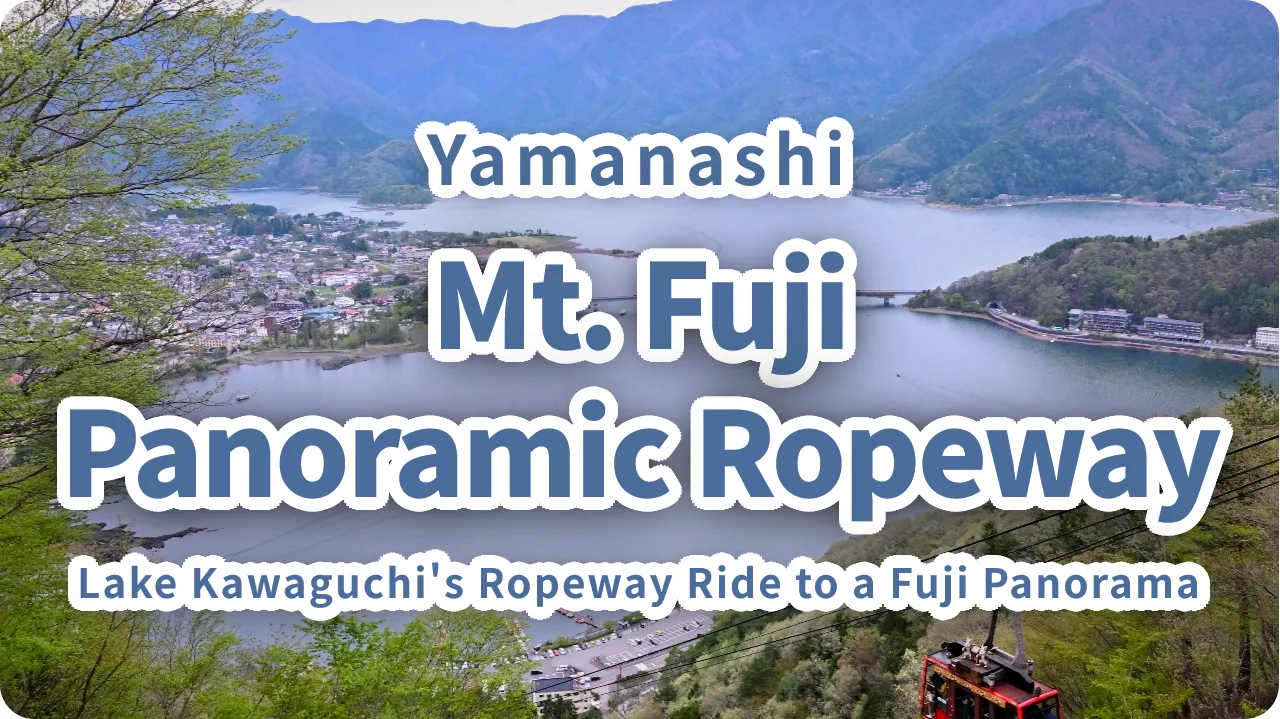
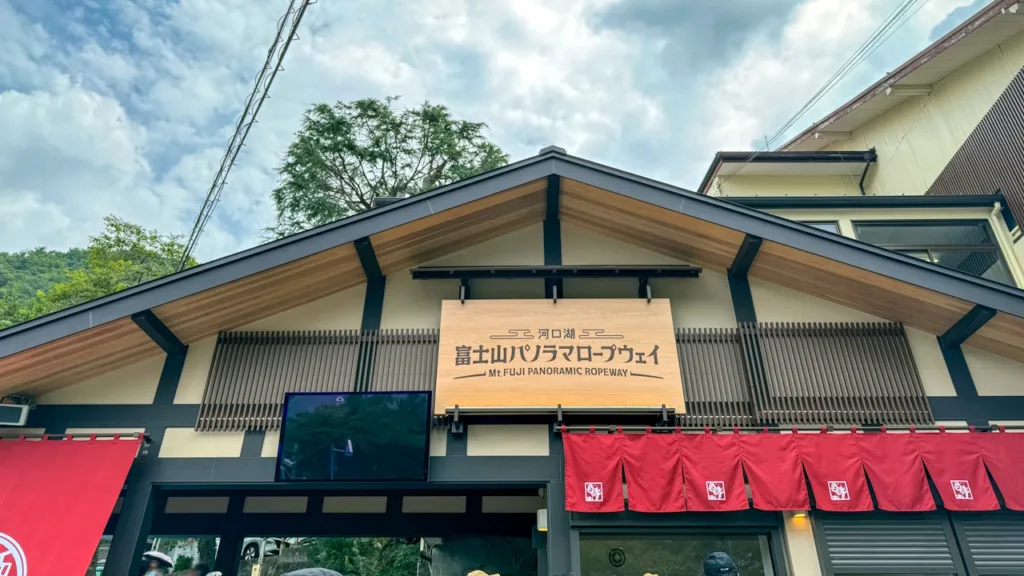
Travel insights from a tour conductor — today’s destination: the Mt. Fuji Panoramic Ropeway (~Kawaguchiko~ Fuji-san Panorama Ropeway) in Fujikawaguchiko, Yamanashi Prefecture. You may still see its older name, Kawaguchiko Tenjosan Park Kachi-Kachi Yama Ropeway, on signs and maps. It’s the same lift.
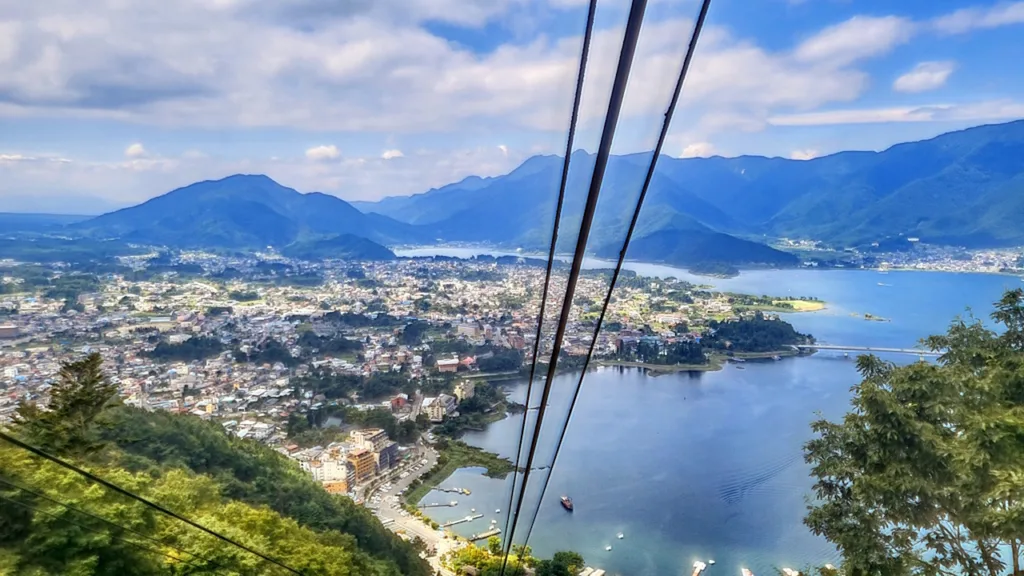
Three minutes. That’s all it takes for the gondola to carry you from Kawaguchiko Lake Station at 856 m up to Fujimidai Station at 1,075 m. At the top, Mt. Fuji fills the view ahead while Lake Kawaguchi spreads out below. On a clear day, the Southern Alps (Akaishi-dake and Arakawa-dake) show up on the horizon too.
| Item | Details |
|---|---|
| Name | ~Kawaguchiko~ Mt. Fuji Panoramic Ropeway (also known as Kachi-Kachi Yama Ropeway) |
| Hours | March to November: 9:00 to 17:00 (last descent 17:20). December to February: 9:30 to 16:30 (last descent 16:50) |
| Closed | Open year-round (service can be suspended in strong wind or thunderstorms) |
| Address | 1163-1 Azagawa, Fujikawaguchiko-machi, Minamitsuru-gun, Yamanashi |
| Access | About 15 minutes on foot from Kawaguchiko Station, or about 10 minutes by Kawaguchiko Sightseeing Bus to the ropeway entrance stop |
The gondolas take wheelchair users, and guide, hearing and service dogs can ride along too. A prefectural parking lot near the station handles drivers.
What to Know Before You Go
Mt. Tenjo stands alone beside the lake, so the weather calls the shots. Strong gusts, lightning and hail can halt the ropeway with no warning, and riders may have to walk down the mountain trail instead. Summer afternoons are the riskiest, since sudden downpours and thunderstorms roll in fast.
Walking up is possible, but it takes about 30 minutes, which is why most visitors take the gondola. That same trail doubles as the fallback route when the lift stops.
Bear sightings have also climbed across the Fuji foothills in recent years. If you plan to wander the paths around the summit, check the latest local reports first.
Then there are the queues. Weekends, holidays and summer vacation produce lines in both directions, and the ride down is often the longer wait. Timed tickets exist that let you skip the general line on the descent, which can save a surprising amount of time on busy days.
The Legend of Kachi-Kachi Yama
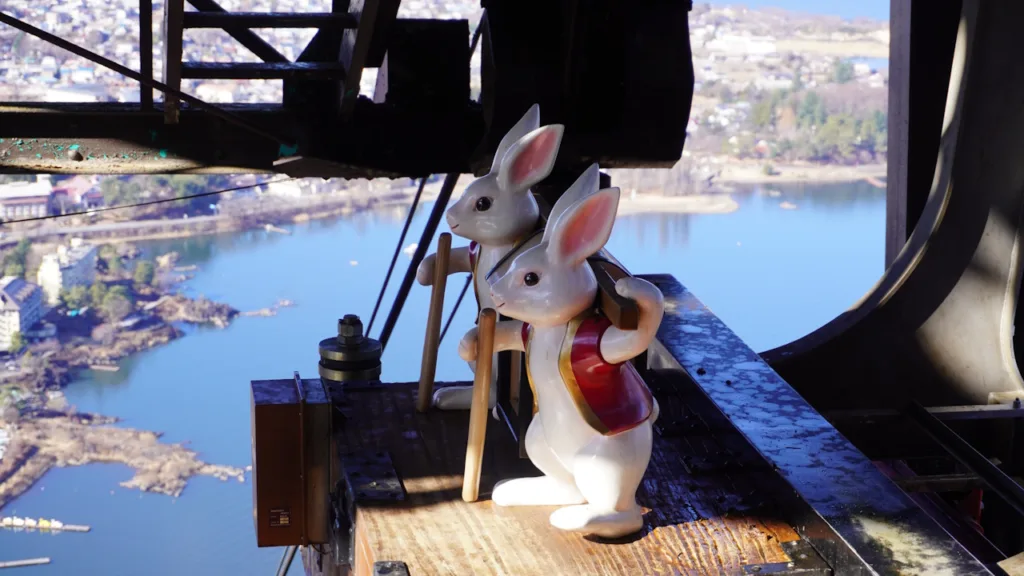
Mt. Tenjo goes by a nickname that’s far better known than its real name: Kachi-Kachi Yama. The label comes from a classic Japanese folktale about a scheming tanuki (raccoon dog) and the clever rabbit who outwits him. Writer Osamu Dazai retold it in his collection Otogi-zoshi, and this mountain is widely regarded as the setting. That’s why tanuki and rabbit figures turn up on the gondola roofs, around the lookout and all over the summit.
The current gondolas are the third generation, introduced in April 2015. Their design draws on the “Fuji-san moude kago,” the palanquins pilgrims once rode on the way to worship Mt. Fuji. Rabbit and tanuki statues carry a palanquin on each roof. The previous gondolas wore different paint jobs, one inspired by the fire in the tale and one by the mud boat, and some of their mascot figures still stand near the boarding area.
Halfway up the mountain, at a flat spot called Nakabadaira, a literary monument carries a line from Dazai’s story: “Is it so wrong to fall for someone?” Hikers pass it on the way up. The gap between the two stations is roughly 210 m in elevation, and the ropeway covers it in about three minutes.
The View From Fujimidai Station
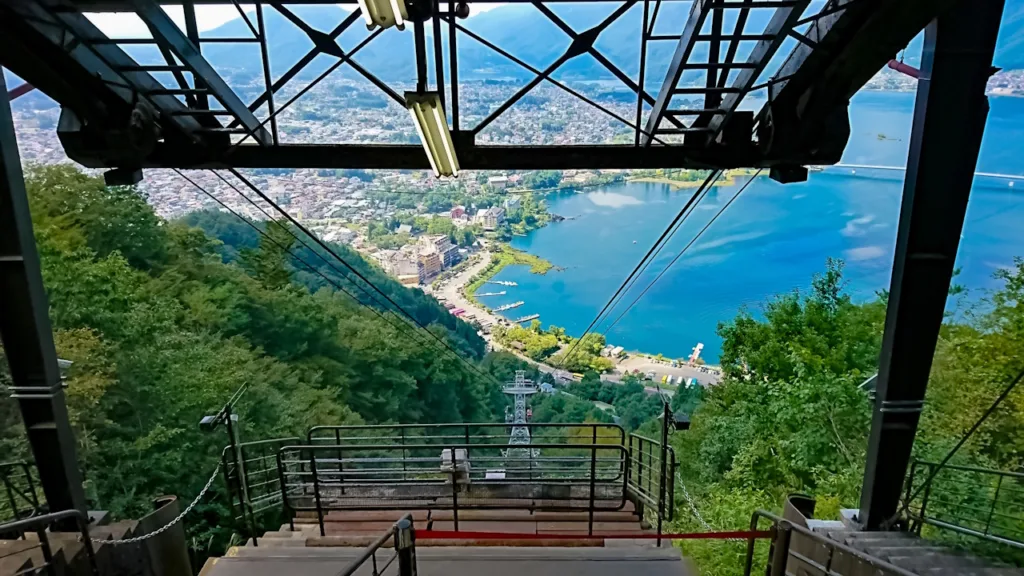
Step onto the observation deck and you get Mt. Fuji dead ahead and Lake Kawaguchi directly below. The view runs a full 360 degrees, so every direction frames the mountain and the lake a little differently. Winter air is the clearest, which is when the Southern Alps most often join the scene. Light shifts through the day as well, so a morning and an evening visit can feel like two different places.
What’s at the Summit
The Scenic Swing and Lookout Tower
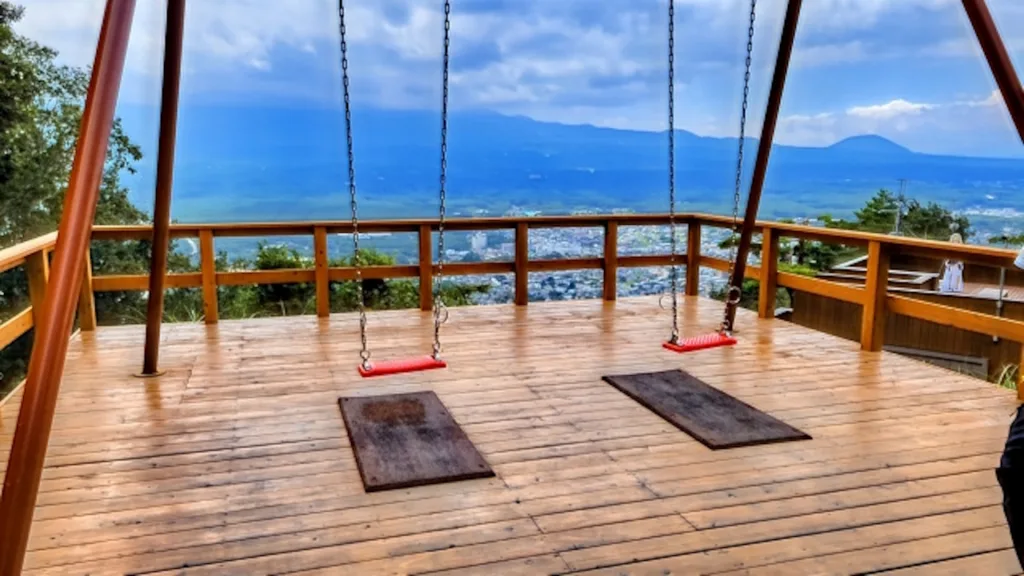
A swing set faces Mt. Fuji head-on, with the seat rising about 3.5 m at the top of the arc. Nearby, a lookout tower lifts you a little higher for a wider view. Both usually run from around 9:30 to 16:00, though rain or wind can close them.
The Heart-Shaped Bell
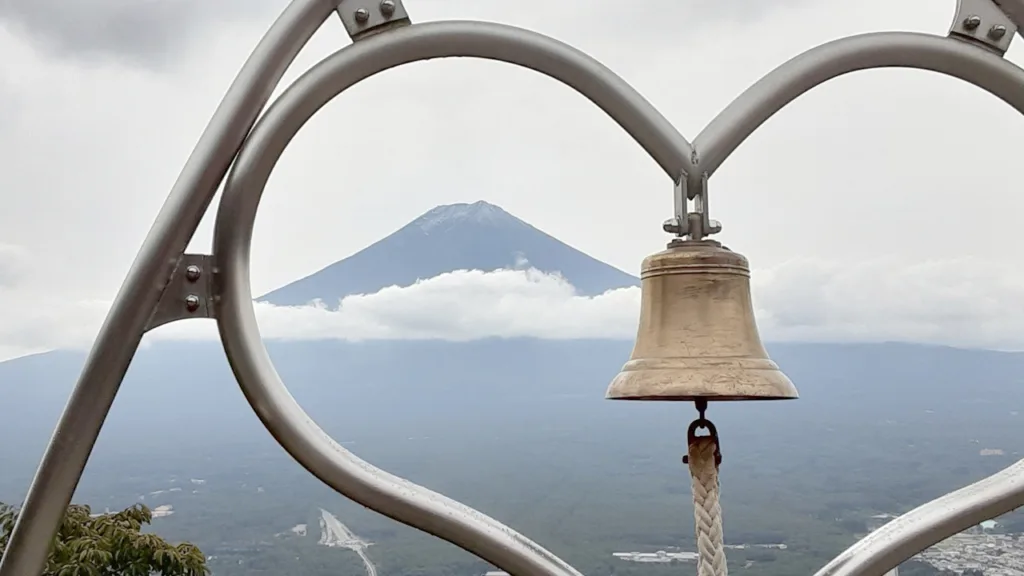
The heart-shaped “Bell of Heaven” stands directly opposite Mt. Fuji and has become the summit’s favorite photo spot. Couples and families line up to frame the mountain behind it. On clear days, Fuji’s lower slopes sit crisply behind the bell, and the snowcap changes with the season, so no two shots look quite alike.
New: The Blessings Plaza and Scenic Staircase
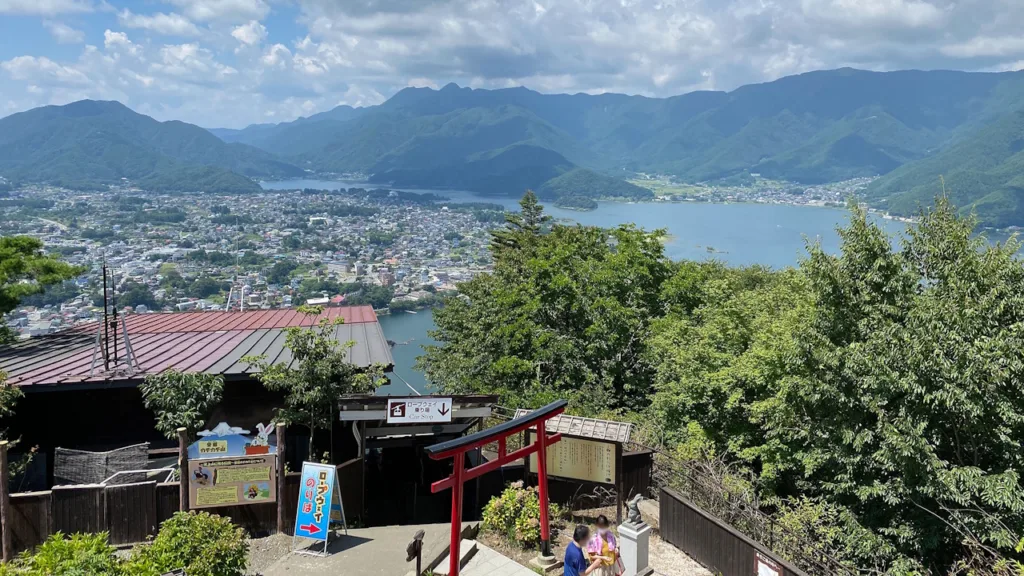
On July 16, 2026, two new attractions opened on the summit area, which sits at roughly 1,090 m. The Blessings Plaza (Goriyaku Hiroba) is built around good-luck rituals. It includes a small shrine to the rabbit deity, a kawarake-nage spot where you toss a clay disc to ward off bad luck, vending machines for votive plaques and charms, and a game where you “fish” for fortune slips with a rod. A 35-step Scenic Staircase (Zekkei Tenbo Kaidan) leads to the plaza. Red torii gates and lanterns line the path, and walking down, you see Mt. Fuji framed through the gates.
Tanuki Chaya and the Seasons
At the summit tea stand, Tanuki Chaya, you can pick up tanuki dango, soft-serve ice cream and hot drinks. A gift shop next door sells classic Yamanashi souvenirs and items made only for this site.
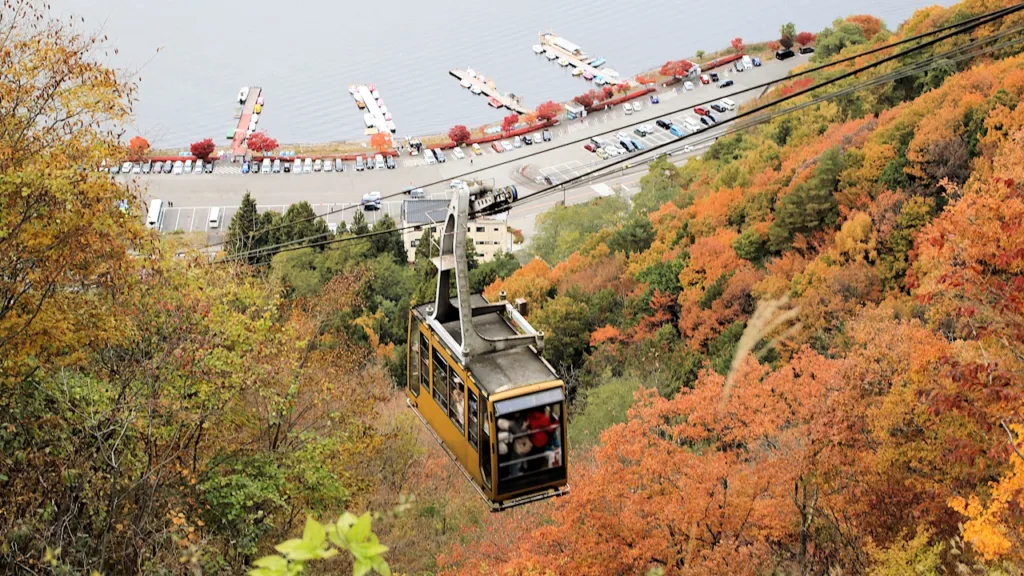
The scenery changes with the calendar. Cherry blossoms bloom from mid to late April, and hydrangeas peak from mid-July to early August, earning the hill a reputation as “Hydrangea Mountain.” Autumn leaves color the slopes from early November to early December, and the gondola windows give you a view of red foliage with the lake behind it.
Seasonal Events Around the Lake
A couple of annual events pair neatly with a ropeway visit. The Lake Kawaguchi Fireworks Festival lights up the lake in early August, and the Kawaguchiko Winter Fireworks run from mid-January to late February. Winter fireworks burst through crisp, clear air, so the show often stands out against the dark foothills of Mt. Fuji. Spring blossoms, summer hydrangeas and autumn color on the mountain offer a different backdrop each season.
Nearby Spots
Kawaguchiko Sightseeing Cruise “Appare”
The cruise boat dock sits right across the road from the ropeway. “Appare” is modeled on the Atakebune warships of the Takeda clan’s navy from Japan’s warring-states era, and its observation deck gives you a 360-degree look at Mt. Fuji and the lake. Pairing it with the ropeway means seeing Lake Kawaguchi from both above and on the water, with very little walking in between.
Yamanashi Prefectural Fuji World Heritage Centre
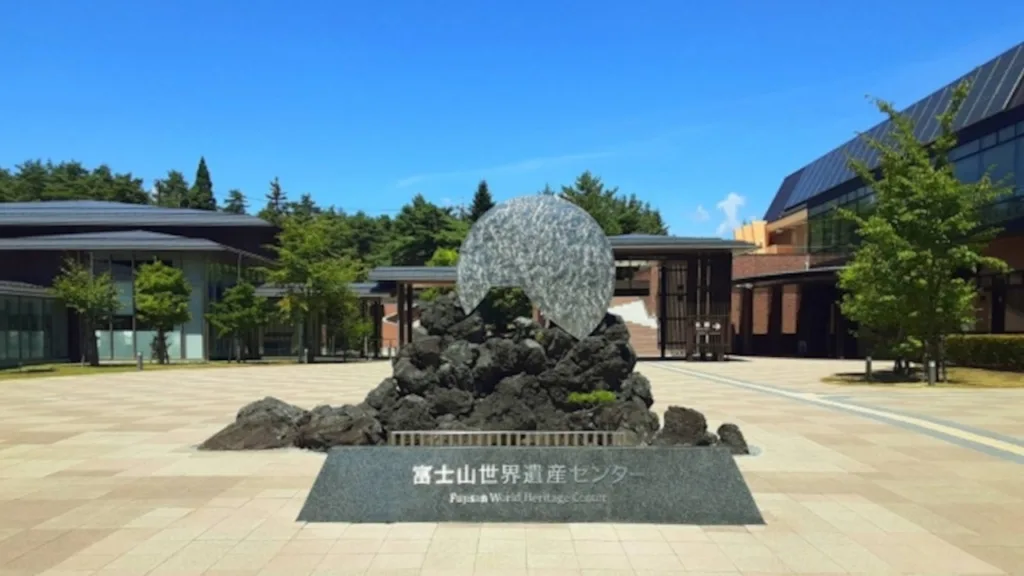
This free museum explains the nature, culture and religious traditions behind Mt. Fuji’s World Heritage status. Its highlight is “Fugaku 360,” a large paper-clad model of the mountain. Many displays come with multilingual guides. After the view from the summit, it fills in how the mountain became such a symbol, and it makes an easy add-on.
Kawaguchiko Station and Honcho-dori
Around the station, Honcho-dori Street and the nearby blocks hold souvenir shops and restaurants. It’s a good place to try hoto, Yamanashi’s hearty miso and noodle stew, or Yoshida udon, a firm-textured local noodle, once you’re back down from the mountain.
Where to Stay Near Lake Kawaguchi
THE KUKUNA
THE KUKUNA stands on the lakeshore in the same Azagawa district as the ropeway. Every room faces Lake Kawaguchi and Mt. Fuji. Rooms in the observation wing come with a private hot-spring terrace, and the top-floor bath is designed as an infinity pool of hot water that seems to melt into the lake.
Highland Resort Hotel & Spa
Fuji-Q Highland’s official hotel offers Mt. Fuji views from its rooms and the Fujiyama Onsen, a hot-spring bath house known for being among the largest all-wood bathing spaces in Japan. The Kawaguchiko Interchange sits only a short drive away along Route 139, which keeps a ropeway trip easy to fit in.
Kozantei Ubuya
Another Azagawa ryokan, Kozantei Ubuya designs every room with a lake and Mt. Fuji view, and the windows in the baths and lounge are placed to keep Fuji in sight. The ryokan is known for celebrating life milestones, so you’ll often see families marking anniversaries and birthdays here, in a calm, traditional setting.
Traveling With a Tour Conductor
Getting to Lake Kawaguchi from Tokyo is easy on paper. In practice, a bus transfer, a station walk and a ropeway queue can eat into a short trip fast. A tour conductor takes that logistics load off your shoulders. The conductor keeps the day’s itinerary on schedule, checks that your group is together at each transfer, and watches the clock so the last descent and the return bus don’t catch anyone off guard.
When a typhoon, strong wind or lightning pauses the ropeway, the tour conductor handles the emergency re-booking of transport and arrangements so the group isn’t left stranded. The conductor also helps with interpretation at ticket counters, restaurants and hotel front desks, which matters when signage and staff are mostly in Japanese. Guiding is a different job, so a tour conductor doesn’t lead sightseeing commentary. What you get instead is a smooth, well-managed trip where the details run quietly in the background.
If you’d like that kind of peace of mind on your own Fuji trip, you can learn more at https://tours.e-stay.jp/.
Conclusion
The Mt. Fuji Panoramic Ropeway turns a three-minute ride into one of the Fuji Five Lakes region’s most memorable views. The summit packs in a lot for such a short climb: a swing aimed straight at Fuji, a heart-shaped bell, tanuki and rabbit characters from a beloved folktale, and the new Blessings Plaza added in July 2026. The scenery swaps from cherry blossoms to hydrangeas to autumn color and snow-streaked peaks, so the mountain looks different almost every time you visit.
The surrounding area adds more to the day. The Appare cruise boat, the Fuji World Heritage Centre and Honcho-dori’s local food stalls all sit within easy reach. For an overnight stay close to the ropeway, THE KUKUNA and Kozantei Ubuya both overlook the lake in the same neighborhood, and each frames Mt. Fuji from the guest rooms.